Top-Quality Grilling, BBQ, Camping, and Meat Recipes for the Home Cook
established in 2013 · 1,000+ Tested Recipes · Millions of Readers & home Cooks
The one thing on the Thanksgiving table you can finish ahead of time, freeze, and stop thinking about. 20 minstovetopmakes 4 cups Salt and time are the difference between a juicy bird and one your guests politely chew. 12 hr brine2 gal water1 cup salt Ground is most of what comes back from the processor, and cold butter in the grind keeps it from going dry. 50 mincharcoal grillfeeds 4 Miso melted into the pan butter gives a Tuesday skillet the savory depth of a long braise. 32 mincast ironfeeds 4 Seven steps in the order you need them, not the order they were published. Six weeks out the job is not cooking, it is deciding. What, how much, and in what order. The shopping list comes with it. Salt it Sunday. No bucket, no cooler, no clearing a shelf for a bird in a bath. The method most people need. Temps, times, and when to tent it. Flat on the grate it cooks in half the time, with crisp skin all the way across. Four to six people and no leftovers nobody wanted. Slow cooker, hands off. Make it Tuesday, bake it Thursday. Sage, sausage and Honeycrisp. Built from the giblets while the bird rests. The part people remember. The frame is worth more than the leftovers. Forty minutes in the Instant Pot. Every cut we have cooked, sorted the way a butcher would. You bought a chuck roast, not a dinner idea. Pick what is in front of you and we will tell you what it wants. Four steps in the order you meet a piece of meat. Start at whichever one is giving you trouble. What the case is selling you, and the cuts behind it that nobody asks for. The five minutes of knife work that decide how the rest of the cook goes. Different cuts want different things. Bone in or out changes the answer. The only number that matters is the one on the thermometer, not the clock. Most people do not ruin a steak because they cannot cook. They ruin it because nobody ever showed them the number. Pull it at the low end of the range: it climbs while it rests. Use an instant-read thermometer through the side into the center, tip surrounded by meat, away from bone, gristle and fat. Not beef? These numbers are for whole-muscle beef. They do not transfer. The USDA safe minimums are 165°F for all poultry, 145°F plus a three minute rest for whole-muscle pork, and 160°F for any ground meat. Kita has run Girl Carnivore since 2013. She learned the supply side from the NCBA, Certified Angus Beef and Meat by Linz, and the fire side cooking for crowds at Smokeslam and the Jack. Every recipe here is cooked, written down and cooked again, by her or by a tester she trained. If a recipe says 203°F, somebody stood there and took that reading. Lamb from Freedom Run Farm. Beef ribs and plate cuts from Porter Road. We name our sources because you should be able to buy what we cooked. Cooked one of these and it did not work? Tell us and we will retest it. You send the question. I go stand at the block until I have the answer. How to thaw a turkey breast two ways: an overnight fridge thaw you can refreeze, and a cold water method… How to truss a chicken two ways, in two minutes or the full classic method, so the legs and wings… Brining works, and the mechanism is not what most people think. What salt does to muscle, the ratio that moves… Recipes we tested this week, one sharp technique, and the gear we reach for. Every question in the column came from a reader. Reply to any email and you get me, not a robot. Steak, roasts, ground and the cheap cuts worth braising. Start with the cut you already have, not the recipe you saw. Shoulder, loin, belly and ribs. Which cuts reward low and slow, and which ones want fast and hot. Whole birds, thighs, wings, and the Thanksgiving turkey everyone is counting on. Temperatures included, because that is where it goes wrong. Leg, shoulder, rack and ground. Start here if you are fairly sure you do not like lamb. Shrimp, salmon, crab and the fish that stops being intimidating the moment you know when to pull it. Somebody in your family fills a freezer every fall and nobody knows what to do with the second half of it. Wild game is lean, it is dark, and it punishes the habits that work on a ribeye. Not a popularity chart. These are the six that teach the most technique per hour you spend on them.This week
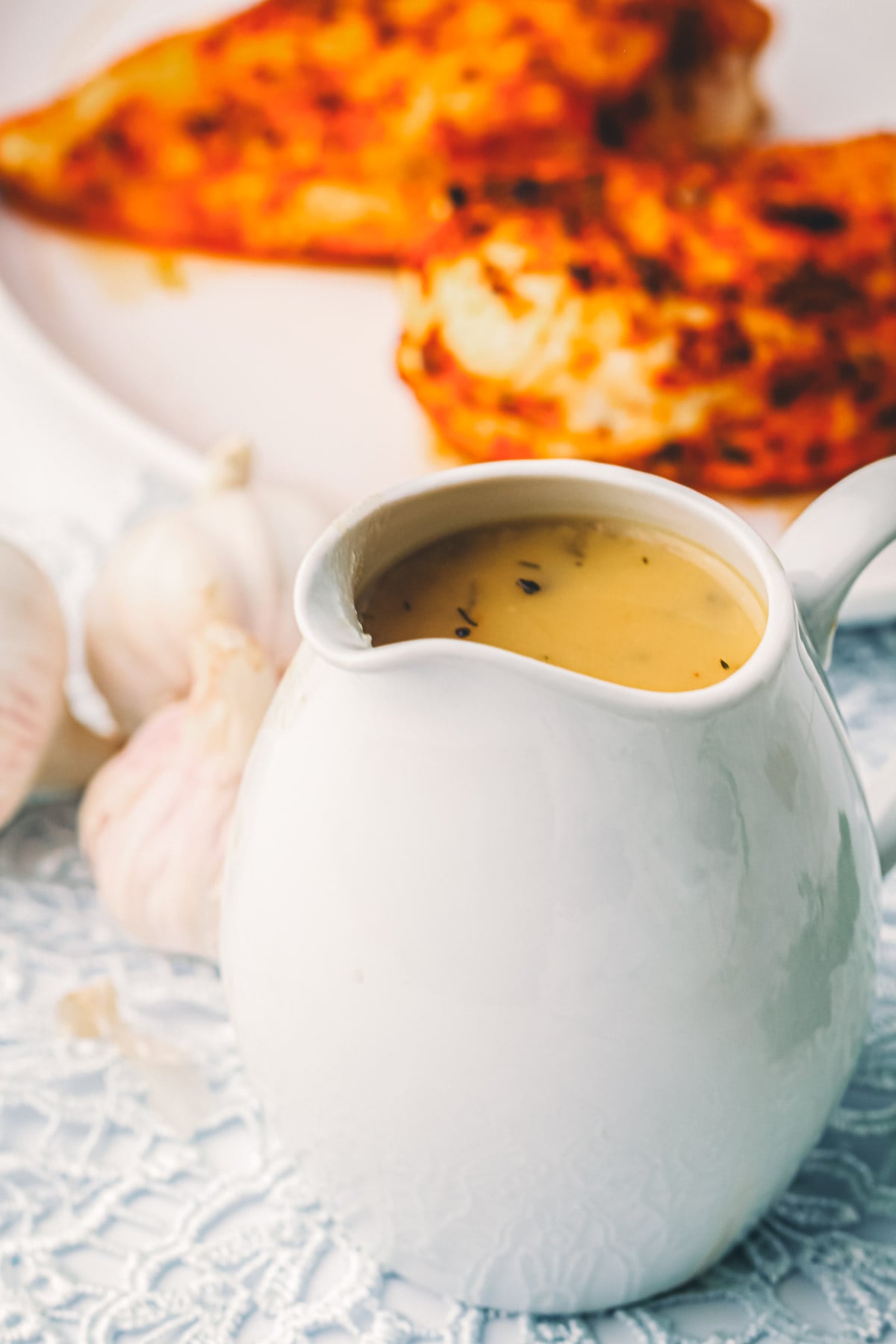
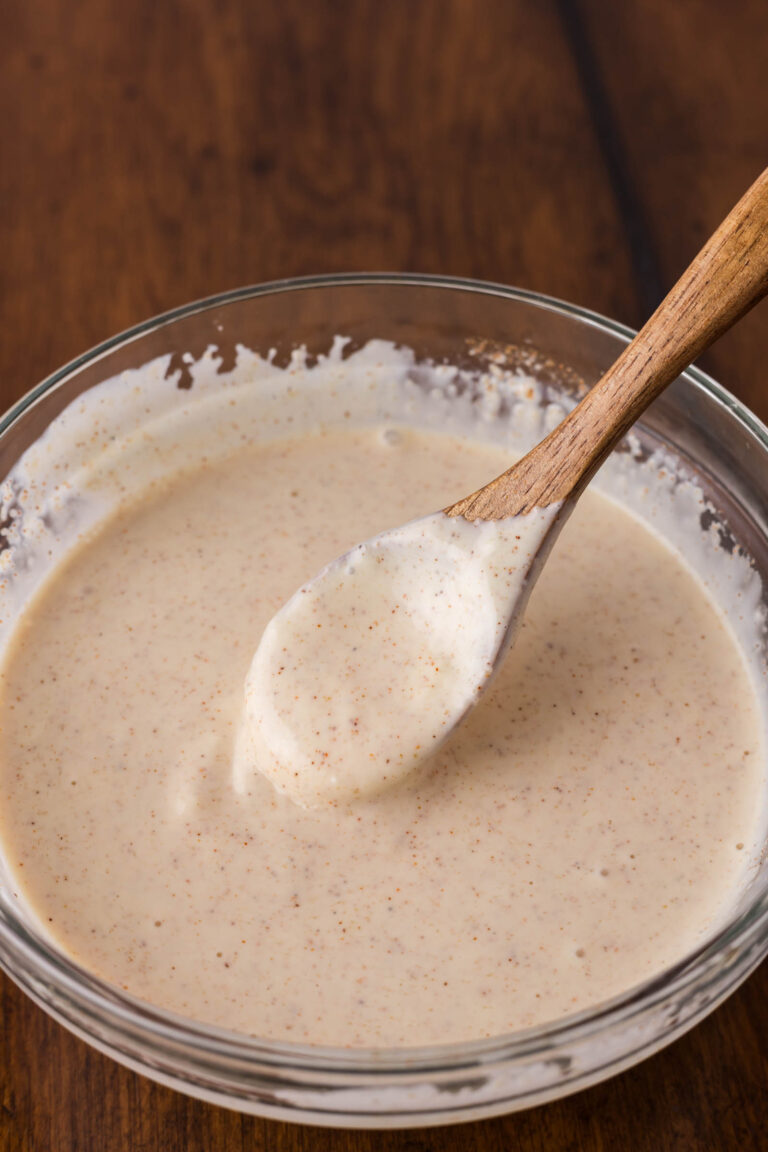
Monday · October 26, 2026Make Ahead Turkey Gravy (No Drippings Needed)
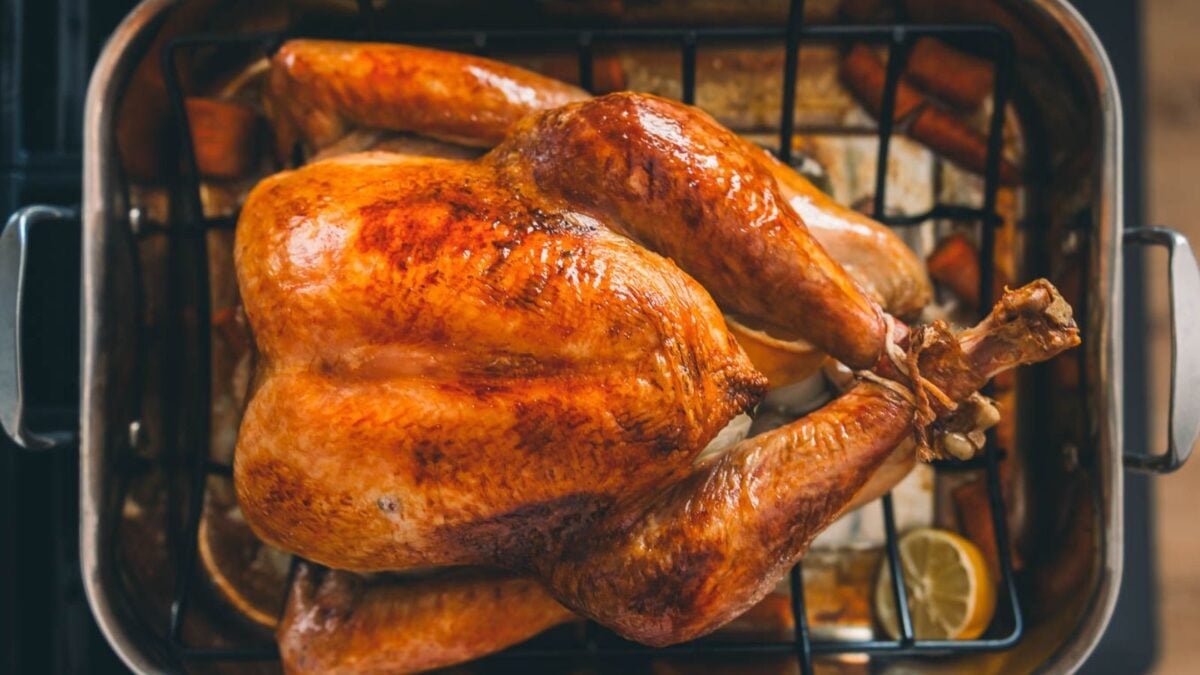
How to Brine a Turkey: The Wet Brine Recipe and Full Guide
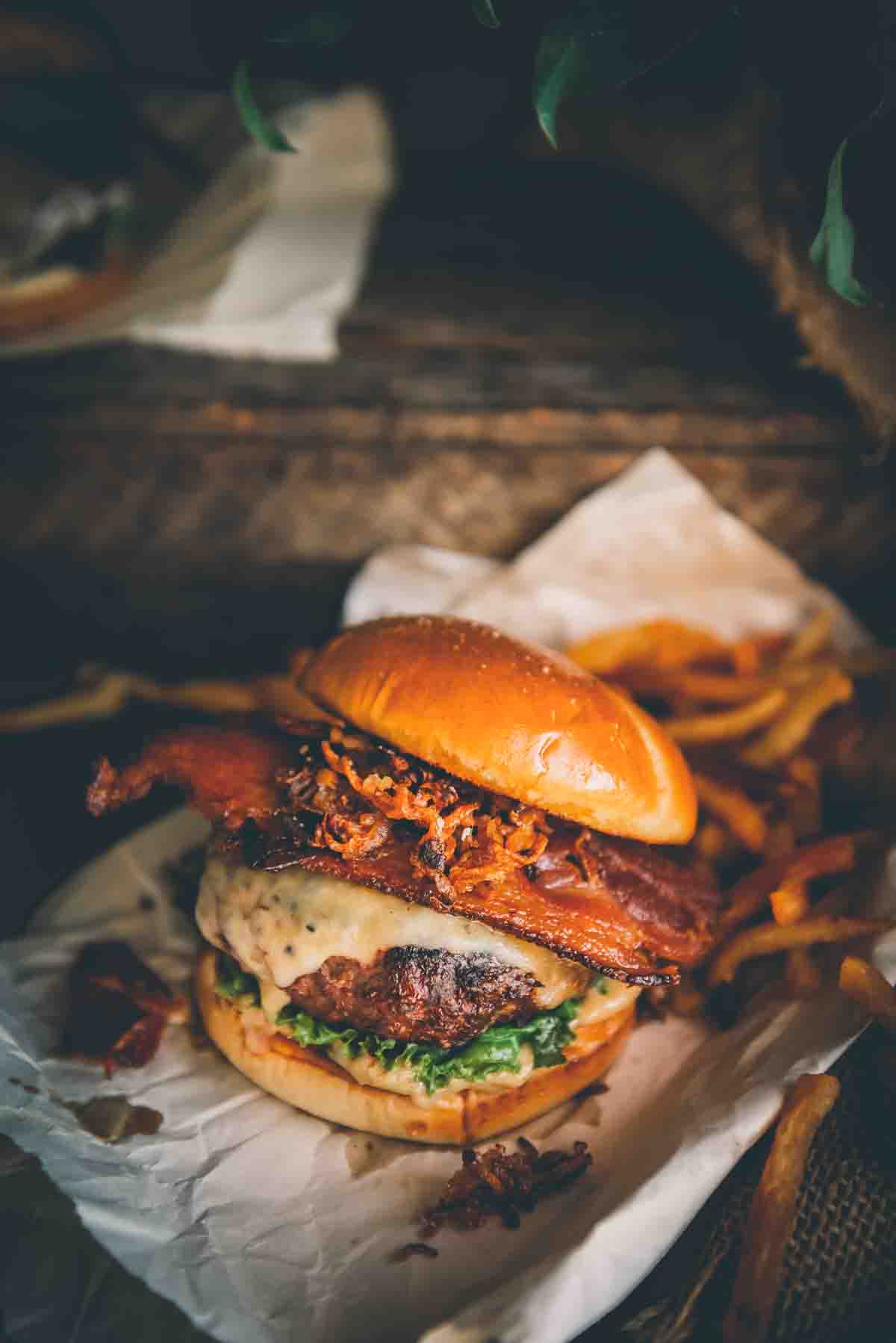
Juicy Ground Venison Burgers
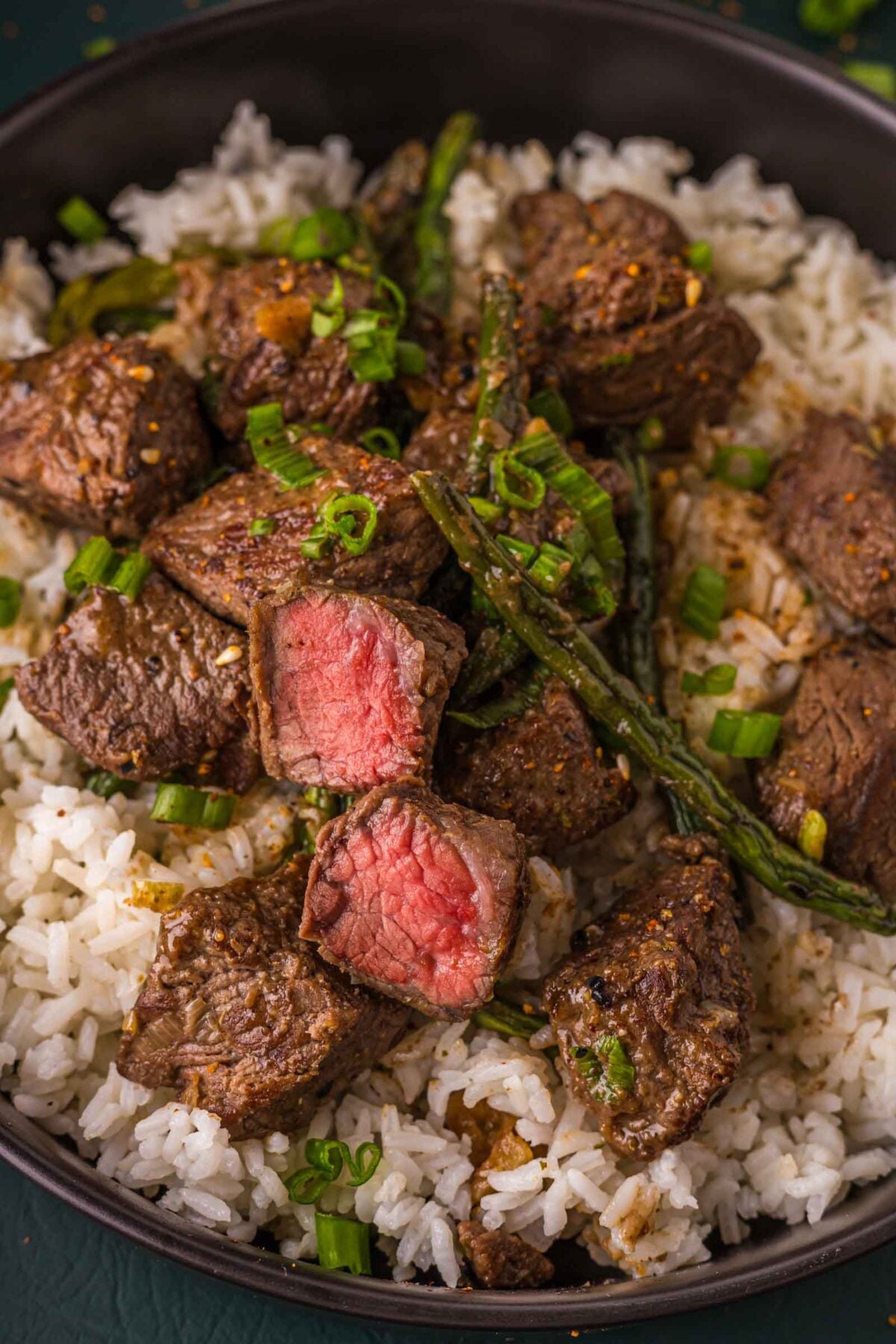
Miso Butter Steak Bites with Blistered Green Beans
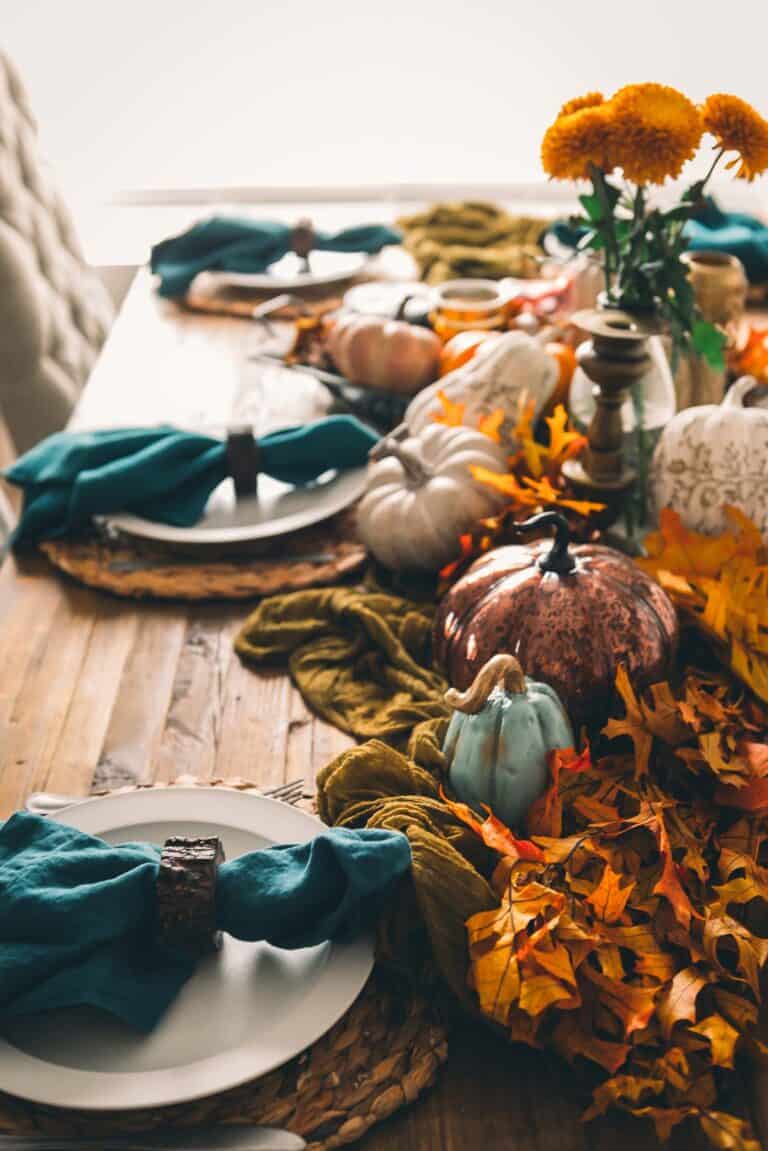
Start with the bird and work backward from Thursday
 Start here
How to Plan the Perfect Thanksgiving Menu
Dry brine it
Roast it in the oven
Or smoke it spatchcocked
Or cook the breast alone
Build the stuffing
Make giblet gravy
Pull stock off the carcass
From nose to tail
Start with the cut, not the recipe
Buy it, prep it, cook it, pull it
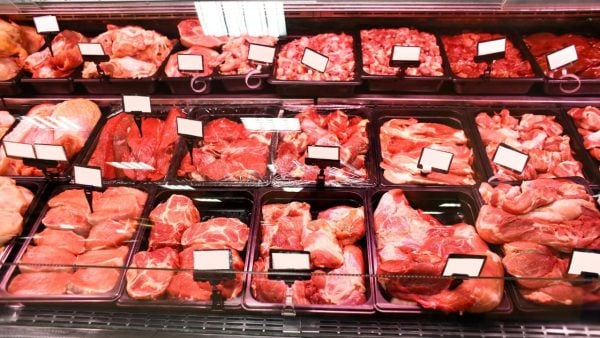
Know what you are looking at
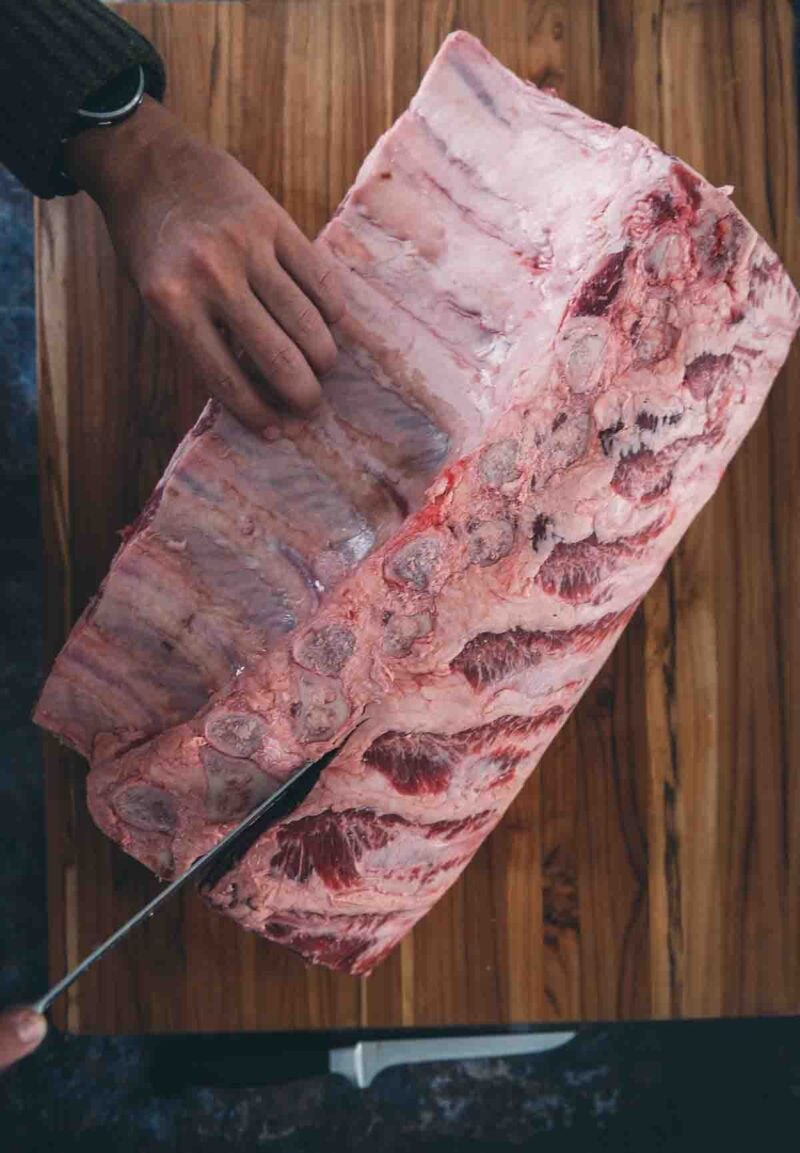
Trim it, tie it, grind it
Heat, time, or smoke
Know when it is done
What done looks like on a steak
Doneness Internal temp What you will see How it feels Blue 115 to 120°F Bluish red inside, a thin quick sear outside Chewy, depending on the cut Rare 120 to 125°F Bright red center, slight char outside Very soft Medium rareour pick 130 to 135°F Warm red center, more browning at the edges Evenly soft and tender Medium 135 to 145°F Light pink center, thicker ring of brown Soft in the center, firm edges Medium well 145 to 155°F Light brown, a touch of pink in the center Stiff Well done 155°F plus Brown all the way through Firm and chewy

Every recipe here failed at least once first
Ask the Butcher
How to Thaw a Boneless Turkey Breast
How to Truss a Chicken
Does brining really make meat juicier?
You are not cooking alone
Beef Recipes
Pork Recipes
Chicken and Turkey Recipes
Lamb Recipes
Seafood Recipes
What to do with what you brought home
The six we would teach you first
The newest recipes here