Lamb Recipes
Most popular lamb recipes
Written and tested by Kita Roberts, who has been writing about meat since 2013 and cooking for even longer. Every recipe on this page was cooked in the Girl Carnivore Meat Lab and probed with a thermometer before it was published. Here is how we test.
Lamb Recipes
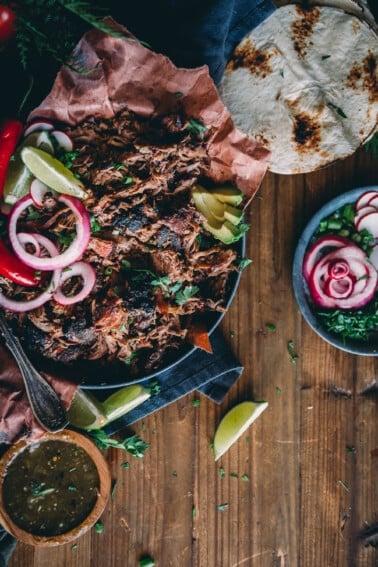
Smoked Lamb Barbacoa
Lamb Recipes
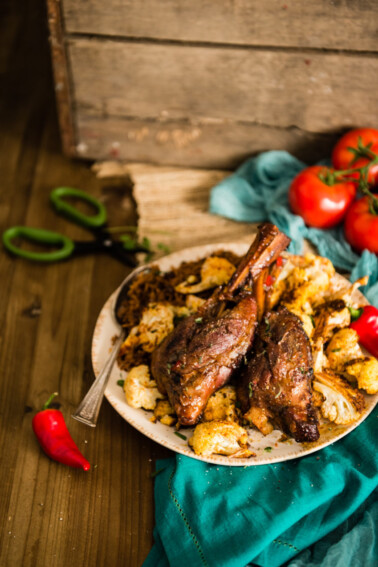
Moroccan Braised Lamb Shanks
Lamb Recipes
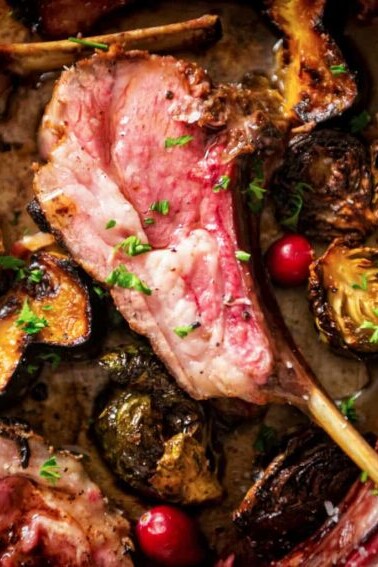
Perfect Grilled Rack of Lamb
About Lamb
Lamb may not be as popular in the United States as it is around the world, but it’s begging to be on the dinner plate. Travel outside of the States, and you will see a lot of countries eating a fair share of it (and mutton). Many global dishes use various cuts of savory stews and braises. From fork-tender meat-filled tagines with fruit and olives in Morocco to savory, rich vindaloos in India.
Australia has its lamb barbecue game on point, and its production is rising rapidly (notice the label when you are sourcing your meat). And even in some places throughout the US, it’s starting to make a comeback on regular menus.
What’s the difference between Lamb and Mutton?
Lamb is a sheep under 12 months of age at slaughter. It can be cooked in a variety of ways, from ground lamb ragus to slow-smoked leg of lamb barbacoa (and, of course, crazy good chops). The flavor is mild and earthy.
More and more, cuts of lamb are finding a spot at the butcher counter from racks of lamb to ground lamb, and not just at the holidays. It’s a versatile protein, and the variety of cuts can be braised, grilled, smoked, or seared.
If you’re not sure where to buy lamb, check out our guide to ordering meat online for our trusted sources and recommendations.
Mutton, which is often described as ‘gamey‘ and finds itself much less preferred, is a little older when slaughtered and was a staple of the food used for soldiers in World War II. That ‘gamey’ flavor people talk about is very present in mutton.
Mutton also requires different cooking methods to ensure that it is tender and has a wonderful flavor, not a chewy overpowering mouthfeel. But, when cooked properly, like all things, delectable.
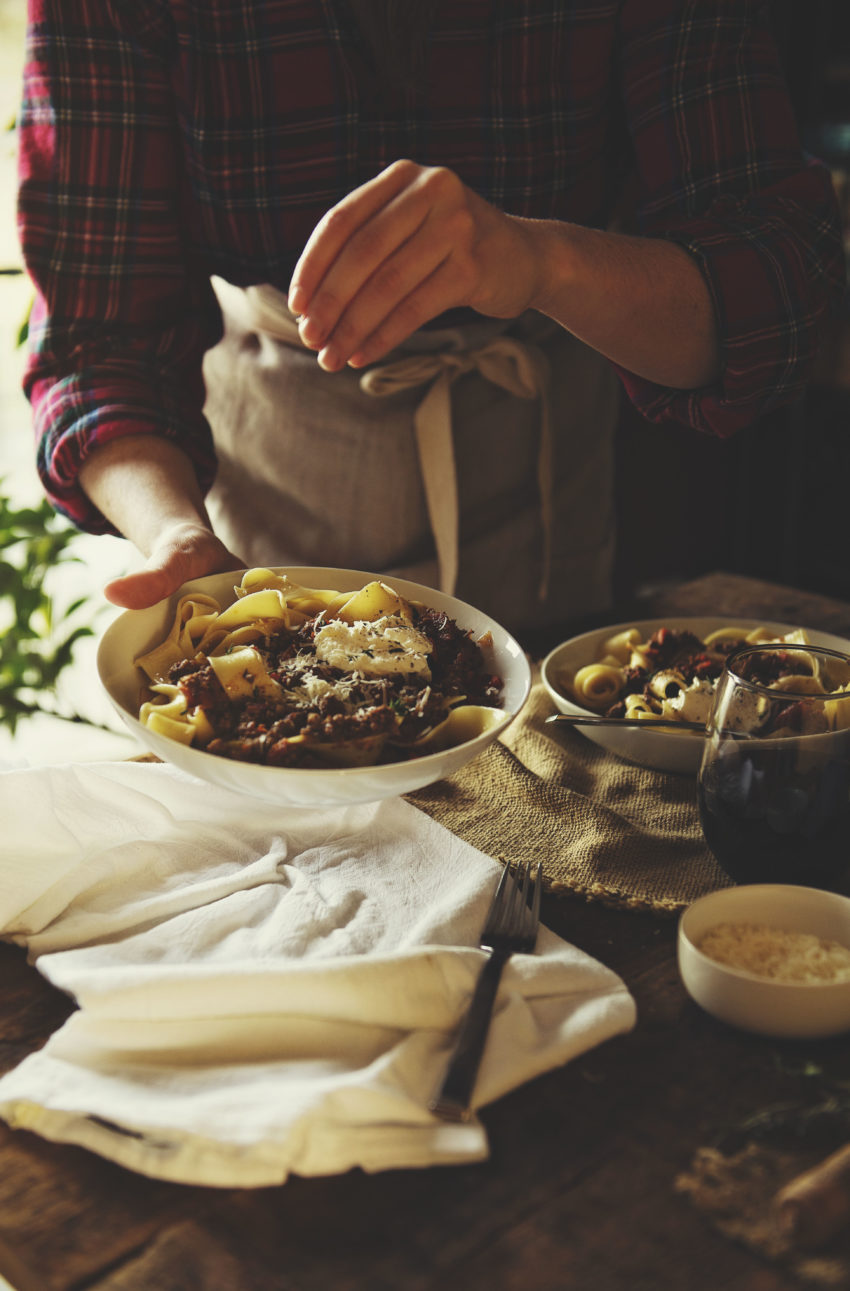
Ground LAMB Recipes
If you’re new to lamb and want a safe place to start, ground lamb is perfect. Or if you’re looking for some of our best quick-cooking and flavor-packed easy lamb dinners, this is also the perfect place to start.
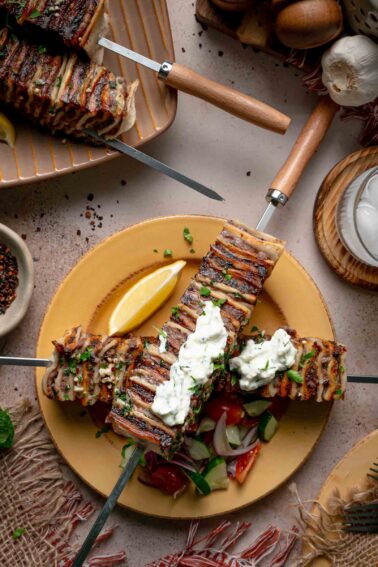
Beef Recipes
Tortilla Kebab Skewers with Haydari
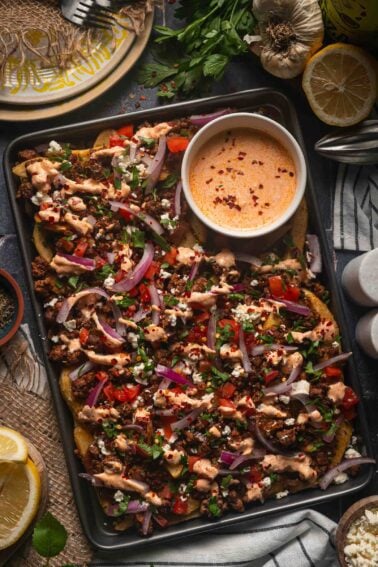
Lamb Recipes
Loaded Greek Feta Fries with Spiced Ground Lamb
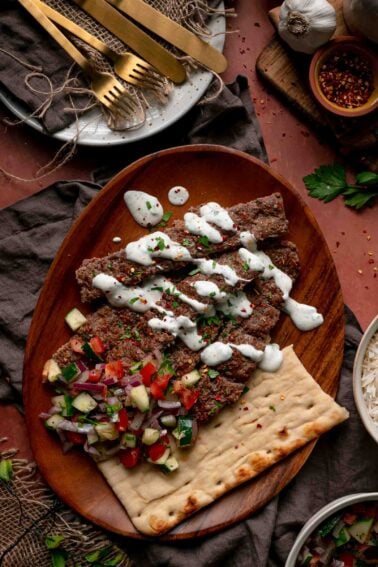
Lamb Recipes
Sheet Pan Kebabs (No Skewers, No Grill)

Lamb Recipes
Lamb Keema with Tadka Yogurt
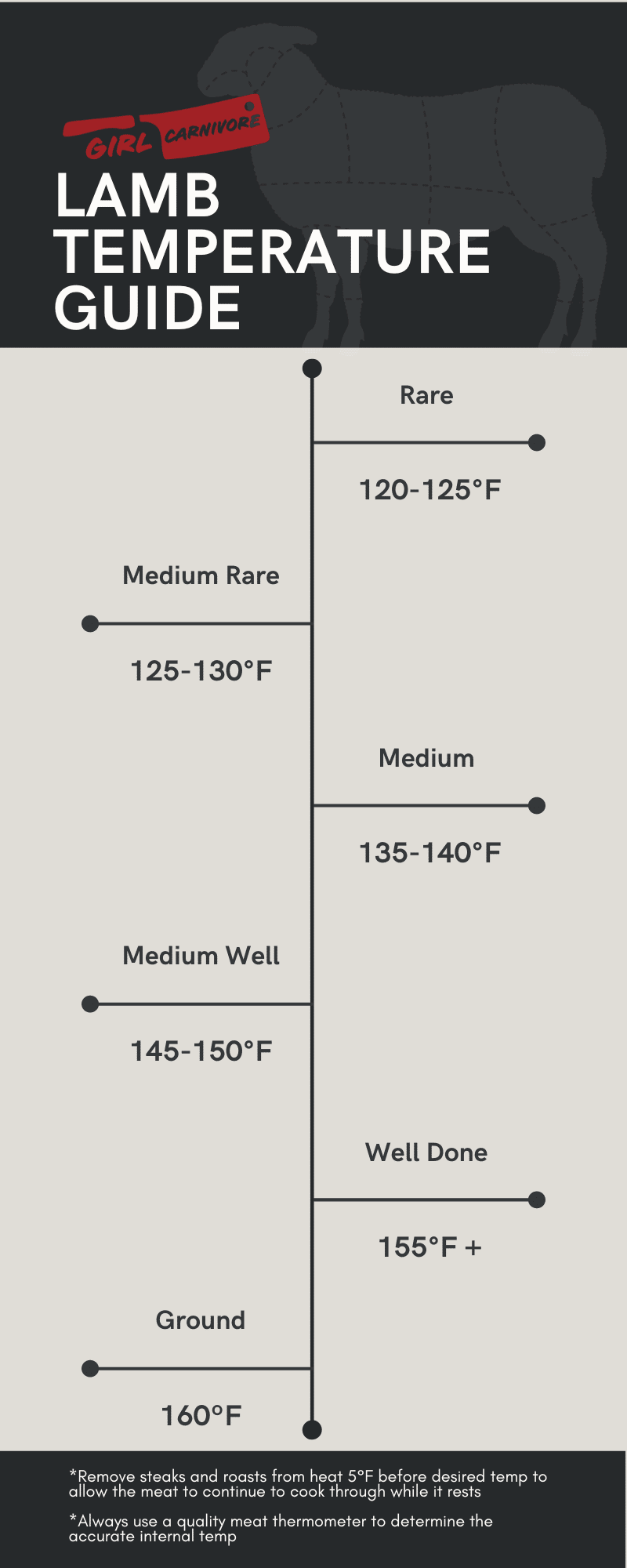
Lamb Temperature Guide
When it comes to delicious lamb, knowing exactly what temperature to cook it to is key. For some cuts, like rack of lamb, you may want to serve medium-rare, where shredded lamb, like barbacoa, is begging to be cooked past well done to help the fibers break down and the meat shreds apart from the bone.
| RARE 120 °F | MEDIUM RARE 125 °F | MEDIUM 135 °F |
| MEDIUM WELL 145 °F | WELL DONE 155 °F | GROUND 160 °F |
Carryover Cooking: remember your meat will continue to rise in temp between 5 – 15°F while it rests (depening on the size of the cut). Teat cuts of lamb like you would beef, steaks and chops, medium rare, racks and raosts, medium, tough cuts, take to 205°F to pull and always cook ground to 160°F.
BASIC TIPS FOR COOKING lamb:
Lamb has a unique flavor that pairs well with so many bright, herbaceous, and rich sauces, flavors and sides. It’s always best to learn the best internal temperature for the cut you are working with before you start so you can gauge the prep and cooking time. Season with salt as you go and enjoy the flavors.
For the best flavor and texture, always learn the best internal temperature for your favorite beef cuts before cooking and if a low and slow cooking method or hot and fast cooking method is best. Season with salt as you go to guarantee not overseasoning, and let the flavor of the meat shine through for a delicious meal.
What to serve with Lamb
Lamb, just like other red meat, pairs well with robust red wines, hearty greens, homemade condiments, like unctuous chimichurri rojo, fruits or compotes, and fresh herbs. We often pair lamb with smoked brussels sprouts or duck fat coated dominoes potatoes.
What Temperature to cook lamb to?
Pull lamb chops, rack, and leg at 125°F for medium rare and 135°F for medium. Lamb keeps climbing 5 to 10°F while it rests, so it comes off the heat before it hits your number, not after. Ground lamb goes to 160°F. The USDA safe minimum for whole cuts is 145°F with a five-minute rest. Use an instant-read thermometer, not a timer. We use and trust Thermapen for every cut.
Does lamb taste gamey?
Good lamb doesn’t, and this is the key to why most people think they don’t like lamb. Here’s the part nobody tells you: it’s in the fat, not the meat. Trim the fat cap and most of it leaves with it. Technically, it’s two different things that cause this. One is a muttony note that comes from a family of fatty acids, chiefly 4-methyloctanoic acid. The other is a barnyard note from a compound called skatole, which builds up when a lamb lives on rich green grass. And it’s because of these that the age of the sheep is what brings out that key flavor. A lamb has almost none of it. A two-year-old animal has plenty.
What is the difference between lamb and mutton?
Lamb is sheep under twelve months old, mild and tender enough for hot and fast cooking like grilling and pan-searing. Mutton is over two years old, deeper in flavor and tougher, and it wants low and slow: braises, stews, and curries. Hogget sits in between at one to two years. Swapping mutton into a lamb chop recipe will not work. Swapping it into a stew is an upgrade.
How much lamb per person should I buy?
Plan on a half pound of boneless lamb per person and three-quarters of a pound for bone-in cuts like shanks, chops, and leg. A rack of lamb serves two to three. A whole bone-in leg at five to seven pounds feeds six to eight with leftovers.
What is the best cut of lamb for a beginner?
Loin chops. They cook like a small steak, take four to five minutes a side in a hot cast iron pan, and forgive a little overshoot. Shoulder chops are the budget grilling version. Ground lamb is the lowest-risk entry of all – and makes a perfect swap for any ground beef. Save the bone-in leg for after you trust your thermometer.
What is the difference between American, Australian, and New Zealand lamb?
American lamb is larger, usually grain-finished, milder, and fattier, with noticeably bigger chops, and above all, better tasting. Australian and New Zealand lamb is smaller, grass-fed, leaner, and is more ‘gamey’ in flavor. Neither one is better, but grain-finished lamb has a better overall flavor that Americans will be more familiar with.
Do you have to marinate lamb?
No, just like beef cuts, lamb doesn’t need to be marinated. But you may want to marinate it if it has a strong grassy smell when you open it to improve the flavor. A good marinade will help set a flavor direction, rather than tenderize. And just like with any quick-cooking steaks, a dry brine works wonders on similar cuts of lamb.
How long should lamb rest before slicing?
Five minutes for chops, ten for a rack, and fifteen to twenty for a whole leg or shoulder. Rest it uncovered on a warm plate. Tenting with foil traps steam and softens the crust you just spent the whole cook building.
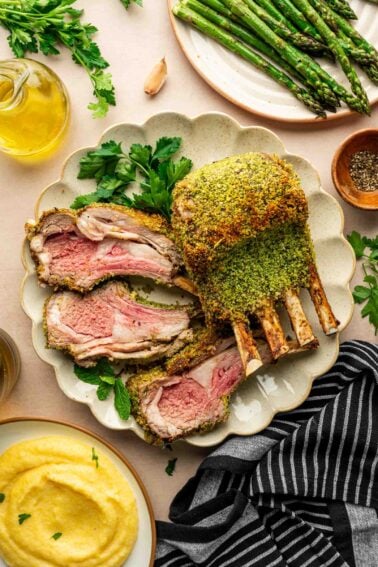
Lamb as the Main Event
If you’re putting lamb at the center of your holiday table or celebration, these recipes are the ones to make.
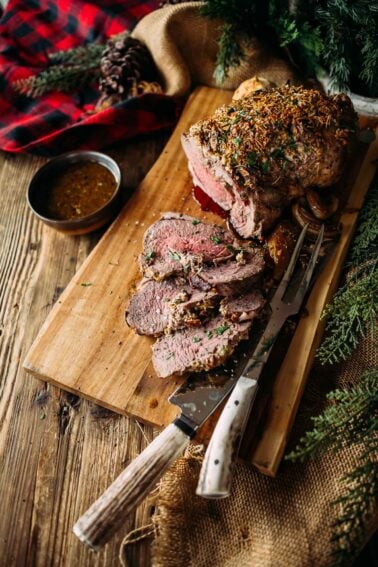
Lamb Recipes
Garlic-Stuffed Boneless Leg of Lamb Recipe
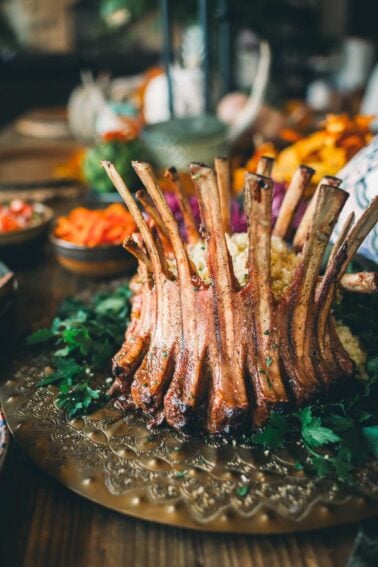
Lamb Recipes
Grilled Lamb Crown Roast with Moroccan Spices
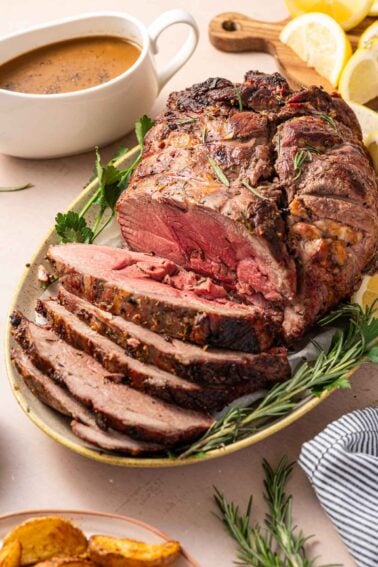
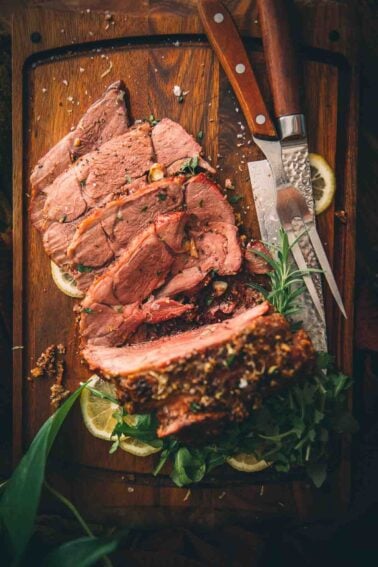
Dinner Recipes
Smoked Leg of Lamb
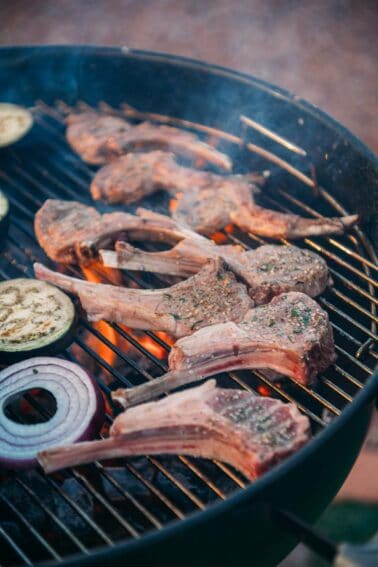
Grilling Recipes
Grilled Lamb Chops
Newest Lamb Recipes
Beef Recipes
Tortilla Kebab Skewers with Haydari
Lamb Recipes
Loaded Greek Feta Fries with Spiced Ground Lamb
Lamb Recipes
Sheet Pan Kebabs (No Skewers, No Grill)
Lamb Recipes
Lamb Keema with Tadka Yogurt
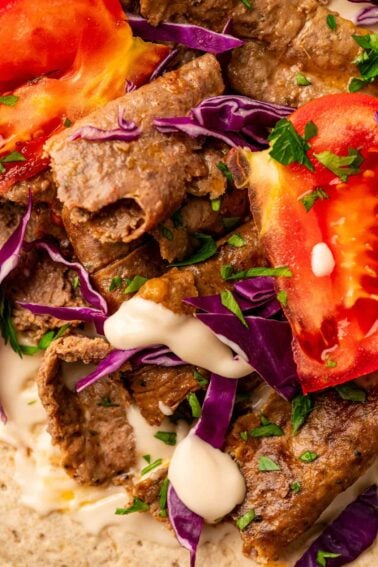
Dinner Recipes
Sheet Pan Lamb Doner Kebab (Viral TikTok Method)
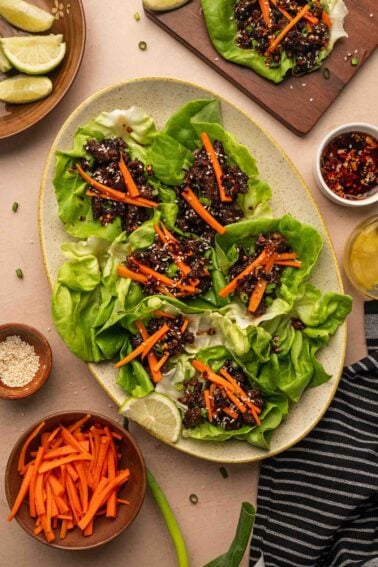
Lamb Recipes
Five-Spice Lamb Lettuce Cups with Hoisin Glaze
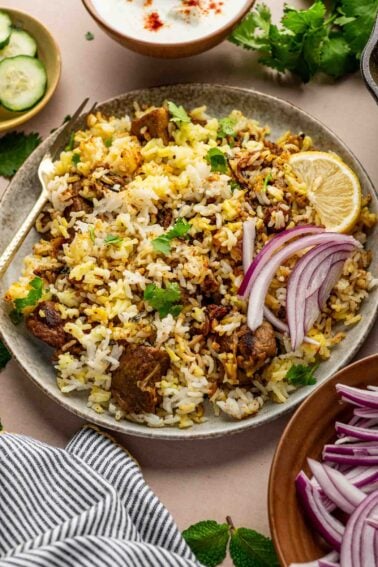
Lamb Recipes
Lamb Biryani
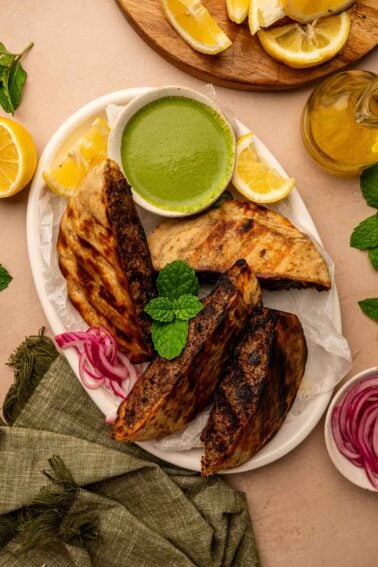
Lamb Recipes
Crispy Lamb Arayes (Grilled Stuffed Pita)
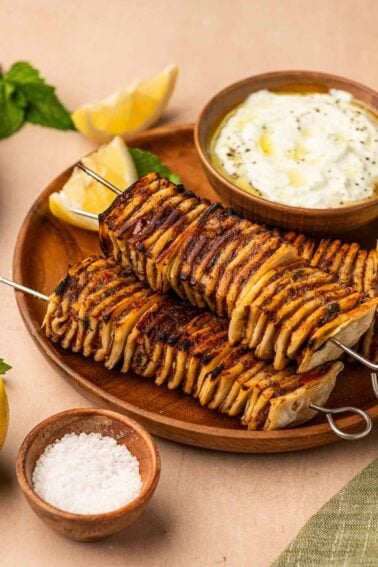
Lamb Recipes
Ground Lamb Tortilla Kebab
Lamb Recipes
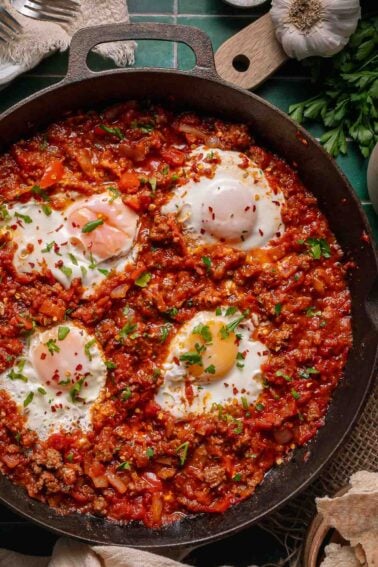
Shakshuka with ground lamb
Lamb Recipes
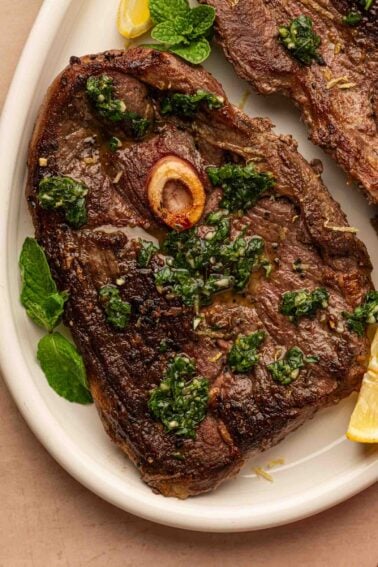
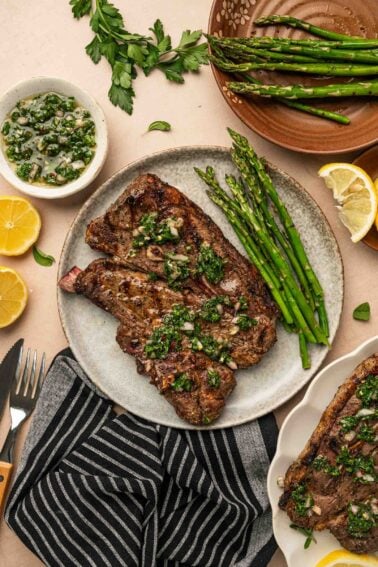
Grilled Lamb Shoulder Chops with Chimichurri

Pan-Seared Recipes
Greek Pan-Seared Lamb Loin Chops
Lamb Recipes
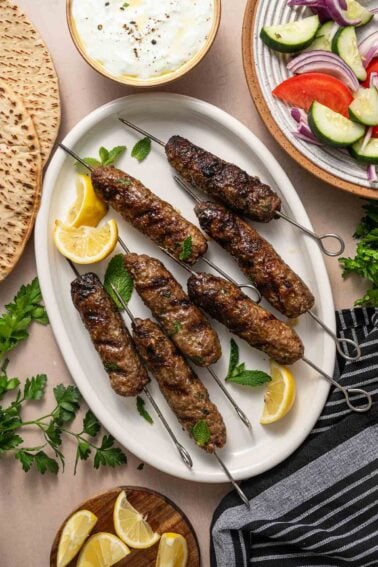
Grilled Lamb Kofta
Lamb Recipes
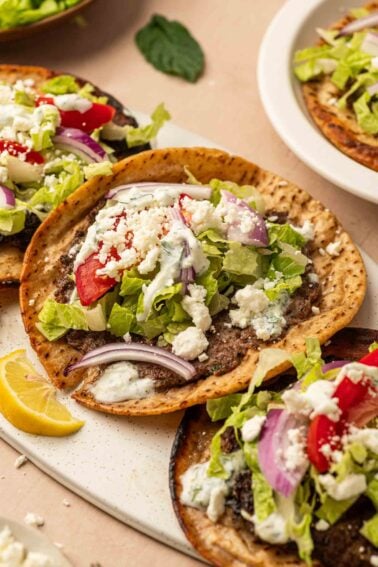
Ground Lamb Gyro Smash Burgers
Lamb Recipes
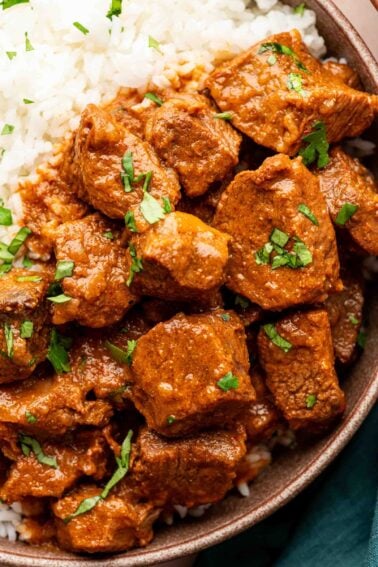
Lamb Vindaloo
Lamb Recipes
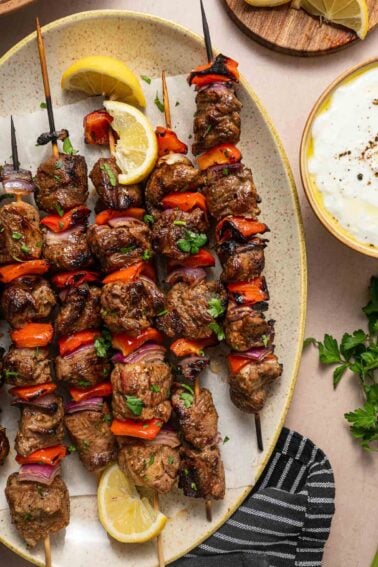
Grilled Lamb Kabobs
Lamb Recipes
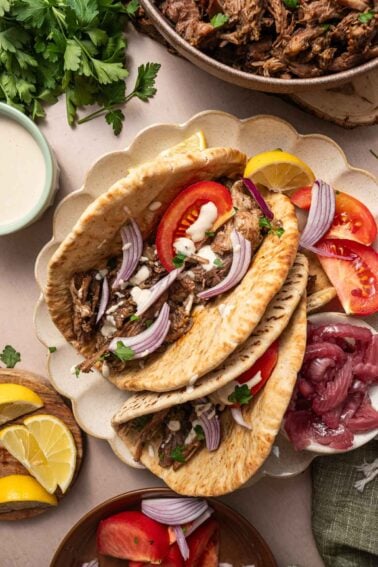
Lamb Shawarma
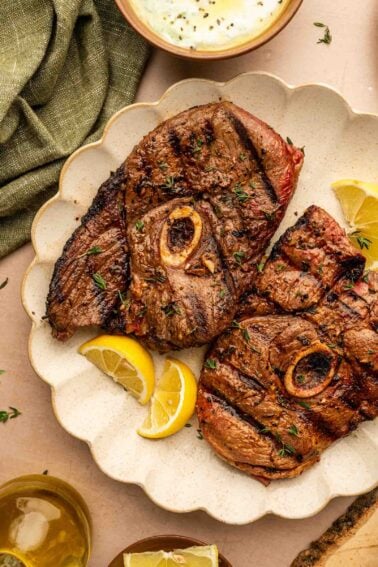
Lamb Recipes
Grilled Lamb Leg Steaks
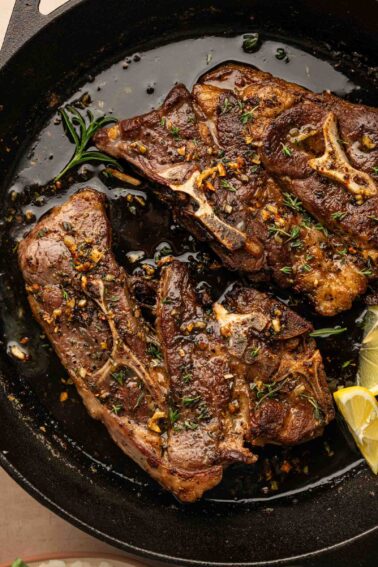
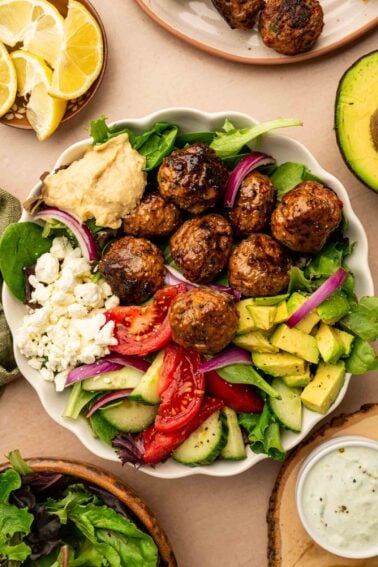
Ground Lamb
Copycat Cava Spicy Lamb Meatball Bowls
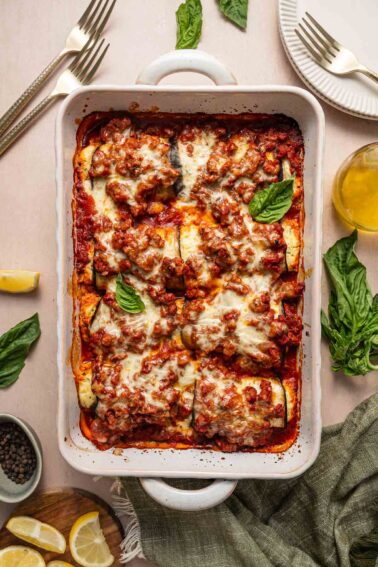
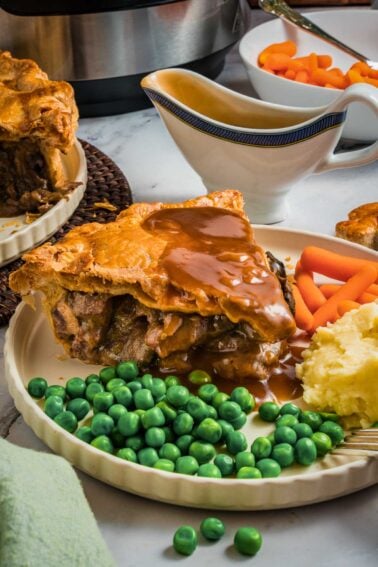
Beef Recipes
Steak and Kidney Pie
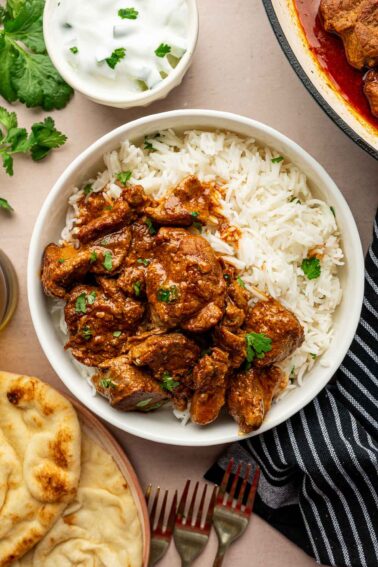
Lamb Recipes
Rogan Josh (Kashmiri Lamb Curry)
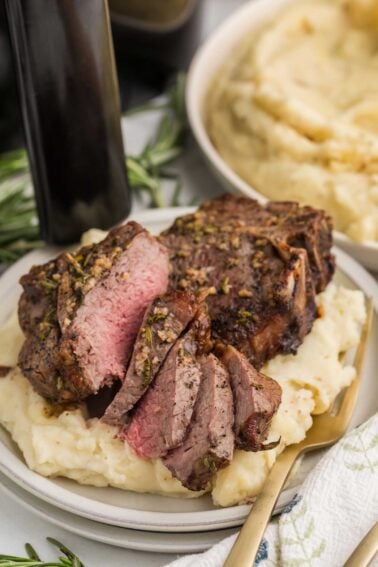
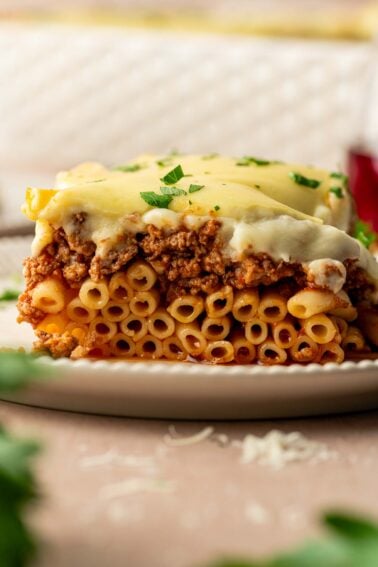
Lamb Recipes
Traditional Pastitsio
Lamb Recipes
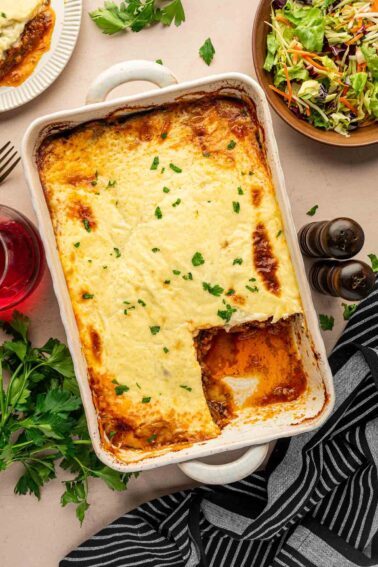
Traditional Lamb Moussaka
Lamb Recipes
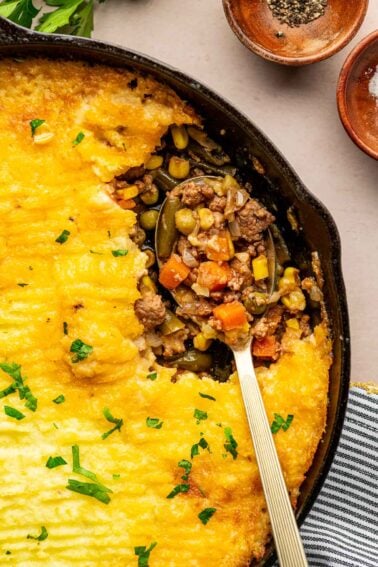
Classic Shepherd’s Pie
Lamb Recipes
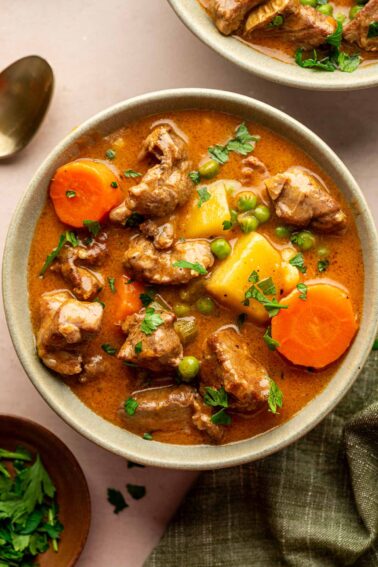
Dutch Oven Lamb Stew

Lamb Recipes
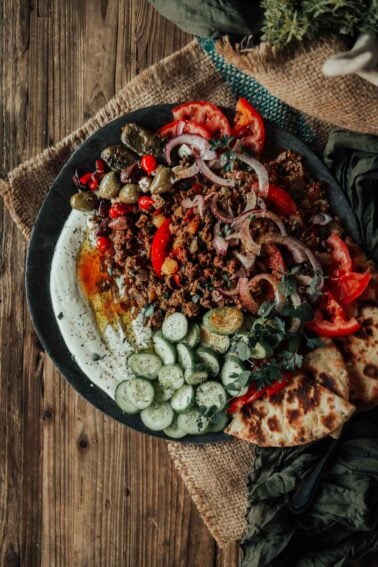
How Lamb Cuts Compare to Beef Cuts
Lamb Recipes
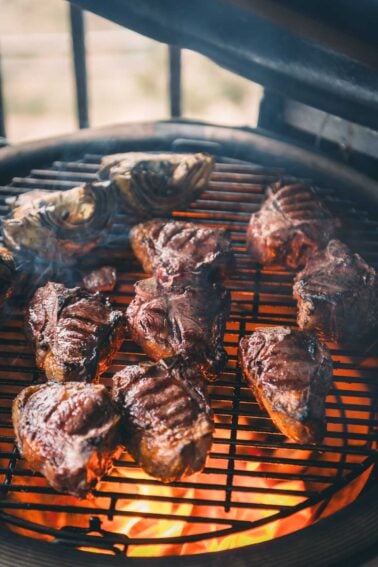
Grilled Lamb Loin Chops
Lamb Recipes
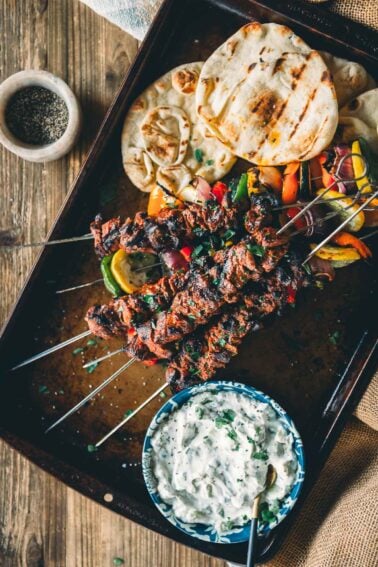
Grilled Lamb Kabobs with Harissa Marinade
Lamb Recipes
Garlic-Stuffed Boneless Leg of Lamb Recipe
Lamb Recipes
Grilled Lamb Crown Roast with Moroccan Spices
Lamb Recipes
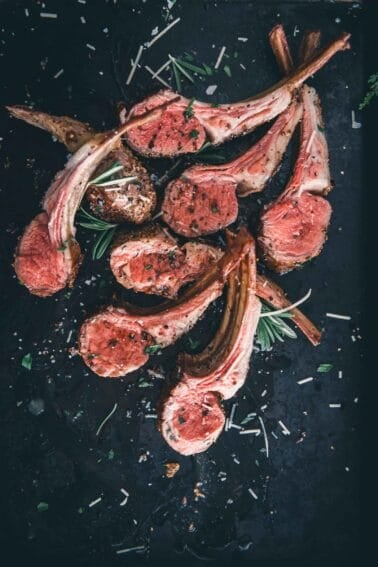
Sous Vide Rack of Lamb
Lamb Recipes
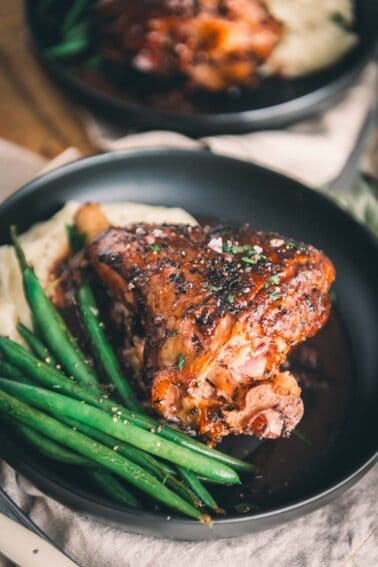
Sous Vide Lamb Shanks
Dinner Recipes