The first time I tasted real A5 wagyu, it was one thin slice at a butcher industry event, and I understood the fuss before I finished chewing. The world’s most expensive meats are not expensive because of marketing. They are expensive because of scarcity, time, and labor that cannot be faked or rushed. Prices on these swing constantly by cut, grade, and source, so instead of quoting numbers that will be stale by next season, here is what you are paying for.
Bresse Chicken
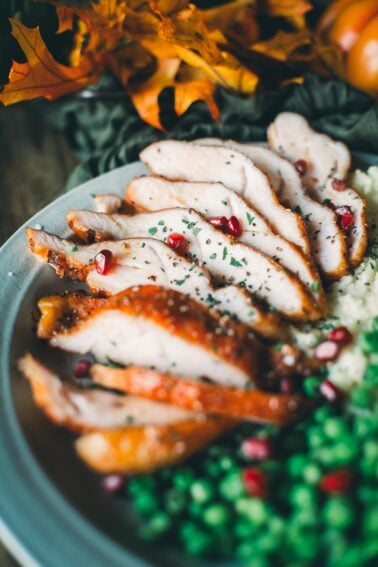
France protects this bird the way it protects Champagne. True Bresse chicken can only come from the Bresse region, raised outdoors to strict legal standards that dictate how the birds live and finish. The payoff is poultry with real muscle structure and a depth of flavor that supermarket chicken cannot touch. Chefs call it the king of poultry, and for once the nickname is earned by regulation, not hype.
Jamon Iberico de Bellota
Spain’s black Iberian pigs roam oak pastures and gorge on acorns through their final fattening season, a finish that loads the fat with oleic acid, the same fatty acid that makes olive oil what it is. Then the hams cure for years before they are ready to slice. You are paying for pasture, breed, and time measured in seasons, not weeks. The fat should melt at the touch of a warm knife. That is the tell.
Matsusaka Beef
One of Japan’s most prized regional beef brands, Matsusaka comes exclusively from virgin female cattle raised in Mie Prefecture. The marbling runs so fine it looks airbrushed. The herds are small, the standards are strict, and the supply that leaves Japan is a trickle, which is exactly why it costs what it costs.
A5 Japanese Kobe Beef
Kobe is not a style. It is a certification, limited to Tajima-strain cattle raised in Hyogo Prefecture that pass strict grading, with A5 sitting at the top of Japan’s yield and quality scale. The marbling is so dense the raw meat looks pink instead of red, and the fat begins softening near room temperature. Most of what American menus call Kobe is not. Before you spend serious money, read up on the real difference between Wagyu and Kobe.
Olive Wagyu
The rarest wagyu on earth comes from a small number of cattle in Japan’s Kagawa Prefecture, fed a diet that includes toasted olive pulp left over from oil pressing. The herd is tiny and the annual supply is measured in hundreds of head, not thousands. Scarcity like that attracts counterfeits, so learn how to spot fake wagyu before you hand over your card.
Vintage Cote de Boeuf
A French butchering family ages beef using a proprietary deep-cold process they call hibernation, holding cuts in suspended animation for years, some for over a decade. The result is sold by the serving in a handful of restaurants, less like buying a steak and more like buying a vintage wine with a bone in it. It is the most extreme answer yet to a question every pitmaster understands: what does time do to beef.
Moose Tenderloin
Here is the twist ending: the rarest meat on this list mostly cannot be bought. In the United States, wild-harvested game cannot be sold commercially, so a moose tenderloin comes from a tag, a rifle, and a long walk out of the backcountry. Hunters trade it like currency. When meat cannot legally have a price, it becomes expensive in a way money does not cover.
If You Splurge, Do Not Blow the Cook
Meat at this level punishes sloppy technique. Thin slices of A5 want a dry, ripping-hot pan and about 30 seconds per side, no oil needed since the fat renders instantly. Thicker premium cuts want gentle heat and a hard sear at the end, the same approach as cooking a tomahawk steak, pulled at temp with a Thermapen instead of a guess. Keep a steak temperature guide handy and stop cooking at 130 degrees F for medium rare. At these prices, doneness is not a debate.
Scarcity, time, labor. That is the whole formula, and no shortcut survives it.
Hungry for more? Subscribe to our newsletter and become part of the world’s best meat community! From grilling tips to smoky secrets, we send you the best recipes, guides, and expert advice to master every cut.