
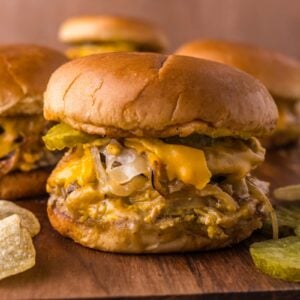
We’re obsessed with onions on burgers. Can’t get enough of them. So when we went after the Oklahoma Onion Burger, we went hard – a thin patty seared over a mountain of shaved onions until they fuse into the crust and you can’t tell where the beef ends, and the onion begins. That beef-to-onion ratio is exactly what we wanted. And oh, did we nail it.
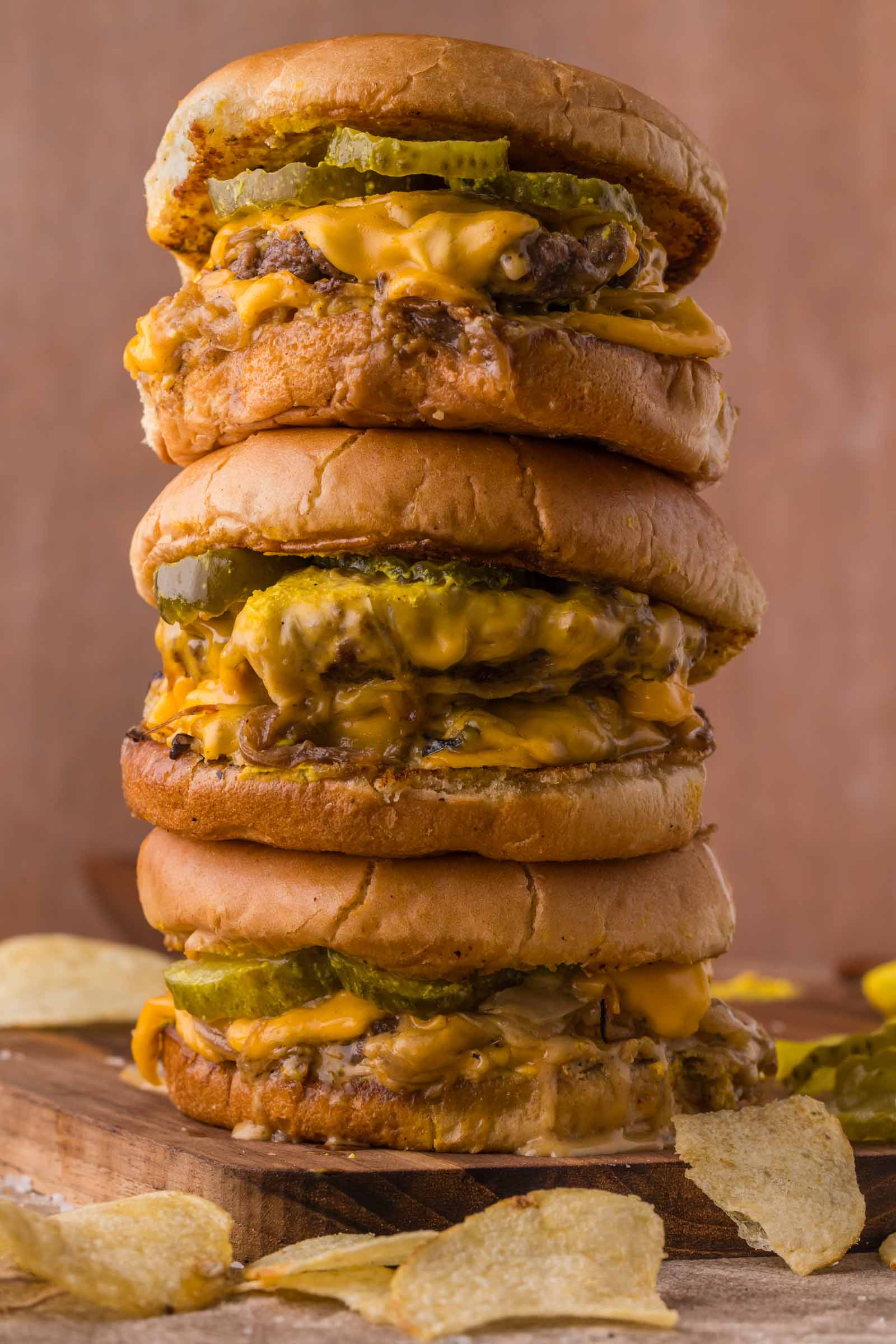
We tested this in the GC Meat Labs on both the Blackstone and in cast iron, and the surprise was how much onion thickness matters. Too thick, even a shy ⅛ inch, and the onions don’t fully steam-caramelize in the cook time. They stay al dente instead of frizzled, and you end up with an onion topping instead of an onion crust. Paper-thin, almost translucent slices off the mandoline are what make the difference. And don’t salt the meat before you smash it. The moisture it draws fights the sear you’re trying to build.
Yellow mustard and pickles on a soft bun – thats all this burger needs. The beef and onion crust carries enough flavor that you don’t want anything competing. Oklahoma cooks figured out in the 1920s that the cheapest thing in the kitchen could become the best part of the burger. They were right.
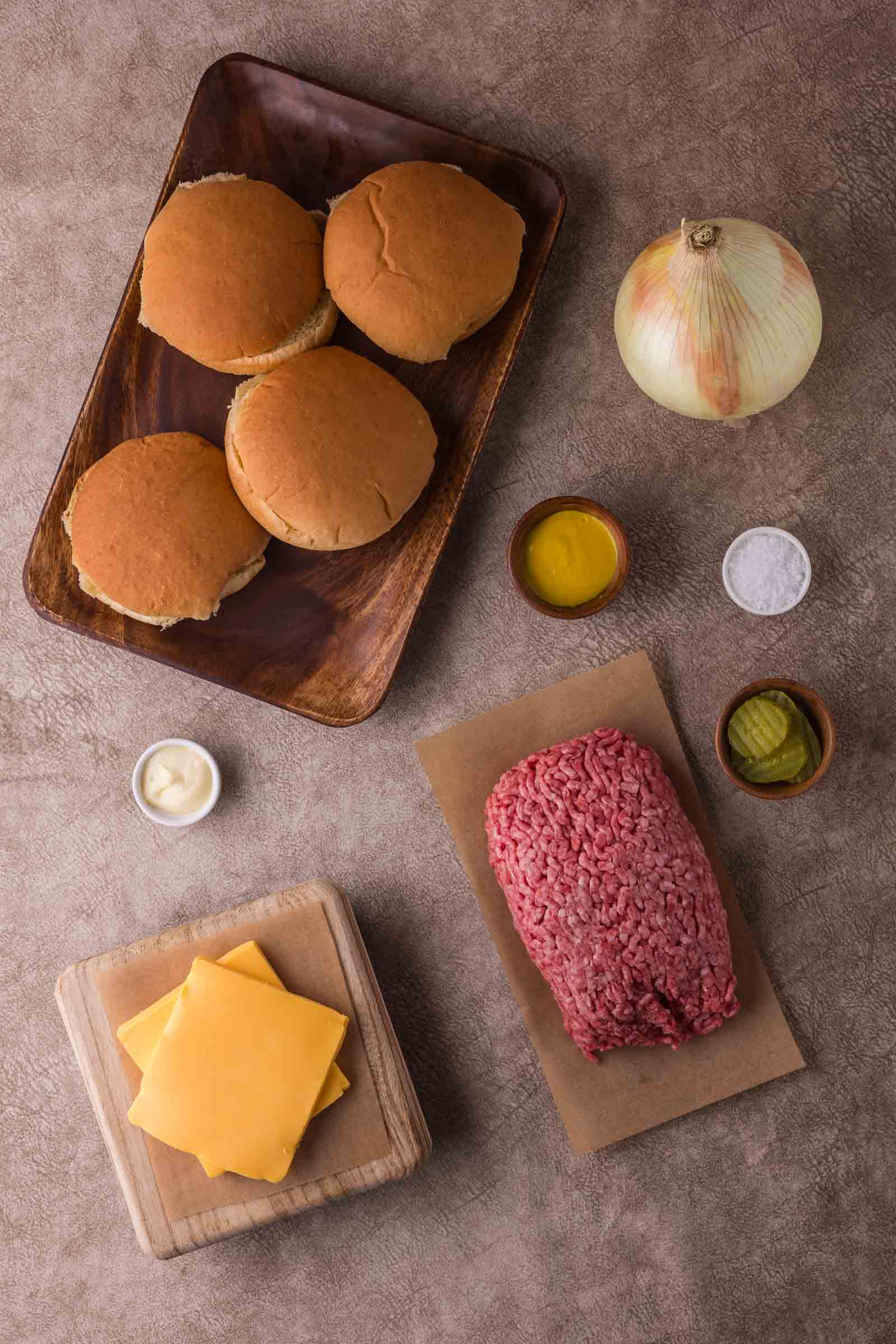
🔪 Ingredients for Oklahoma Onion Burger
- Ground beef: 80/20 ground chuck. The fat isn’t optional here, it carries flavor into the onions as everything fuses during the smash. Leaner beef makes a drier, less satisfying patty. If you’re sourcing quality ground beef, this is a recipe that rewards it.
- Yellow onion: One large onion, about 10–12 oz. Paper-thin is the target, thin enough to turn translucent and start frying in 90 seconds. A mandoline gets you there faster, but a sharp knife works if you go slowly.
- Kosher salt: For seasoning after the smash, not before.
- Soft hamburger buns: The bun needs to give against the thin patty. A potato roll is the traditional call and it’s the right one. Skip brioche – too bready for how thin this patty is.
- American cheese: Deli-sliced, not individually wrapped singles. It melts cleaner and faster at flat-top temps.
- Yellow mustard: Squeeze bottle. Classic.
- Dill pickles: Sliced thin. The acid cuts the richness of the caramelized beef fat.
- Mayo: Optional. Thin layer on the bottom bun – it helps the assembly hold together.
Equipment
- Flat-top griddle or cast iron skillet: Mandatory. This recipe requires solid contact between onion, beef, and surface – grill grates won’t get you there. Prefer live fire? Set the cast iron directly over charcoal – you’ll get a hint of smoke the Blackstone alone can’t give you. Check outmore smoking recipes if that’s your direction.
- Stiff metal spatula: Not silicone. You need something rigid enough to press the full surface of the patty down hard and scrape the crust clean on the flip.
- Parchment paper: Cut into squares before you start. It goes between the spatula and the raw beef during the smash so you can press hard without the meat tearing or migrating sideways.
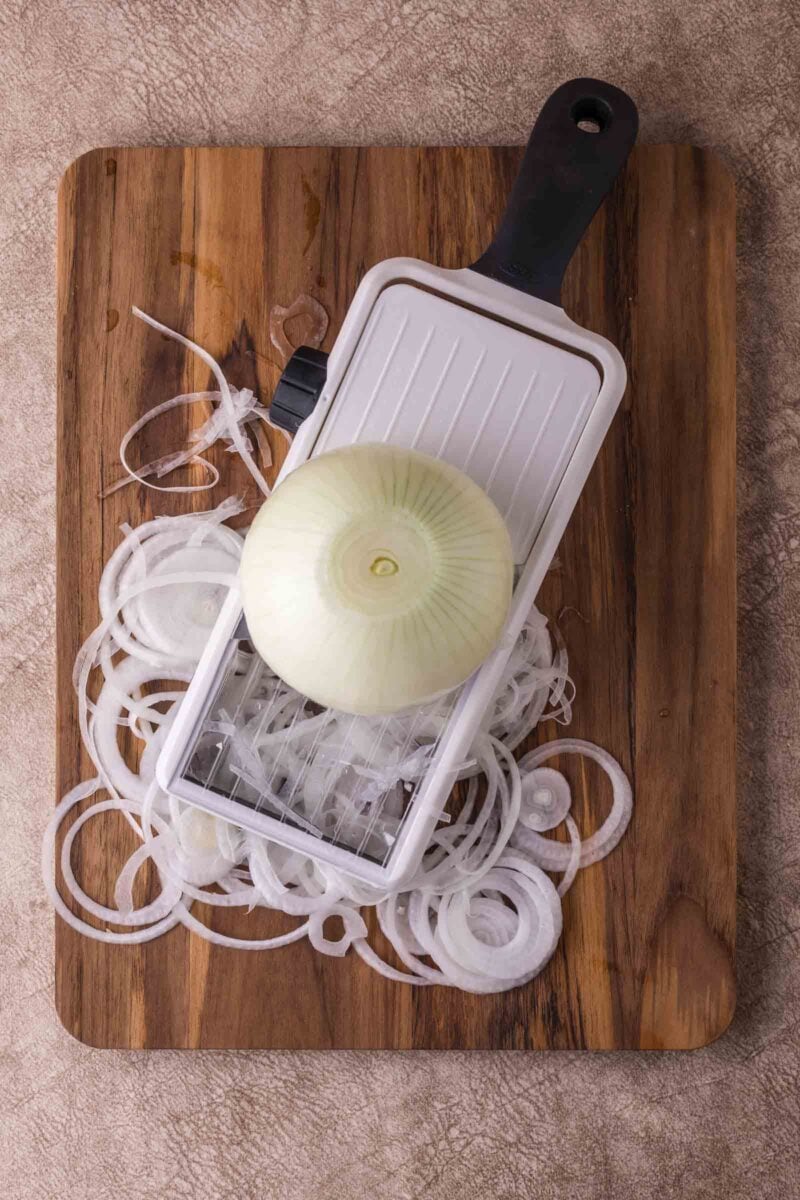
- Mandoline: Strongly recommended for onion slices. Paper-thin is the target, and a sharp knife can get you there, but it takes twice as long, and the slices are less consistent. A mandoline does it in 60 seconds.
📝 How to Make An Oklahoma Onion Burger
- Preheat your griddle or cast iron over medium-high heat until the surface hits 400–425°F. Flick a drop of water; it should evaporate immediately and violently. Lightly oil the surface only if needed; the beef fat handles most of it.
- Slice your onions paper-thin using a mandoline on the thinnest setting, or a sharp knife if your skills are solid. Set aside in loose, separated piles, one generous handful per patty.
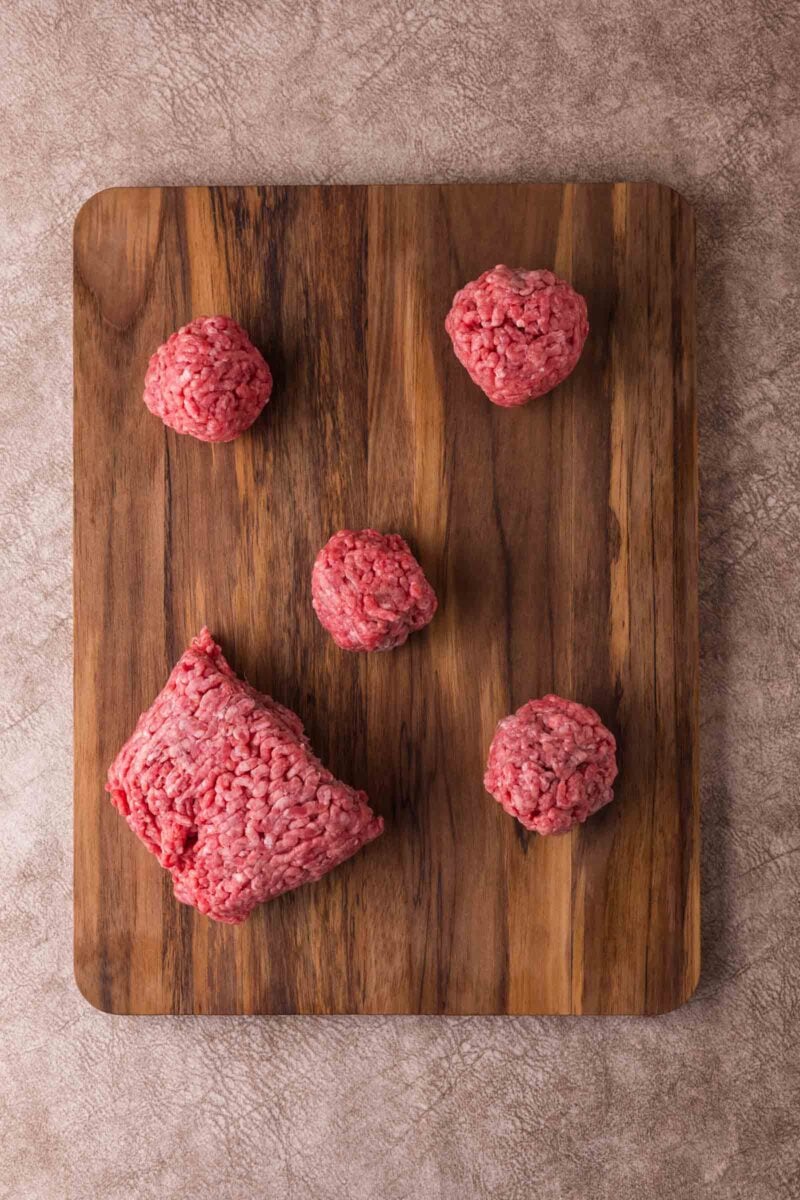
- Divide the beef into 4 loose balls, about 4 oz each. Do not pack or shape them into patties. Keep them rough and loose – the smash creates the patty.
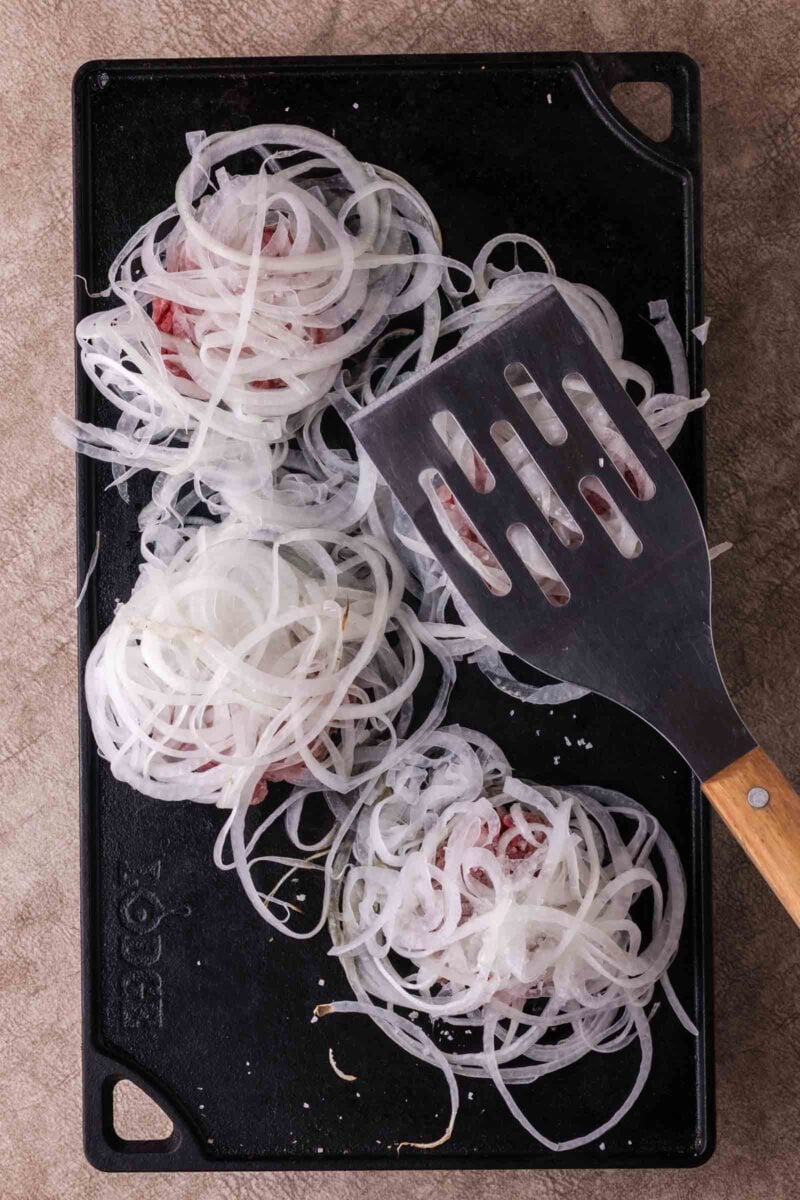
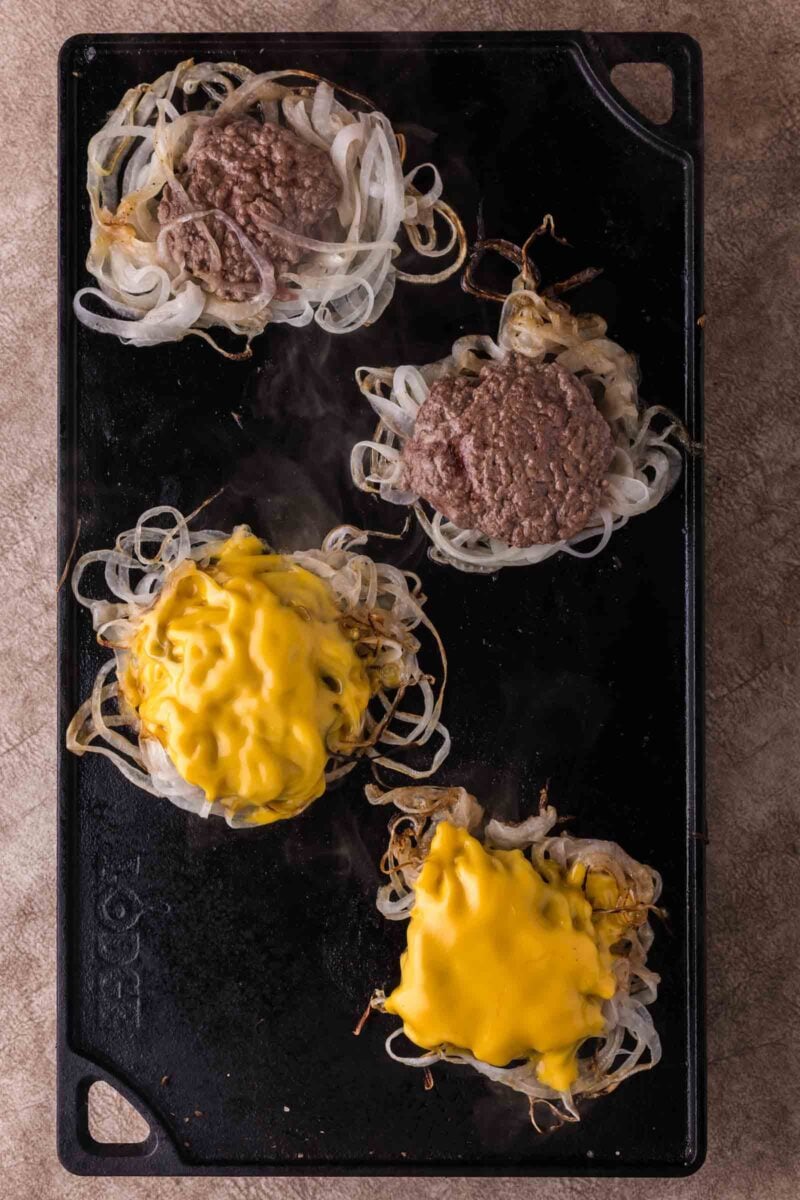
- Place a beef ball on the hot surface. Top with a generous handful of sliced onions. Lay a square of parchment over the top and smash firmly with a stiff spatula, pressing down evenly until the patty is about ¼ inch thick. Season the exposed top immediately with kosher salt.
- Cook undisturbed for 2 to 3 minutes. The bottom should be deeply browned, and the onions around the edges frizzled and starting to crisp. The patty will release cleanly when it’s ready – if it’s still sticking, give it another 30 seconds.
- Flip in one confident move, scraping all the crust and embedded onions from the surface. Top immediately with 2 slices of American cheese. Cook 1 more minute until the cheese is fully melted and the second side has some color.
- Toast the buns cut-side down in the remaining fat or a dry pan, 1 to 2 minutes until golden. Watch them, they toast fast.
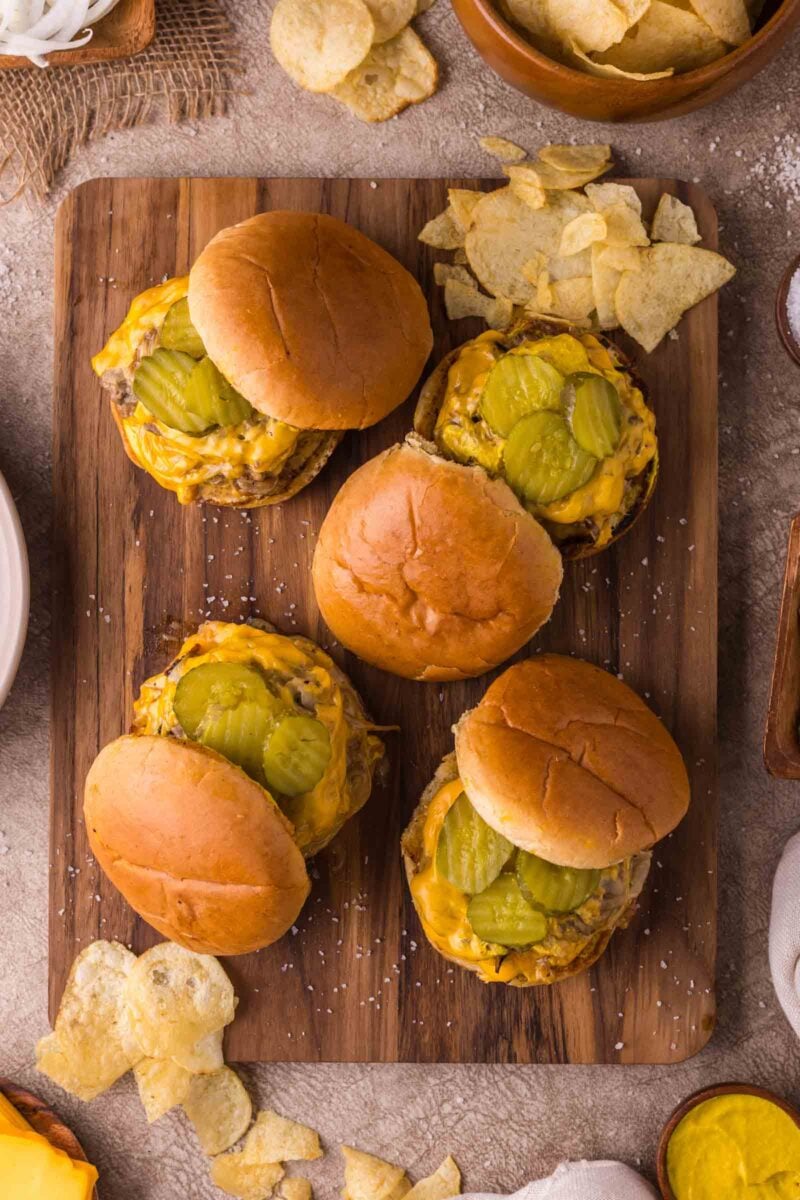
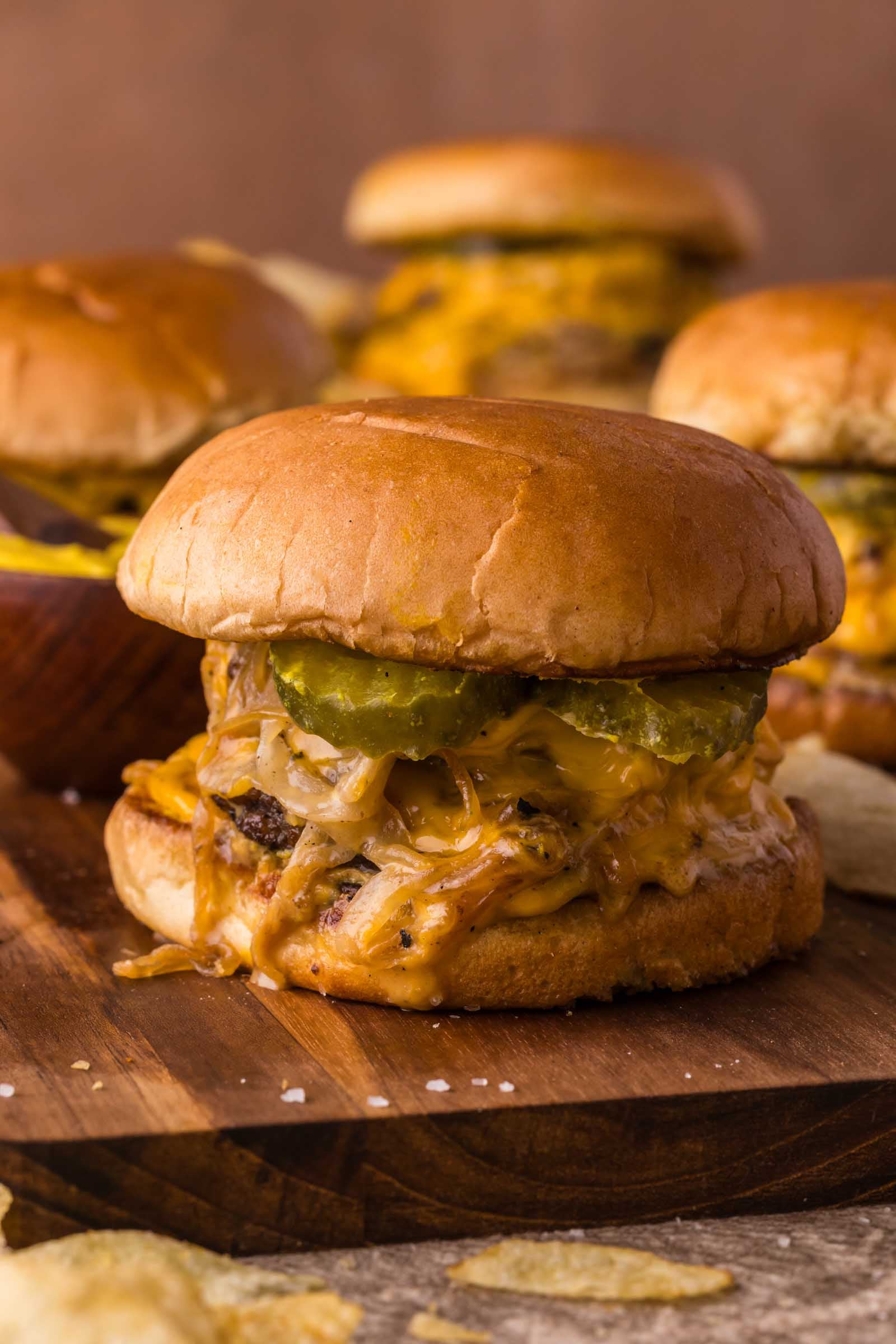
- Assemble: Mayo on the bottom bun. Patty with the onion crust facing up. Mustard and pickles. Top bun. Serve immediately – these get soggy as they wait.
🔄 Substitutions
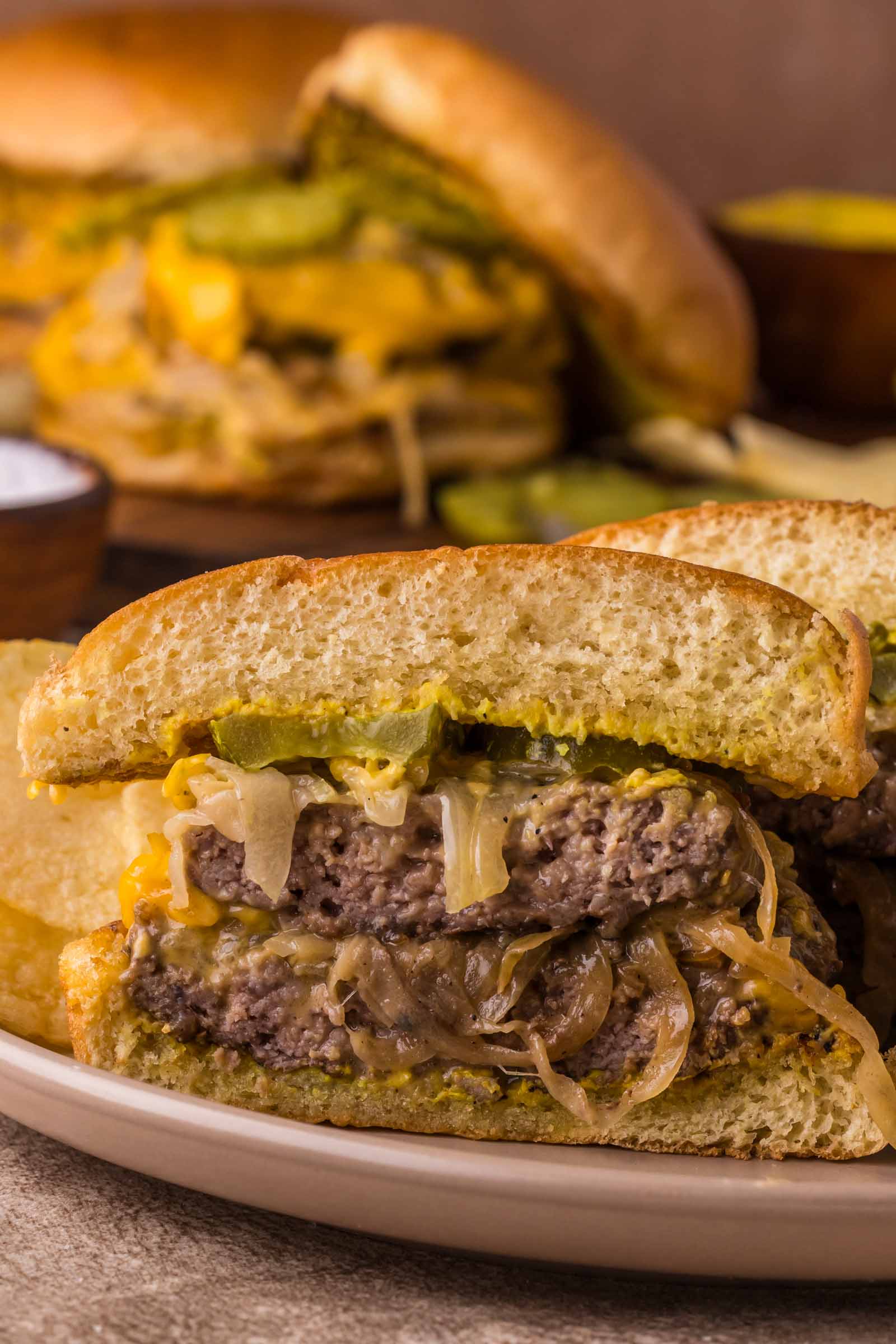
- 90/10 lean beef instead of 80/20: The patty is noticeably drier, and the onions don’t fuse into the crust the same way. The fat is what carries the caramelized onion flavor into the sear; without it, you’re tasting beef and onion separately instead of together. If you want another option, try ground pork.
- Sweet onion instead of yellow: Works, but the finished burger reads sweeter and jammy rather than savory-diner. The balance tips away from the Oklahoma burger and toward a caramelized onion topping situation.
- Cheddar instead of American: Cheddar melts fine but takes longer at flat-top temps and tends to separate slightly rather than draping cleanly. Cover with a dome or lid for 20 seconds to get it there.
- Hand-cut thick onion slices instead of paper-thin: It ain’t a traditional Oklahoma onion burger, but sure. Slices thicker than ⅛ inch don’t steam-fry fast enough. You get al dente onion instead of the frizzled, embedded crust the burger is built on.
💡 Meat Nerd Tips
- The parchment paper is load-bearing. A bare spatula sticks to raw beef and tears the surface before the crust can form. Parchment gives you grip to press hard, keeps the meat from migrating sideways, and peels off clean before you flip.
- Don’t salt before you smash. Salt draws moisture to the surface. That moisture sits between the beef and the griddle and steams instead of sears. Season the exposed top of the patty immediately after pressing, while the bottom is building its crust.
- Don’t touch it after you smash. The onions caramelize under steam pressure from the beef. If you shift the patty or peek too early, the onions break loose and lose the contact that makes them fuse. Set it. Leave it. Trust the 2-minute mark.
- Two patties per burger is the right call. This is a thin burger by design. Two 2-oz patties stacked gives you dramatically more crust-to-center ratio and a more substantial build without losing the signature thinness of the style. Stack them cheese-side-to-cheese-side before building on the bun.
🍽️ What to Serve with Oklahoma Onion Burger
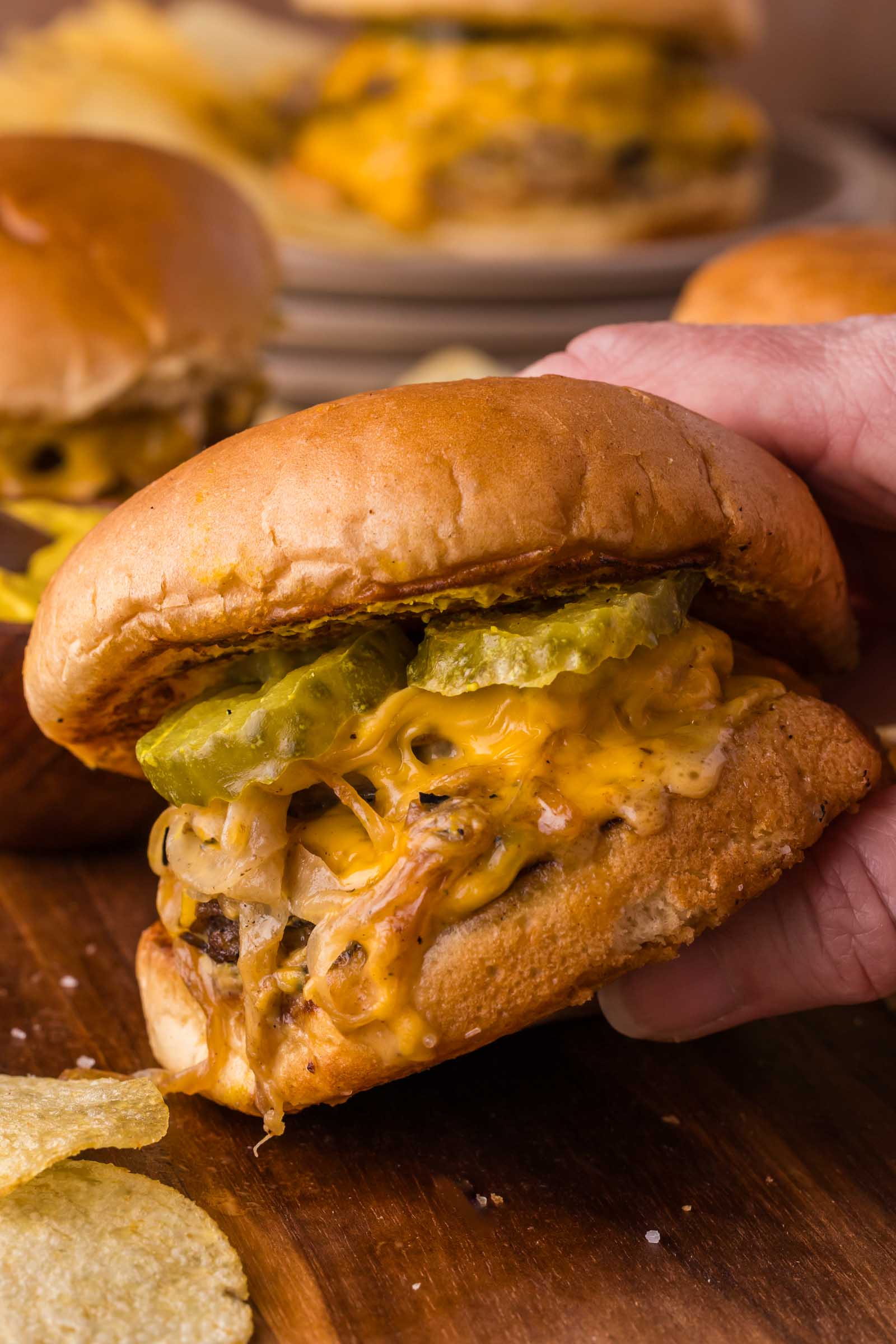
- Hand-cut fries or smashed crispy potatoes: The salty, starchy backup that lets the onion crust stay the star, anything richer and you’re competing with the burger instead of rounding it out.
- Cold dill pickle spear on the side: The acid cuts through the beef fat in a way that makes you want to take another bite immediately.
- French Onion Burger: If you’re feeding a crowd and want both onion burgers on the table, this is the richer cousin – same obsession, different direction.
🧊 Leftovers and Storage
- Refrigerate cooked patties separately from buns and toppings in an airtight container for up to 3 days.
- Reheat in a cast-iron skillet over medium heat for 2–3 minutes per side. Skip the microwave – it steams the crust on the onions and burgers, making them soft.
- Do not freeze assembled burgers. The onion crust doesn’t survive the freeze-thaw with any texture worth eating. Freeze-cook patties only for up to 3 months, then assemble fresh.
Have you tried this recipe? Do us a favor and rate the recipe card with the ⭐ ⭐ ⭐ ⭐ ⭐ and drop a comment to help out the next reader.
Oklahoma Onion Burgers Recipe
Recommended Equipment
- Flat-top griddle or cast iron skillet
- Stiff metal spatula
- Parchment paper
- Mandoline
Ingredients
For the Burgers
- 1 lb ground beef 80/20
- 1 large yellow onion (about 10–12 oz), paper-thin sliced
- 1 tsp kosher salt
- 4 soft hamburger buns
- 8 slices American cheese deli-sliced
- 2 tbsp yellow mustard
- Dill pickles sliced
Optional
- 2 tbsp mayo Optional
Instructions
Prep the Surface and Onions
- Preheat a griddle or cast iron skillet over medium-high heat until the surface reaches 400–425°F. Slice the onion paper-thin using a mandoline or sharp knife. Set aside in loose piles. Divide the ground beef into 4 loose balls about 4 oz each — do not pack or pre-shape.
- Slice the onion paper-thin using a mandoline or sharp knife. Set aside in loose piles.

- Divide the ground beef into 4 loose balls about 4 oz each — do not pack or pre-shape.
Smash
- Place a beef ball on the hot surface. Top with a generous handful of sliced onions. Lay a square of parchment over the top and smash firmly with a stiff spatula until the patty is about ¼ inch thick. Immediately season the exposed top with kosher salt. Work in batches as needed.
First Side
- Cook undisturbed for 2 to 3 minutes until the bottom is deeply browned and the onions around the edges are frizzled. The patty should release cleanly from the surface when ready.
Flip and Cheese
- Flip each burger in one quick move, scraping all crust and onions from the surface. Top immediately with 2 slices of American cheese. Cook 1 more minute until the cheese is fully melted.
Toast and Build
- Toast buns cut-side down in the remaining fat or a dry pan for 1–2 minutes until golden. Spread mayo on the bottom bun if using.
- Add the patty onion-side up. Top with mustard and pickles. Serve immediately.
Notes
- Use parchment paper between the spatula and beef when smashing — it prevents tearing and lets you press hard without the meat migrating.
- Season after smashing, not before. Pre-salting draws moisture that interferes with the crust. – Work in batches to maintain griddle temp. Don’t crowd the surface.
- Cooked patties keep in an airtight container in the fridge up to 3 days. Reheat in a skillet, not the microwave.
- Two 2-oz patties per burger (a double-stack) give a better crust-to-center ratio without losing the thin-patty character of the style.
Save this Recipe
Nutrition
Bookmark this recipe now!
Quick Summary
Oklahoma Onion Burgers are a Depression-era diner classic from El Reno, Oklahoma: a loose beef ball smashed over paper-thin onions on a screaming-hot flat top until the two fuse into a single crispy-edged patty. The technique is the recipe — get the surface temp right, use enough onion, slice it thin, and don’t move it until the crust forms. Two slices of American cheese, yellow mustard, pickles, a soft bun, and you’re done in 20 minutes.
❓ FAQs
In a standard smash burger, the beef is smashed first, and onions are a topping added after. In an Oklahoma Onion Burger, the onions are smashed INTO the patty from the start — they caramelize directly in the beef fat and fuse into the crust. The result is a completely different texture and flavor. You can’t separate the onion from the beef in the finished patty.
Yes. A cast-iron skillet over medium-high heat is the best stovetop substitute. Preheat it for at least 5 minutes before cooking so the surface temperature is evenly heated. Work in batches of 1–2 patties max to avoid dropping the surface temperature.
Yellow onions are the traditional choice and the right one. They have enough body to hold structure through the smash and caramelize fast at high heat. Sweet onions work but push the flavor sweeter. Red onions add color but cook differently and don’t give you the classic diner result.
No, but the slices need to be as close to paper-thin as you can manage. Slices thicker than ⅛ inch don’t have time to fully caramelize and fuse in the 2–3 minute cook time. If you’re using a knife, go slowly and err thinner rather than thicker.
The fat does two jobs: it keeps the thin patty from drying out during a fast, high-heat cook, and it renders into the griddle surface where the onions cook, basting them in beef fat as they caramelize. Leaner beef makes a drier patty, and the onion crust suffers for it.









Love this recipe! As usual, Kita: Girl Carnivore herself, knocks it out of the park with seasoning and better instructions! Thankfully, I have brisket and sirloin on hand, thick cut bacon, and my S/S KitchenAid meat grinder for superior ground beef and my handy mandolin!