
Wondering whether chicken thighs really beat chicken breasts, why so many cooks reach for them first, and when breast is still the smarter buy? We got you.
After more than 15 years and over a thousand recipes on GirlCarnivore.com, our answer is thighs, most of the time. Not every time. Thighs forgive mistakes, carry more flavor and usually cost less per pound, but there are a handful of jobs where a breast does the work better, and we’ll get to those too.
🍗 Why thighs stay juicier
A chicken uses its legs all day. Muscles that work harder run darker, and the protein behind that color is myoglobin, which USDA’s Food Safety and Inspection Service identifies as responsible for most of the red color in meat. The breast, which a farm-raised bird barely uses, stays pale and lean.
Those working muscles also carry more fat and more connective tissue. Fat keeps the meat moist and carries flavor. Connective tissue, mostly collagen, melts into gelatin as it cooks, which is why a well-cooked thigh feels juicy even after the fat has rendered. A breast has very little of either, so the window between done and dry is a matter of a few degrees.
🌡️ The temperature that makes thighs better
All poultry is safe at 165°F, per the USDA safe minimum internal temperature chart. That number is about safety, not texture.
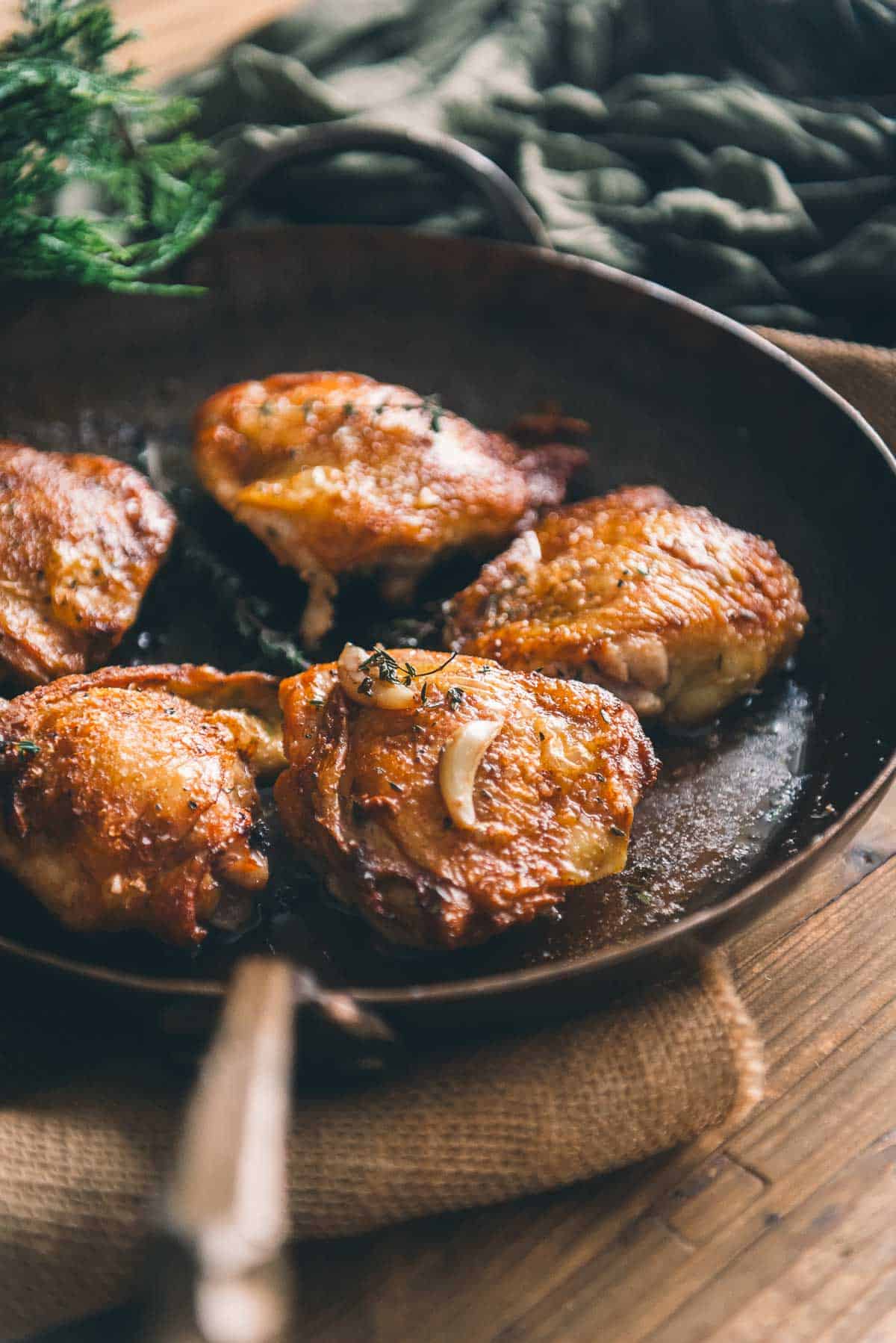
For thighs, we pull at 175°F to 185°F. At 165°F the connective tissue has only started to soften, and Tasting Table’s breakdown of dark meat temperatures makes the same case: the extra heat turns collagen into gelatin and the meat goes from chewy to tender. Cook a breast to 180°F and you get sawdust.
Thighs still have a limit. Leave them on a ripping hot grill long past that range and the edges go stringy and dry like anything else. A thermometer still earns its spot in the drawer.
💰 Are chicken thighs really cheaper?
Usually, yes, but not by half. The fair comparison is boneless to boneless. In USDA’s National Retail Report for chicken from August 16, 2024, the national weighted average advertised price was $2.56 a pound for boneless skinless thighs against $2.87 for boneless skinless breasts. Bone-in thighs came in at $1.31.
That bone-in number is where the “half the price” claim you see online comes from, and it is not a fair fight. Part of what you pay for in a bone-in thigh is bone. Prices move week to week and store to store, so check the per-pound sticker against the same style of cut before you decide a deal is a deal.
⚖️ When chicken breast is the better call
Breast has a place in our kitchen and it should in yours. It slices into clean, even medallions for a sandwich. It pounds into a thin cutlet for schnitzel or chicken parm without the knots of fat and sinew a thigh brings. Cold chicken salad tastes cleaner with white meat. And if you are counting fat, breast is the leaner cut.
The trick with breast is respecting how little margin it gives you: brine it, pound it to an even thickness, and pull it right at 165°F.
🛒 What to look for at the meat counter
Look for air-chilled chicken when you can find it. Most birds are chilled in cold water after processing and soak some of it up, and since a 2001 federal rule the package has to state the maximum percentage of retained water. Products that can show they hold none may carry a “no retained water” claim instead. Less water in the pack means better browning in the pan.
- Pieces close to the same size, so they finish at the same time
- Pink flesh with no gray patches, the same rule as any fresh meat
- Skin-on, bone-in if you want crispy skin and the lowest price per pound
- Family packs if you plan to batch cook or freeze
🔪 How to debone a chicken thigh
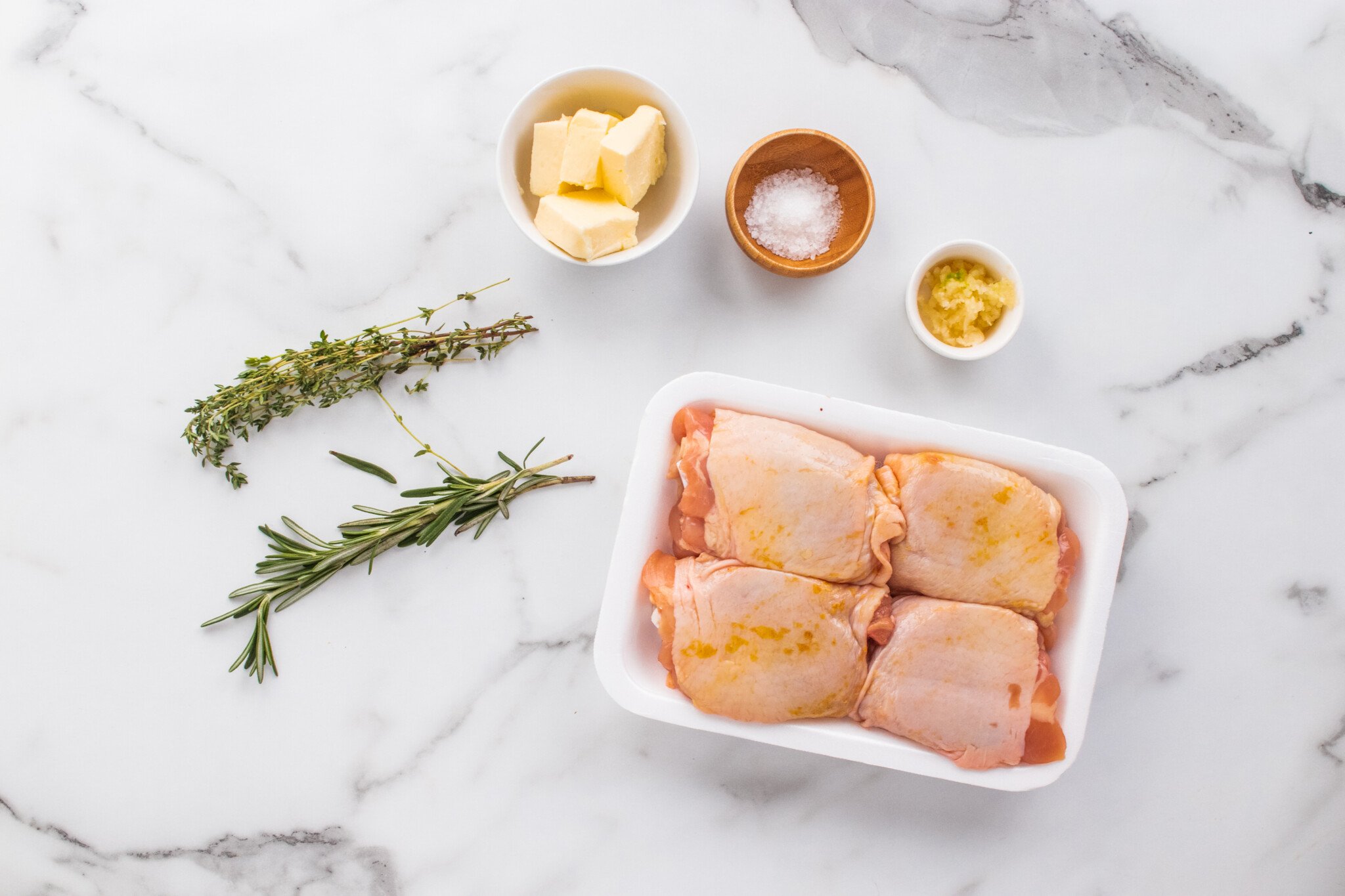
Boneless thighs cost more than bone-in, so doing it yourself saves money and leaves you with bones for stock. It takes about a minute a thigh once you’ve done a few.
- Lay the thigh skin side down so the bone faces up.
- Run the tip of a sharp boning knife along both sides of the bone, keeping the blade tight against it.
- Cut under the bone and around the knuckle at each end to free it, then trim any loose fat and open the meat flat so it cooks evenly.
🔥 How to get crispy chicken thigh skin
Crackly skin starts with dry skin. Pat each thigh completely dry with paper towels and salt it with kosher salt, ideally an hour ahead or overnight, uncovered, in the fridge.
Lay the thighs skin side down in a cold cast iron skillet and set it over medium heat. Starting cold lets the fat under the skin render out slowly instead of the skin scorching before the fat has gone anywhere. Once the skin is deep golden, slide the skillet into a 425°F oven to finish. Our easy pan-seared chicken thighs walk through it start to finish.
🧊 Batch cooking and freezing chicken thighs
Thighs reheat better than breasts for the same reason they cook better, which makes them the cut to buy in bulk. Roast a full family pack on Sunday and shred whatever you don’t eat for tacos, grain bowls and salads through the week. Change the seasoning on each tray so Thursday’s dinner doesn’t taste like Monday’s.
For the freezer, season raw thighs in their marinade, vacuum seal or press the air out of a zip-top bag, and lay them flat to freeze. Thaw them overnight in the refrigerator, not on the counter.

🍽️ Four ways to cook one pack of thighs
One family pack, four completely different dinners. These are the thigh recipes our readers come back to most.
- Chicken paprikash, braised low and slow in a sweet paprika and sour cream sauce
- Air fryer chicken thighs for crisp skin on a weeknight
- Smoked chicken thighs off the pellet grill
- Sheet pan chicken thighs with lemons and potatoes, one pan and done
🥩 Meat Nerd Tips
- Probe the thickest spot. Push the thermometer into the meatiest part of the thigh without touching bone, which reads hotter than the meat around it.
- Salt early. Salting thighs an hour or more ahead seasons the meat deeper and dries the skin for better crisping.
- Save the bones. Freeze bones from deboned thighs in a bag until you have enough for a pot of stock.
- Swap smart. When subbing thighs into a breast recipe, keep the method and cook to 175°F instead of 165°F.
Quick Summary
Chicken thighs beat breasts for most cooking because their extra fat and connective tissue keep them juicy across a wider temperature range. They are safe at 165°F and best at 175°F to 185°F. Boneless thighs usually cost somewhat less than boneless breasts, not half as much, and breast is still the better pick for cutlets, clean slices and lean meals.
❓ FAQs
In most braises, stir fries, grilled dishes and sheet pan dinners, yes. Keep the method the same, plan on a few extra minutes and cook to 175°F. Skip the swap for recipes that depend on thin, even cutlets.
Bone-in, skin-on thighs are cheaper per pound and give you the crispiest skin. Boneless skinless thighs cook faster and work better for kebabs, stir fries and shredding.
A little, because you are aiming 10 to 20 degrees higher. Boneless thighs are often thinner than a whole breast, though, so on the grill or in a skillet the total time ends up close.
📚 Keep reading
- How to grill perfect chicken thighs, for juicy meat and crisp skin over the fire
- The economy’s down, but chicken thighs are still cheap, more ways to stretch a pack
- All our chicken recipes, from wings to whole birds
Hungry for more? Subscribe to our newsletter and become part of the world’s best meat community! From grilling tips to smoky secrets, we send you the best recipes, guides, and expert advice to master every cut.











I agree chicken thighs are more economical, and if you cook them skinless, they’re almost as “healthy” as chicken breasts. I’ll even admit they are tastier. But as someone who was raised just on white meat chicken, they have a “mouth feel” I just can’t stand. I want to like them, but 50+ years of culinary programming is difficult to overcome