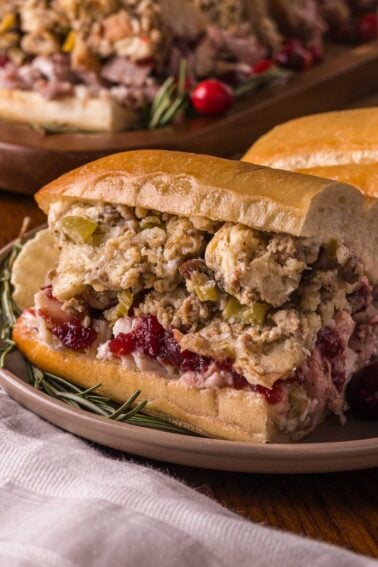
We’ve all had a blunder when cooking the holiday feast. We asked our Facebook readers and chuckled along as they confessed the turkey mistakes they’ll never make twice, from a giblet bag roasted right along with the bird to a probe thermometer that was quietly reading Celsius. Thanksgiving is Thursday, Nov. 26, so here are the best (or worst) of them, plus the rescue plan for each.
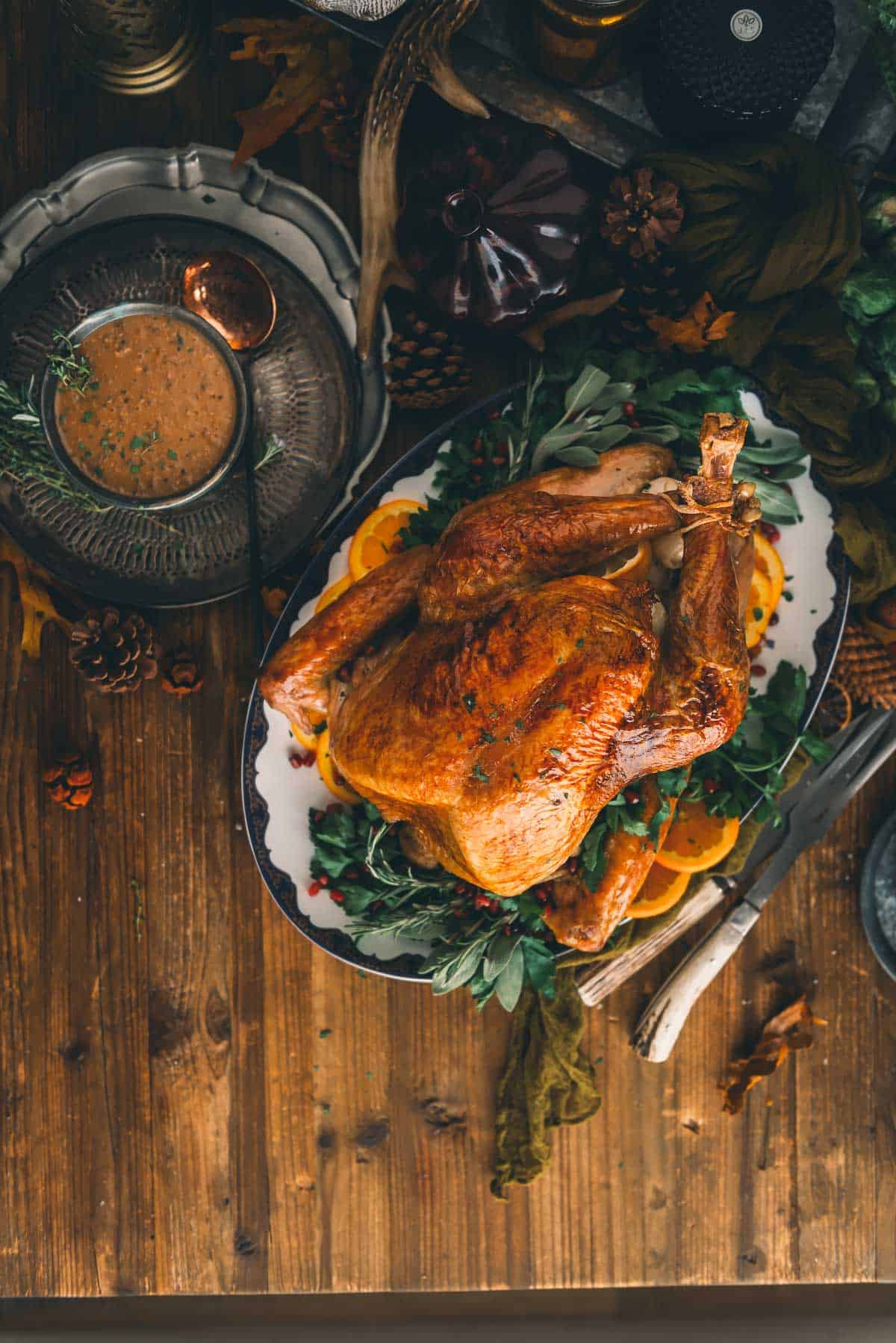
Check both ends for the giblet bag
If you’ve ever carved into a turkey and hit paper, you’re in good company. Katherine, one of our Facebook readers, confessed to “Leaving the innards bag while cooking the turkey.” In her defense, she wrote, “I was 21, cooking Thanksgiving dinner for the 1st time.”
The fix takes ten seconds. The USDA’s turkey roasting guide says to remove the giblets from the turkey’s cavities, plural, after thawing and cook them separately. Reach into both ends of the bird, the big body cavity and the neck flap, and pull out the neck and the giblet bag before it goes in the oven.

Set the thermometer to Fahrenheit and check the batteries
Nothing humbles a cook faster than a thermometer reading the wrong scale, or one that won’t turn on at all. Gary learned this one the hard way: “Not knowing that my temperature probe was set to Celsius instead of Fahrenheit.” For Jason, the trouble was power: “Running out of battery power in BOTH my Thermapen & Javelin thermometers!!! Mise en Place: buy fresh batteries!!” Two thermometers and zero working batteries, and we can hear those exclamation points from here.
Do this tonight, not Thursday morning: make sure every thermometer in the drawer reads in °F and put in fresh batteries. It’s the one tool that tells you when the bird is done, and our turkey cooking time chart is built around it.
Still frozen? Switch to a cold water thaw
This one didn’t come from the thread, but if your turkey is still in the freezer, it’s the most urgent fix on this list. Fridge thawing takes about 24 hours for every 4 to 5 pounds, according to the USDA and our guide to thawing a turkey. That puts a 16 to 20 pound bird at 4 to 5 days, so a big turkey that’s still solid this close to Thursday needs a faster plan.
Leave the turkey in its wrapper, make sure no water can leak in, and submerge it in cold tap water, changing the water every 30 minutes. The USDA says to allow about 30 minutes per pound, so a 12 to 16 pound turkey needs 6 to 8 hours. Cook it as soon as it’s thawed, and skip hot water and the countertop, however tempting they are. If Thursday still goes sideways, our Thanksgiving emergency fixes cover the rest of the feast.
Brine it, then tie it
Some regrets show up the second you slice into a dry breast. Greg kept his answer short: “Not brining and trussing.” Four words, two regrets, and both are still fixable before Thursday if you salt the bird a day ahead.
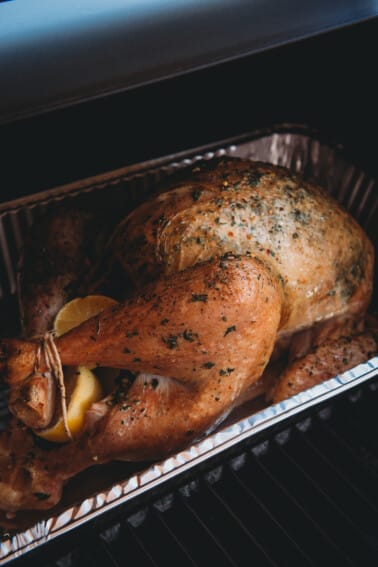
Our dry brine takes about fifteen minutes of work: salt the bird and leave it uncovered on a rack in the fridge for 24 to 48 hours. The surface dries out while the salt works into the meat, and that dry skin is what crisps in the oven. If you’d rather go wet, our wet brine guide has the full recipe, as long as you can keep five gallons of salted water cold in a fridge already packed with pie. Then tie the legs with kitchen twine using our guide to trussing a turkey, so the bird stops doing the splits in the oven.
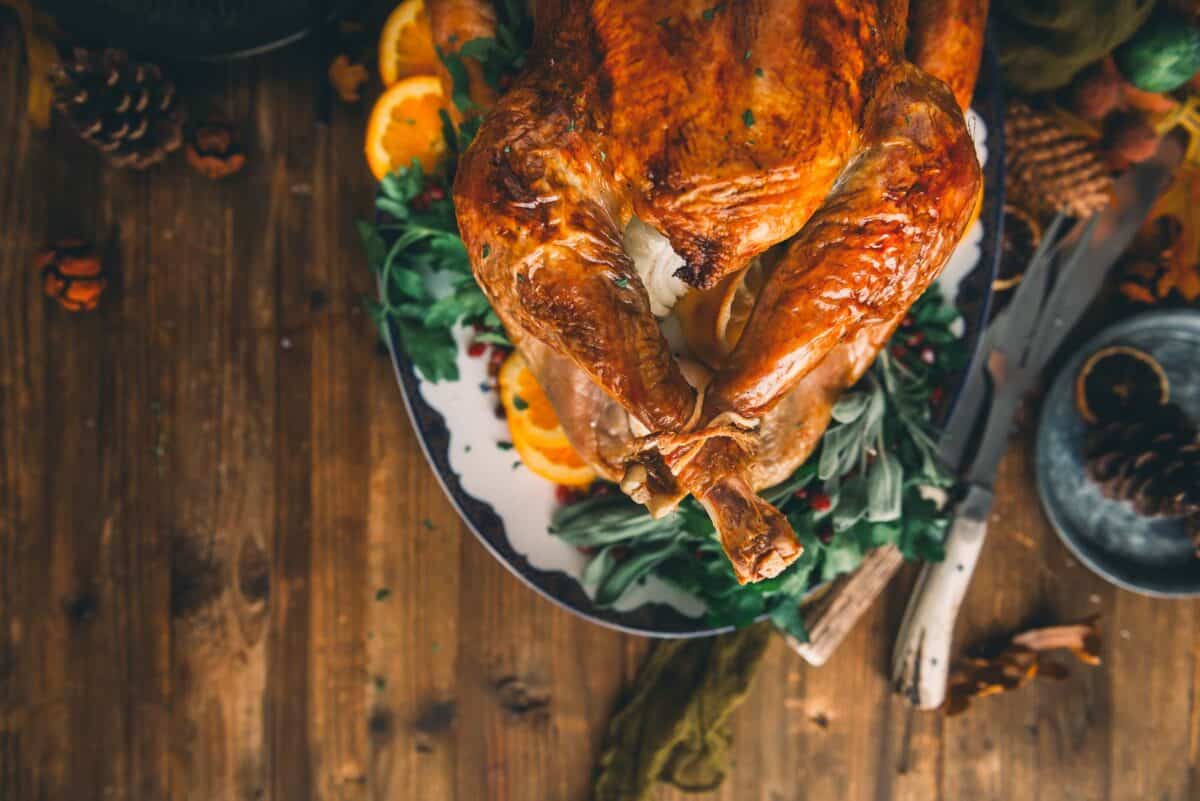
Spatchcock it once and see
Erin’s confession is a victory lap in disguise: “Not spatchcocking it. I will never go back.” Spatchcocking means cutting out the backbone and pressing the turkey flat. A flat 12 to 14 pound bird roasts in about 100 to 110 minutes at 425°F, roughly half the usual time, with crisp skin all over because every inch faces the heat. It looks a little ridiculous going into the oven. Nobody cares once it comes out.
Cooking yours over smoke instead? Read our tips for smoking your first turkey before you light the fire.
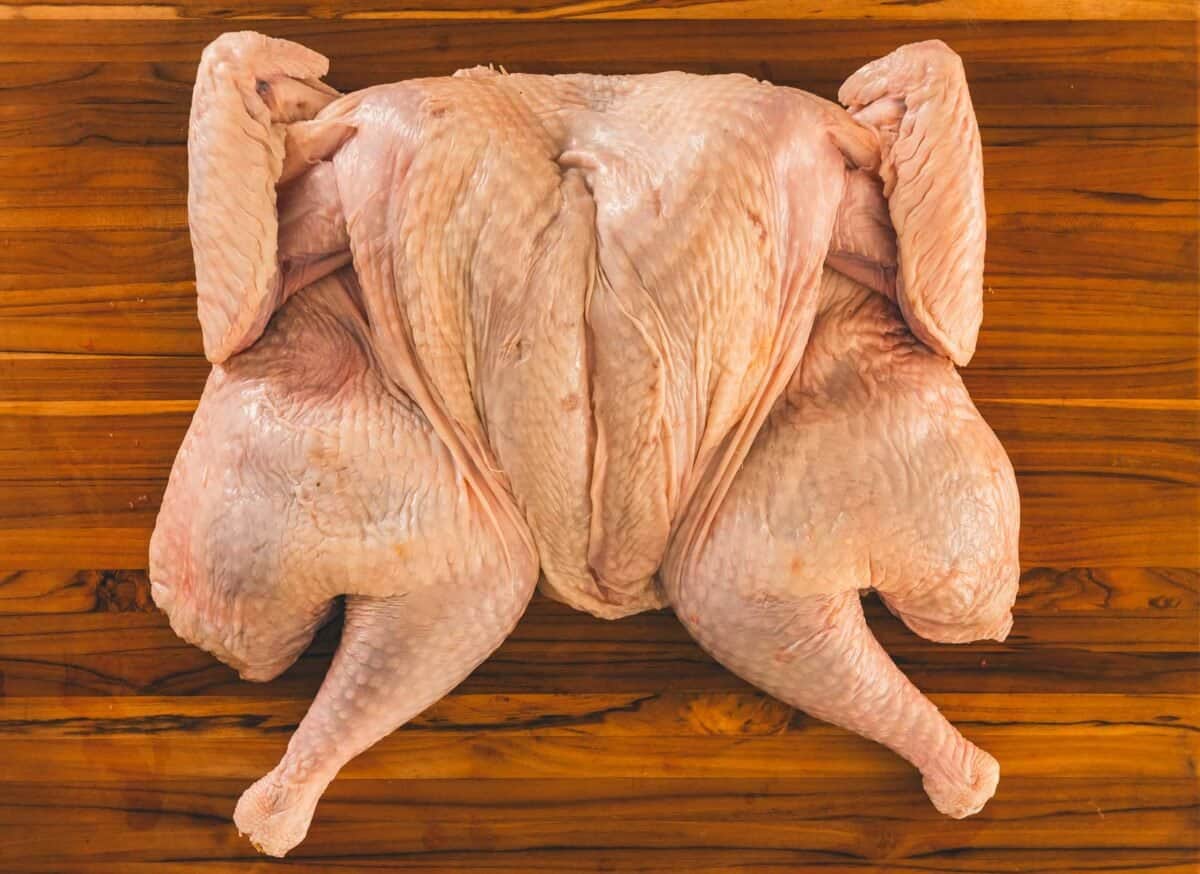
Let it rest before you carve
Now picture the bird looking perfect, everyone hungry and the knife already in your hand. Keith’s lesson came down to patience: “Letting it…Rest, rest, rest.”
Pull the turkey when the thickest part of the breast reads 160°F and the thigh reads 170°F, then walk away. Carryover cooking finishes the job: heat stored in the outer meat keeps moving into the center after the bird leaves the oven, which takes the breast to at least 165°F while it rests. If you stuffed the bird, the stuffing in the center has to reach 165°F too.
The USDA says to let the turkey stand 20 minutes before carving, and our chart rests it 30 minutes, loosely tented with foil. Use that half hour to finish the gravy and pour one of our Thanksgiving cocktails.

Save this post now so every fix is one tap away on Thursday. Want tested holiday cooking in your inbox every week through Christmas? Get the Girl Carnivore email.
Still picking a method? Our Thanksgiving turkey recipes cover smoked, roasted and spatchcocked birds in one place, so next year’s confession can be about the pie.
Turkey mistakes, answered
Pull it when the thickest part of the breast reads 160°F and the thigh reads 170°F. Carryover heat keeps moving into the center while it rests, which takes the breast to at least 165°F. Stuffing cooked in the bird has to reach 165°F too.
In the fridge, allow about 24 hours for every 4 to 5 pounds, so a 16 to 20 pound bird needs 4 to 5 days. In cold water, allow about 30 minutes per pound, change the water every 30 minutes and cook the turkey as soon as it’s thawed.
Check both ends of the bird, the main body cavity and the neck cavity. Pull out the neck and the giblet bag after thawing and before roasting, and cook them separately.
The USDA says 20 minutes. We rest ours 30 minutes, loosely tented with foil, which also gives you time to finish the gravy.