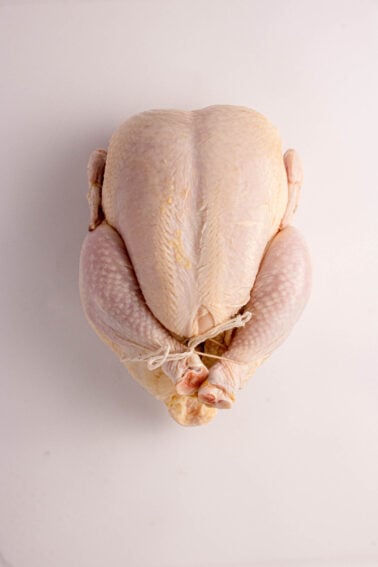
There’s been a debate getting pretty heated on social media again. Washing your chicken…. If you’re wondering whether you should rinse that chicken before it goes in the pan? The answer is no, and the USDA put 300 home cooks through test kitchens to show why.
In a 2019 USDA observational study, 60 percent of home cooks who washed raw poultry had bacteria in their sink afterward, and 14 percent still had it there after they tried to clean the sink. Twenty-six percent of the washers carried it from the chicken onto the salad lettuce they made next.
The fix costs you a few paper towels. Blot it dry, cook it to temperature, and keep the sink out of it.
🐔 Why the rinse feels right
We get the instinct. Raw chicken comes out of the package a little slick, sometimes with a stray bone chip or a puddle of pink liquid, and running it under the tap feels like cleaning it. Plenty of us learned it from the person who taught us to cook.
The trouble is that water can’t do the job we’re asking of it. FSIS says it plainly in its Chicken from Farm to Table guide: rinsing or soaking chicken does not destroy bacteria. The 2019 USDA release goes further and says washing, rinsing or brining raw poultry in salt water, vinegar or lemon juice doesn’t destroy bacteria either. All the rinse can do is move whatever is on the surface somewhere else.
🚰 Your sink is the problem
Most of us picture the risk as spray: drops of chicken water flying onto the counter. The USDA study points somewhere less obvious. FSIS contracted RTI International, working with North Carolina State University, to run 300 people through meal prep in test kitchens in North Carolina, and the chicken thighs they cooked were spiked with a harmless, traceable strain of E. coli so researchers could follow exactly where it went.
The tracer turned up in the sink. The study’s executive summary concludes that microbes harbored in the sink, from the chicken, its packaging or contaminated hands, are a larger concern than splashing onto the counter. A sink holds on to what you rinse into it, and the lettuce, the herbs and your hands go through that same sink next.
One more number matters here. Even cooks who skipped the rinse got bacteria from the chicken onto their salad lettuce; the USDA release puts it at 31 percent of non-washers. Hands and packaging travel too, which is why the fix below covers more than the faucet.
🌡️ Heat does the work
FSIS puts it simply: cooking to the right temperature kills germs on meat and poultry, so washing is risky and not necessary for safety. The USDA safe minimum for all poultry is 165°F.
At GC we finish white meat at 165°F and take dark meat to 175°F, because thighs and drumsticks carry more connective tissue and get far more tender with those extra degrees. Our meat temperature guide has every number in one place, and if you’ve been cooking only breasts, here’s why we reach for thighs.
Check it with a Thermapen. FSIS says the color of cooked chicken is not a sign of its safety, and on a whole bird it wants the reading taken in the innermost part of the thigh and wing and the thickest part of the breast. FSIS notes that pink in fully cooked chicken can come from hemoglobin in the tissue, so the probe is what settles it.
✅ What to do instead of rinsing
Make the salad first. The USDA’s first recommendation from the study is to prepare uncooked foods like vegetables and salads before you touch raw meat or poultry, so nothing raw ever shares the space with them.
Then set the chicken on a rimmed sheet pan or its own cutting board, blot it all over with paper towels, and throw those towels straight in the trash. If there’s a bone chip or a bit you want gone, the USDA says to pat that spot with a damp paper towel and wash your hands right after. Dry skin browns, and wet skin steams, so this step pays off at the stove as much as at the sink. It matters even more when you spatchcock a whole bird and want every inch of skin crisp.
Keep one board and one knife for raw chicken and a separate set for everything else. Wash your hands with soap for at least 20 seconds after handling the raw bird, and before you touch the salt cellar, the pepper grinder or your phone.
🧂 Brined or marinated chicken
Brines and marinades bring their own rinse temptation. Some brine recipes tell you to rinse the bird before it cooks, and marinades can feel too thick to leave on.
FSIS says brining serves no purpose for food safety; it’s a flavor choice. If you wet brine, pour the soak out carefully, never reuse it, and clean and sanitize everything it touched. Then lift the chicken out, let it drip, and blot it dry with paper towels instead of running it under the tap. If a brined bird tastes too salty, the brine was too strong or ran too long, and the fix belongs in the next batch rather than the sink.
For marinated chicken, scrape off the excess with a paper towel or the back of a knife so it sears instead of scorching. A dry brine skips the whole problem: kosher salt on the skin, the bird uncovered on a rack on the bottom shelf of the fridge overnight, and nothing to pour out the next day. It’s the backbone of our crispy chicken skin method.
🧼 Already rinsed it? Clean the sink right
No guilt, just a two-step reset. Scrub the sink and the counters around it with hot, soapy water first, then disinfect.
FSIS gives a homemade disinfectant for sinks, countertops and other surfaces: five tablespoons (one-third cup) of unscented liquid chlorine bleach to one gallon of water. Let it sit at least one minute, wipe it clean with a paper towel, and make sure the sink is completely dry before you use it again. Remember the 14 percent from the study, the cooks whose sinks still carried bacteria after they cleaned. Soap first, disinfectant second.
🥩 Meat Nerd Tips
- Open the pack on a sheet pan. The purge stays on the pan instead of running toward the sink, and the pan goes straight into hot, soapy water when you’re done.
- Dry brine the night before. Kosher salt and an uncovered night on a rack in the fridge give you seasoned meat and dry skin with zero rinsing.
- Temp dark meat higher. Finish white meat at 165°F and let thighs and drumsticks ride to 175°F for meat that pulls cleanly from the bone.
- Probe the right spot. On a whole bird, check the thickest part of the breast and the innermost part of the thigh and wing with a Thermapen.
Quick Summary
Don’t wash raw chicken. USDA research found that rinsing leaves bacteria in the sink, where it can reach the next thing you prep, and water can’t destroy bacteria on the bird anyway. Blot it dry with paper towels, keep raw and ready-to-eat food apart, and cook to temperature with a Thermapen.
❓ FAQs
No. FSIS advice against washing covers all raw poultry, turkey included. Blot the bird dry with paper towels and cook it until a thermometer reads 165°F in the thickest part of the breast and the innermost thigh.
Same answer. FSIS says washing raw poultry, beef, pork, lamb or veal before cooking is not recommended, because cooking to the right temperature is what kills germs. Pat the meat dry so it browns.
Use paper towels and throw them away right after. A cloth towel picks up whatever is on the chicken and carries it to the next thing you wipe.
No. FSIS says the color of cooked chicken is not a sign of its safety, and pink can come from hemoglobin in the tissue. Go by the thermometer reading.
📚 Keep reading
- Crispy chicken skin, the dry-skin method that replaces the rinse
- Meat myths from social media, six more kitchen habits checked against the rules
- Poultry recipes, every chicken and turkey cook on GC
Hungry for more? Subscribe to our newsletter and become part of the world’s best meat community! From grilling tips to smoky secrets, we send you the best recipes, guides, and expert advice to master every cut.