Seafood is unforgiving. A great fillet can turn questionable fast if you don’t store it properly. These are the exact rules we follow in the test kitchen to keep salmon safe, fresh, and ready to cook—whether you’re serving it raw or roasting it for dinner.
🧊 How to Store Fresh Salmon (Before Cooking)
1. Keep it cold — 32–38°F
Colder than your normal fridge zone.
Store salmon on the bottom shelf, where temperatures stay stable.
2. Use a tray + paper towels
Set the fillet on a plate or tray lined with dry paper towels.
This wicks moisture away and prevents mushy flesh.
3. Wrap loosely
You want airflow—not suffocation.
Plastic wrap plus a loose foil tent keeps the surface protected without trapping humidity.
4. Cook within 1–2 days
Seafood doesn’t wait around. The clock starts as soon as you buy it.
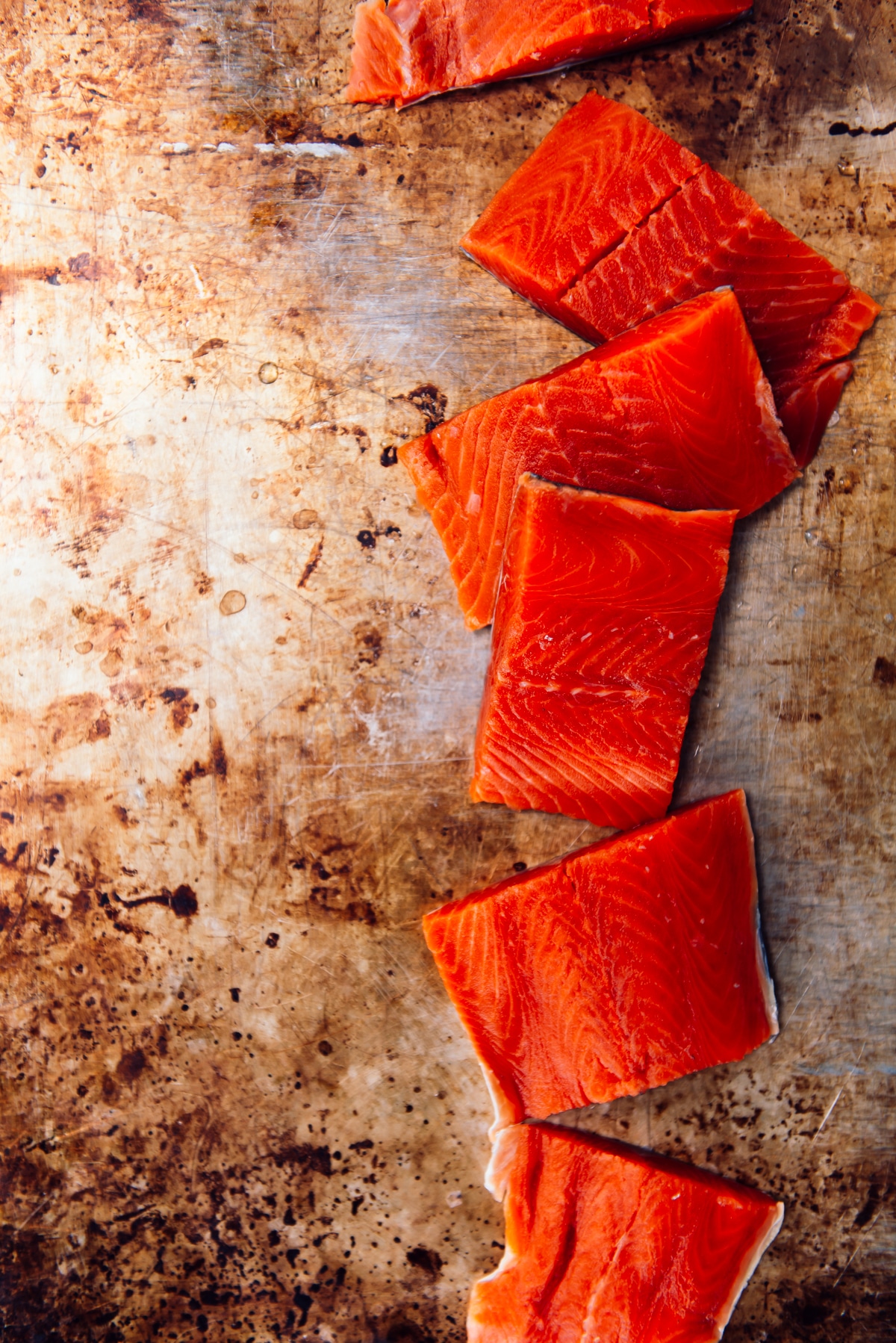
🥶 Can You Freeze Salmon?
Yes—especially if you’re using it for raw dishes like tartare or poke.
- Freeze at 0°F for at least 24 hours to reduce parasite risk in wild-caught salmon.
- Thaw slowly in the refrigerator, never on the counter.
- Texture stays best if you freeze once, thaw once, cook soon after.
Frozen salmon that’s been handled well is often better than “fresh” fillets sitting in a case for days.
🍣 How to Store Salmon for Raw Preparations
If you’re making tartare, poke, or crudo:
- Buy salmon the same day you serve it
- Keep it chilled right up until prep
- Dice right before serving
- Never store mixed tartare
- Discard leftovers — raw seafood is not a “next-day” meal
Raw dishes are simple but demand respect. Temperature and freshness matter more here than anywhere else.
🍽️ How to Store Cooked Salmon
- Wrap tightly or store in an airtight container
- Refrigerate for up to 3 days
- Reheat gently in a warm skillet or low oven
- Do not microwave — it dries out instantly
Great ways to use leftover salmon:
- Salmon cakes
- Rice bowls
- Pasta dishes
- Salads
- Sandwiches
- Fried rice
Good storage habits keep your salmon safe and dramatically improve texture and flavor. It’s one of the fastest ways to cook better without buying anything new.
❓ FAQs: How to Store Salmon Safely
Fresh salmon is best within 1–2 days. Keep it on a tray lined with paper towels in the coldest part of your fridge (32–38°F).
Usually not. If it smells sour, feels sticky, or looks dull, discard it. When in doubt, don’t eat it.
Yes. Wrap it tightly and freeze at 0°F. Freeze wild salmon for at least 24 hours before using it in raw dishes like tartare or poke.
Thaw salmon slowly in the refrigerator. Avoid thawing on the counter—this causes uneven warming and texture loss.
Cool it quickly, then refrigerate in an airtight container for up to 3 days. Reheat gently in a low oven or warm skillet.
Too much moisture. Store salmon on paper towels so excess liquid doesn’t break down the flesh.
Yes—cold leftover salmon is great flaked into salads, rice bowls, sandwiches, and pasta.
More Salmon Basics
- Seafood Buying Guide — how to choose fish that’s worth cooking
- Raw Fish Safety Tips — simple rules for handling raw seafood at home
- Salmon Internal Temperature Guide — from raw to well done
- Seafood Tools Buying Guide — the gear that makes seafood easier, cleaner, and more consistent
- How to Tell if Salmon is Done — visual and tactile cues chefs rely on
Want dishes that use these techniques? Explore all our Seafood Recipes.