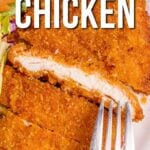
If your breading falls off, it’s not the chicken. It’s the process. You’ve pulled a cutlet from the pan and watched half the coating slide away. Or sliced into something golden and found dry, chalky meat inside. Or worse… a crust that looks right but feels greasy five minutes later.
All of that is fixable. The solution is in how you bread the chicken.
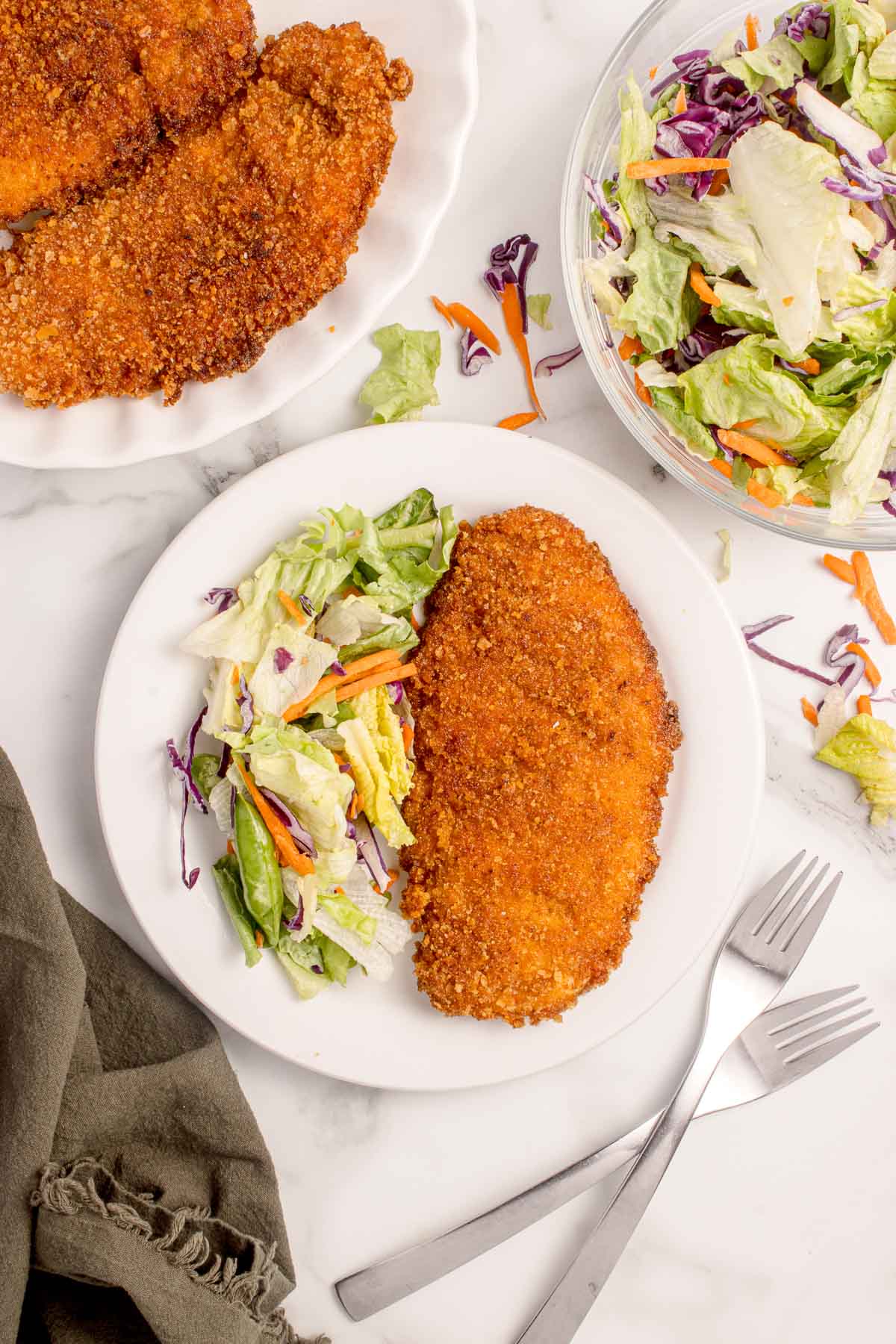
The three places people lose the crust: not patting the chicken dry before it goes in the buttermilk, not pressing the Panko in firmly enough, and skipping the 10-minute rest before frying. The coating needs time to bond to the meat, and if you rush straight from breading to hot oil, it doesn’t get that chance.
Seasoning only the crust is how you end up with bland chicken under pretty crumbs. Season both the buttermilk soak and the Panko coating, so every bite is seasoned all the way through, not just on the surface. The buttermilk tenderizes the chicken while adding a little flavor. The rest – a crucial step – sets the crust. The Panko gives you that open, airy crunch that holds up even after it cools.
We’ve tested the soak times. Thirty minutes works. Two hours improves texture. After four, the acid starts working against you. Overnight softens the exterior too much and weakens adhesion. Four hours is the ceiling.
Dial in the oil temperature. Follow the steps. You walk away with crisp, golden, properly cooked chicken every time.

Ingredients for Perfectly Breaded Chicken
Chicken & Buttermilk Marinade
- Boneless, skinless chicken breasts, sliced into even ½–¾ inch cutlets
- Buttermilk (full-fat preferred)
- Onion powder, Garlic powder, & Smoked paprika
- Kosher salt & freshly ground black pepper
Crispy Panko Breading
- Panko breadcrumbs
- Onion powder, Garlic powder, & Smoked paprika
- Kosher salt & black pepper
- Neutral high smoke point oil (canola, vegetable, peanut)
Equipment You Actually Need
- Sharp knife
- Cutting board
- Medium bowl
- Shallow dish
- Cast iron skillet (preferred)
- Wire rack
- Tongs
- Instant-read thermometer
How to Bread Chicken So the Coating Stays On
1. Slice Evenly
Cut breasts into uniform ½–¾ inch cutlets. Uneven thickness leads to dry edges and undercooked centers. Even cutlets cook predictably and hit 165°F at the same time.
2. Pat Dry Before Marinating
Remove surface moisture with paper towels. Surface moisture turns to steam in the pan. Steam lifts the coating. This step prevents most breading failures.
3. Marinate in Seasoned Buttermilk
Combine buttermilk with spices and submerge the chicken fully. Refrigerate 30 minutes to 4 hours.
Buttermilk tenderizes the exterior proteins and creates a tacky surface for adhesion. Do not marinate overnight. Buttermilk is acidic. Leave chicken in it too long and the exterior proteins start to break down, turning the surface mushy instead of tender. Four hours is the sweet spot.
4. Season the Breading Aggressively
Mix Panko with spices and salt thoroughly. Seasoning only the crust is how you end up with bland chicken under pretty crumbs. The marinade + breading combination builds depth.
5. Press — Don’t Toss — the Breadcrumbs
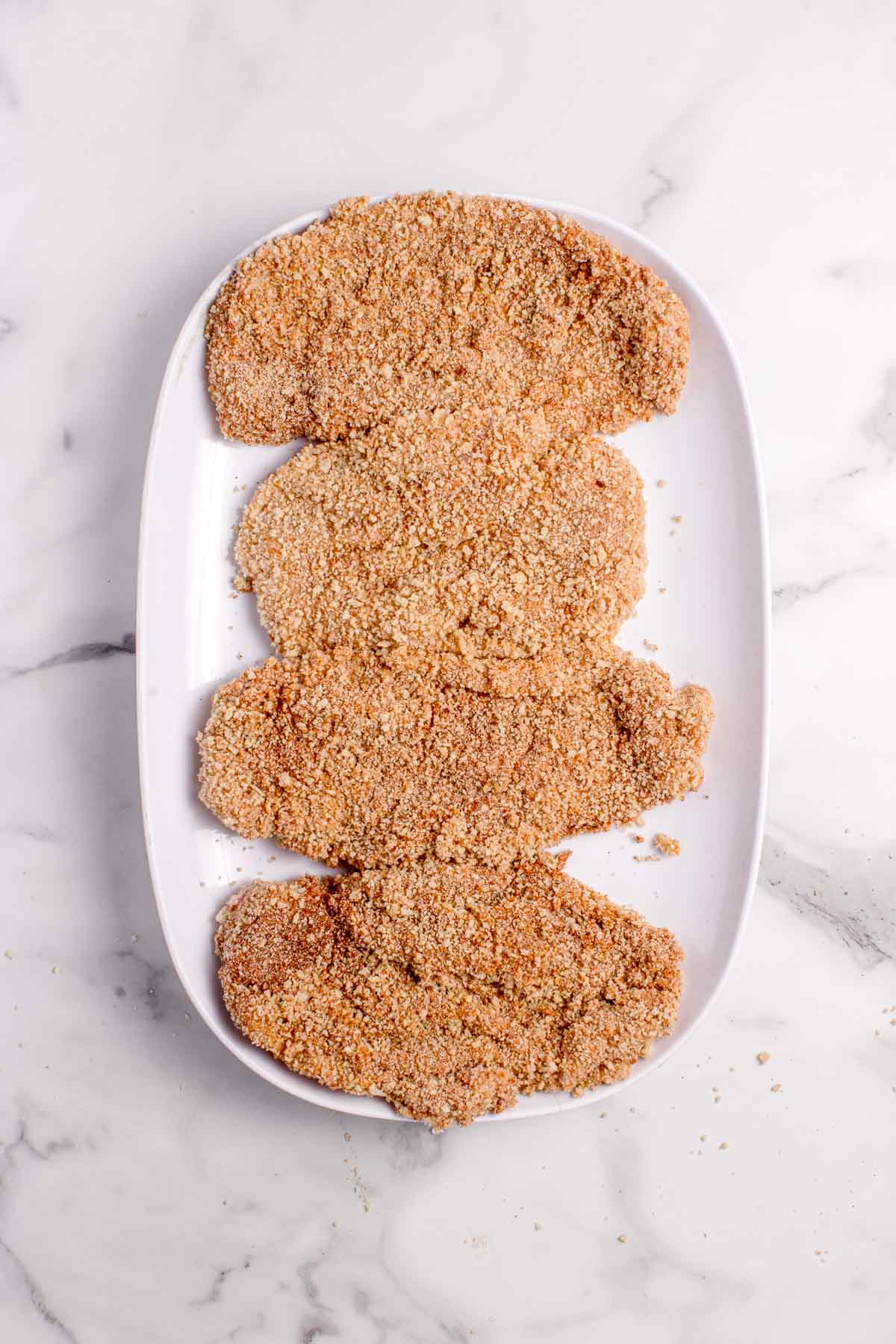
Let excess buttermilk drip off. Press firmly into Panko. Flip. Press again.
Place on a wire rack and rest 10 minutes before frying. That short rest strengthens the bond between coating and meat.
How Long to Fry Breaded Chicken
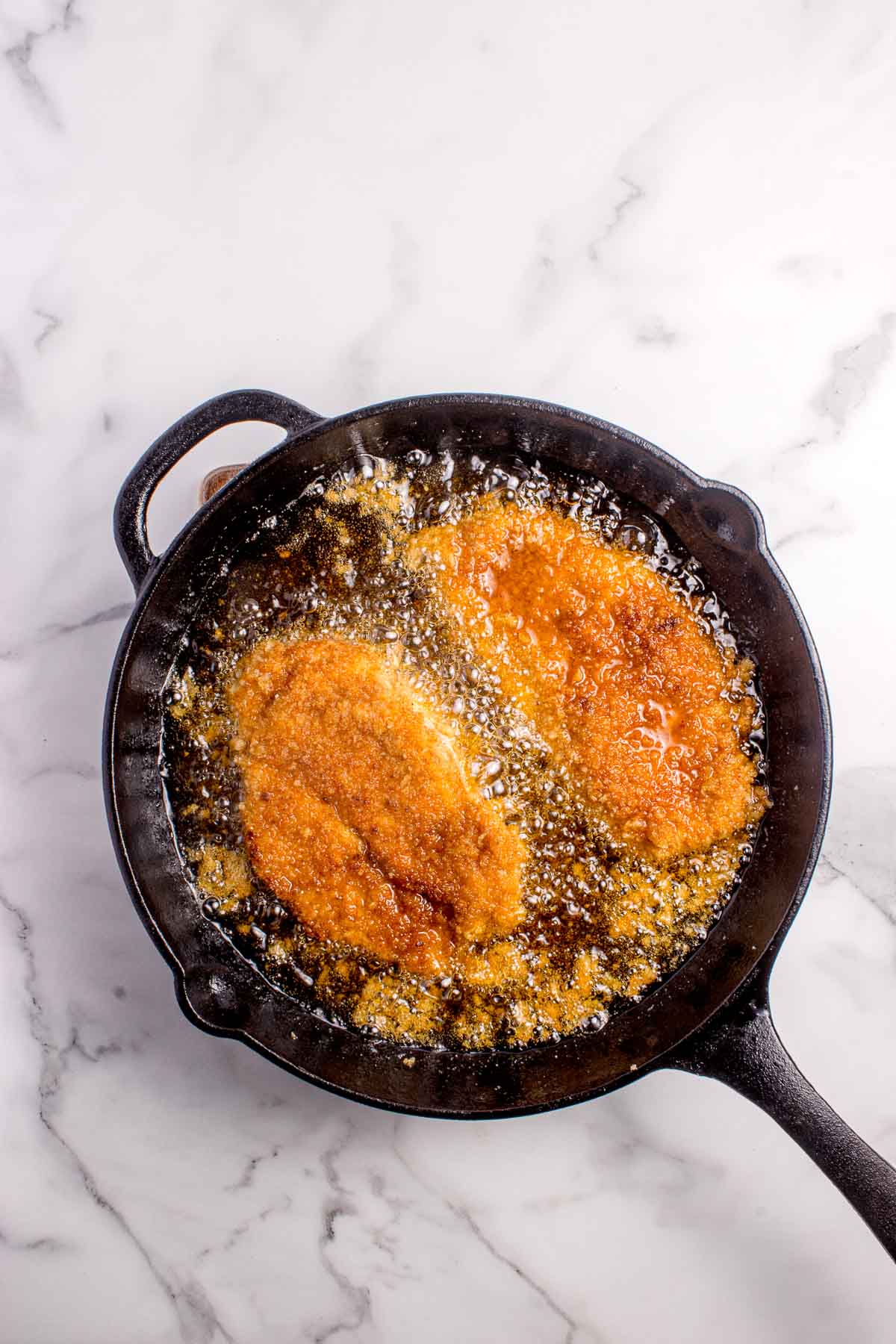
Heat oil to 325–350°F in about ½ inch of oil. Cook for 5–6 minutes per side.
You’re looking for
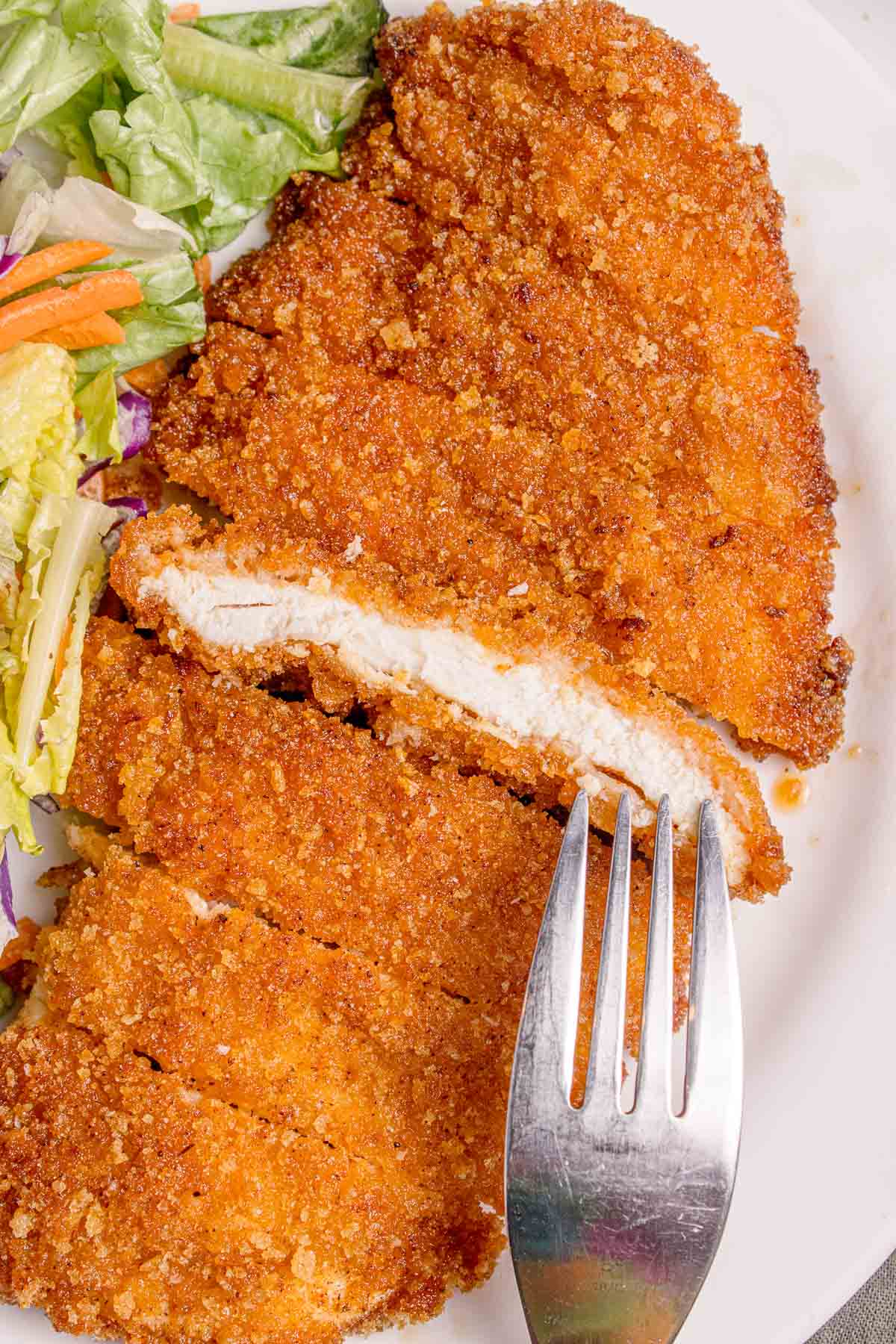
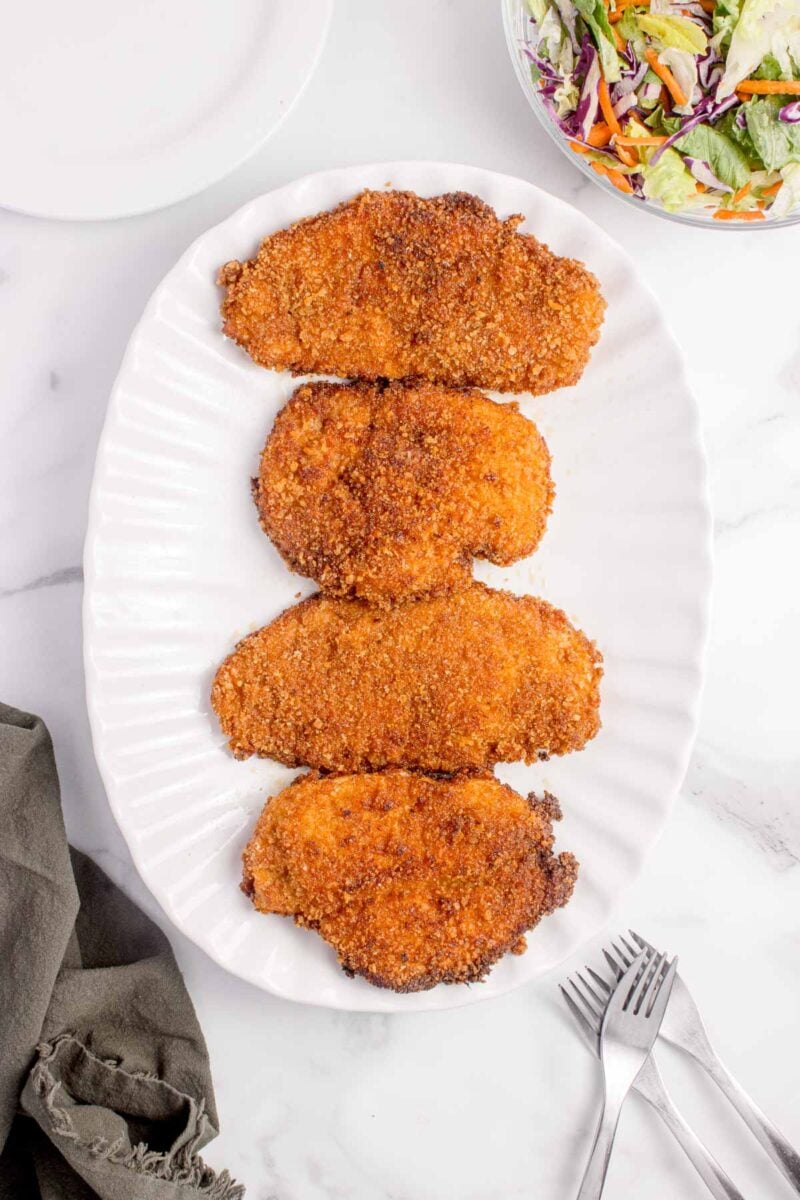
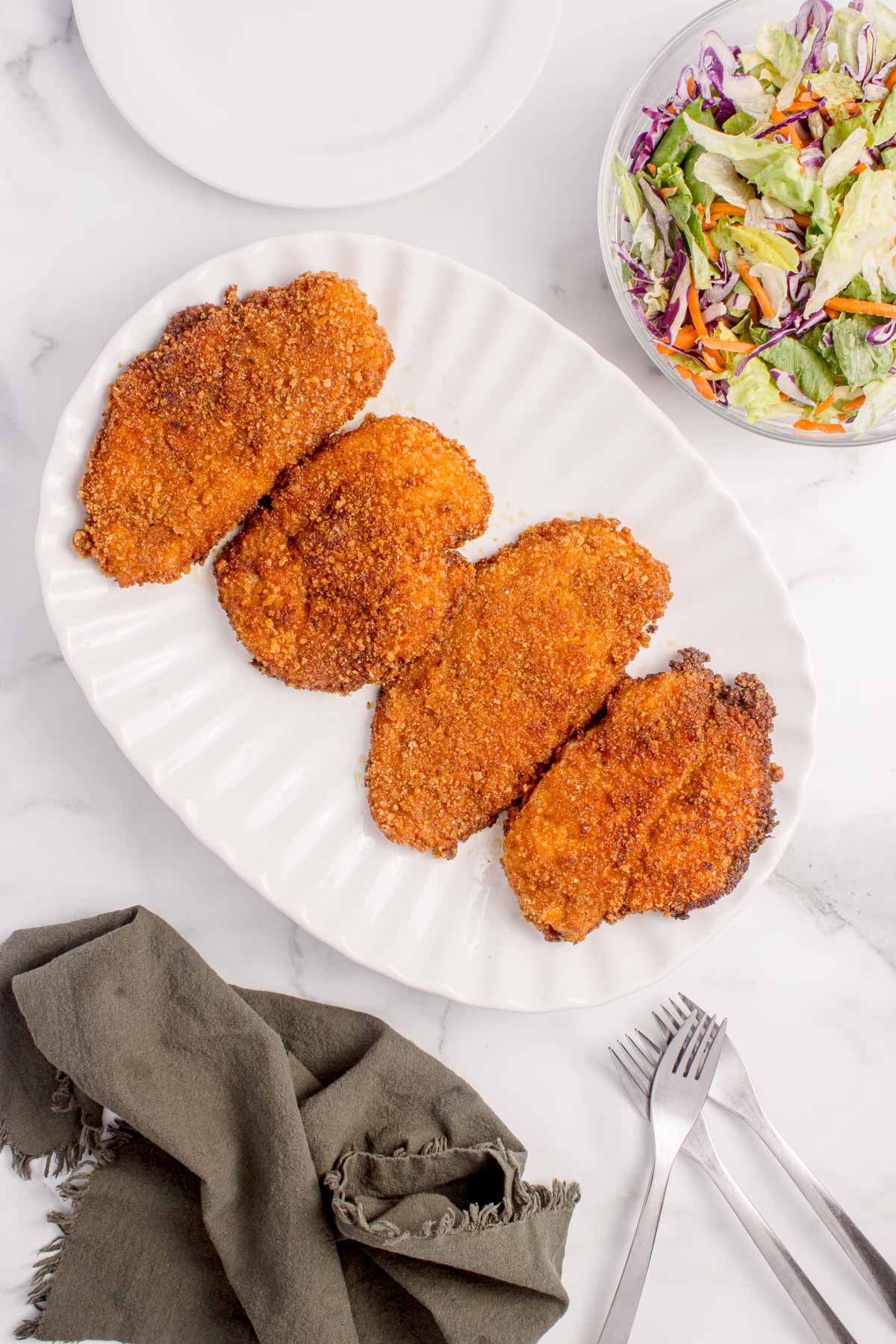
- A deep golden brown crust
- Firm but not hard exterior
- Internal temperature hits 165°F
- Clear juices when pierced
If the crust darkens too fast, your oil is too hot. If it looks pale and greasy, your oil is too cool.
Let the chicken rest on a rack for 3–4 minutes before slicing.
Why Breading Falls Off Chicken (And How to Fix It)
If your crust slides off in one sad sheet, it’s almost always one of these five issues.
1. The Chicken Was Too Wet
Excess surface moisture creates steam in the pan. Steam lifts the coating.
Fix: Pat the chicken dry before marinating, and let excess buttermilk drip off before breading. Damp is good. Dripping is not.
2. You Didn’t Press the Coating On
Breadcrumbs don’t “stick” on their own. They need contact and pressure.
Fix: Press firmly on both sides. You’re building a crust, not dusting flour.
3. You Skipped the Rest
Freshly breaded chicken dropped straight into oil hasn’t bonded yet.
Fix: Let it rest on a wire rack for 10 minutes before frying. That short pause strengthens the coating so it holds during cooking.
4. The Oil Temperature Was Too Low
If the oil isn’t hot enough, the breading absorbs oil before it sets. That leads to greasy, loose crust.
Fix: Maintain 325–350°F and let the oil recover between batches.
5. You Flipped Too Soon
The crust needs time to form a stable structure.
Fix: Leave it alone for the first 4–5 minutes. If it resists when you try to flip it, it’s not ready.
Best Oil for Frying Breaded Chicken
Use neutral oils with high smoke points:
- Canola
- Vegetable
- Peanut
Avoid olive oil. It burns before the crust sets properly.
Can You Bread Chicken Ahead of Time?
Yes. Place breaded cutlets on a rack in the fridge for up to 4 hours. The coating dries slightly and adheres even better when fried. This is one of those counterintuitive tricks that works in your favor.
Storage & Reheating Without Losing Crunch
- Refrigerate up to 4 days.
- Freeze fully cooked cutlets on a sheet pan, then transfer to freezer bags. Use within 2 months.
Best Reheating Methods
- Oven: 375°F for 10–12 minutes on a rack
- Air fryer: 360°F for 6–8 minutes
Avoid microwaving unless you want soggy chicken.
Use This Breading Method in These Recipes
Once you understand the structure, you can apply it anywhere:
- Chicken Fried Chicken with White Gravy – same adhesion principles, deeper fry.
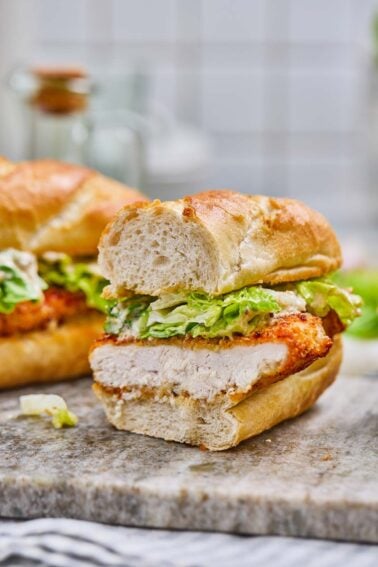
- Fried Chicken Sandwich – thinner cutlets, high-heat shallow fry.
- Air Fryer Chicken Tenders – same pressing + resting step, different cooking method.
- Baked Panko Crusted Chicken – skip the fry, keep the structure.
- Skillet Chicken Parmesan – classic cutlet technique, finished in sauce.
Have you tried this recipe? Do us a favor and rate the recipe card with the ⭐ ⭐ ⭐ ⭐ ⭐ and drop a comment to help out the next reader.
How to Bread Chicken Recipe
Recommended Equipment
- Medium bowl
- Shallow dish, (8×8″)
- Skillet Tongs Paper towels
Ingredients
Chicken & Marinade:
- 2 whole chicken breasts cut into 4 even slices, about ½–¾ inch thick
- 2 cups buttermilk
- 1 tsp onion powder
- 1 tsp garlic powder
- 1 tsp smoked paprika
- ½ tsp kosher salt
- ½ tsp black pepper
Breading:
- 2 cups Panko breadcrumbs
- 2 tsp onion powder
- 2 tsp garlic powder
- 2 tsp smoked paprika
- ½ tsp salt
- ½ tsp black pepper
- Vegetable canola, or peanut oil for shallow frying
Instructions
Prep the Chicken
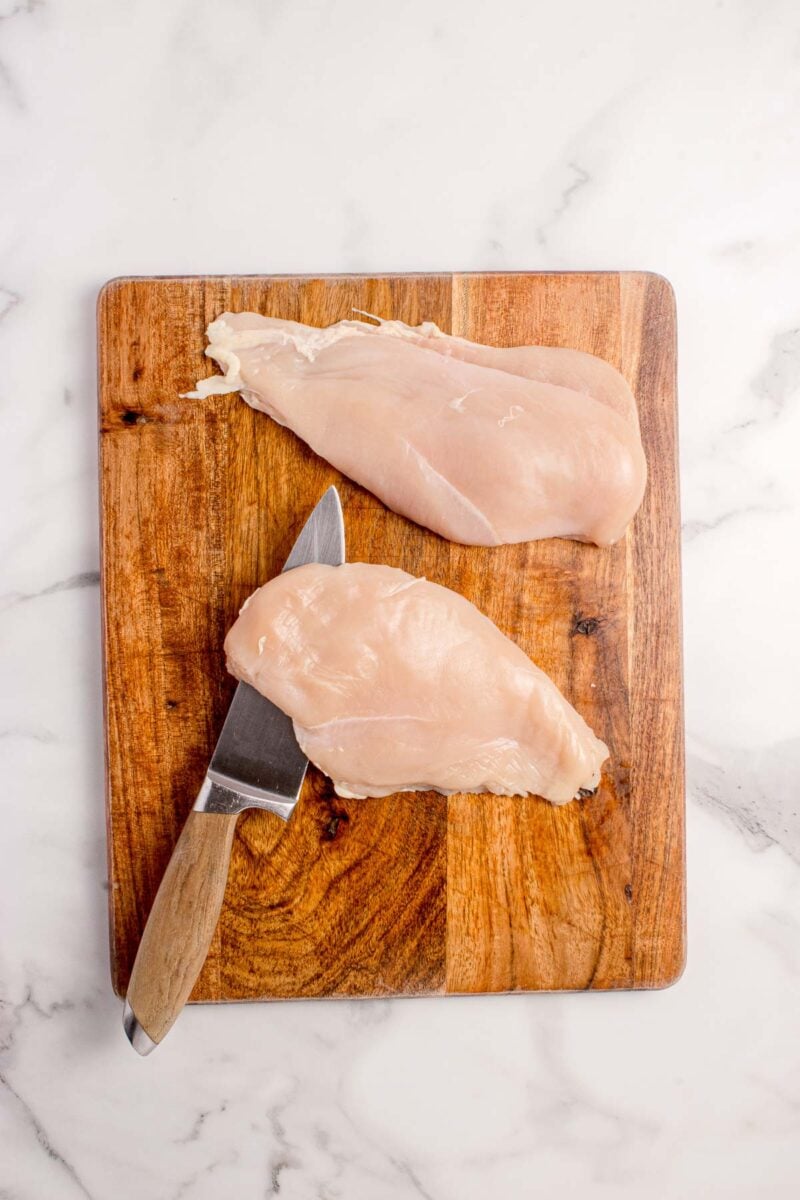
- Slice each chicken breast horizontally into 2 even pieces. You should have 4 slices total. Pat the chicken dry with paper towels to remove excess moisture.

Marinate in Buttermilk
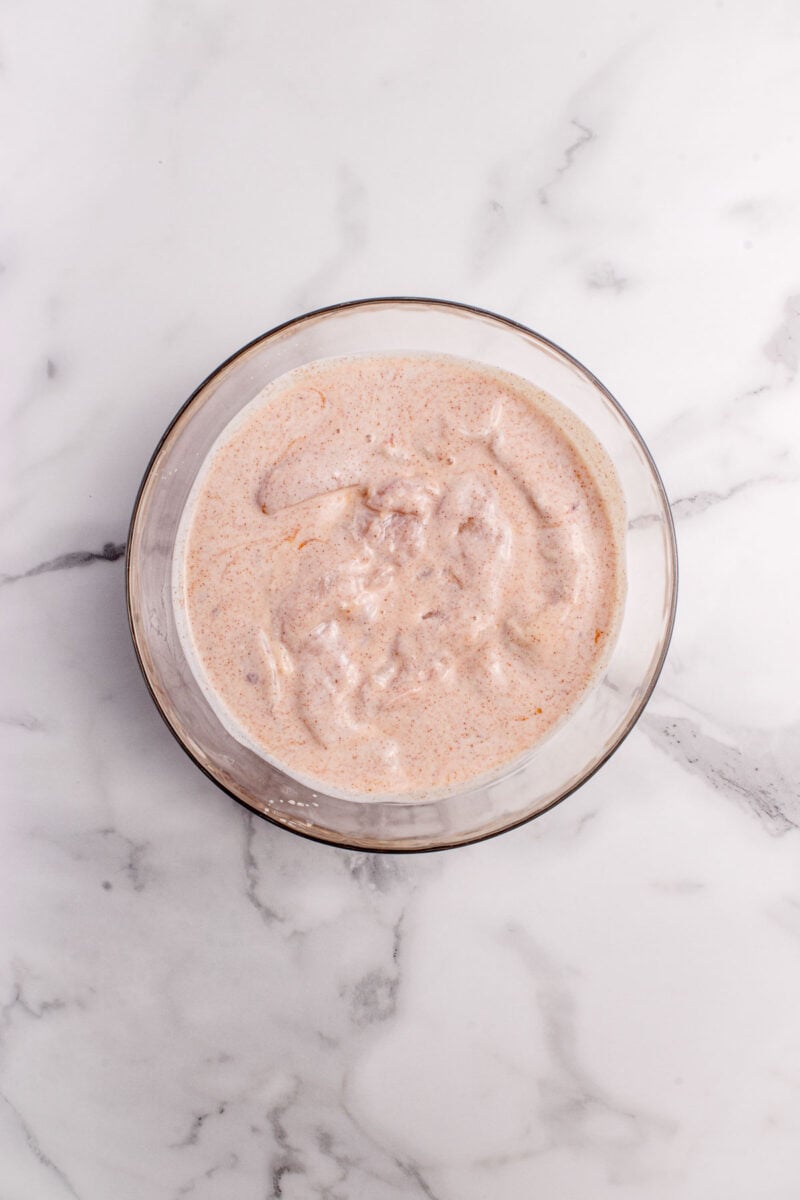
- In a medium bowl, mix buttermilk, 1 tsp onion powder, 1 tsp garlic powder, 1 tsp smoked paprika, ½ tsp salt, and ½ tsp black pepper. Add the chicken slices, making sure they’re fully submerged. Cover the bowl and marinate the chicken in the fridge for at least 30 minutes.
- Tip: Longer marinating makes the chicken more tender and flavorful.
Prepare the Breadcrumbs
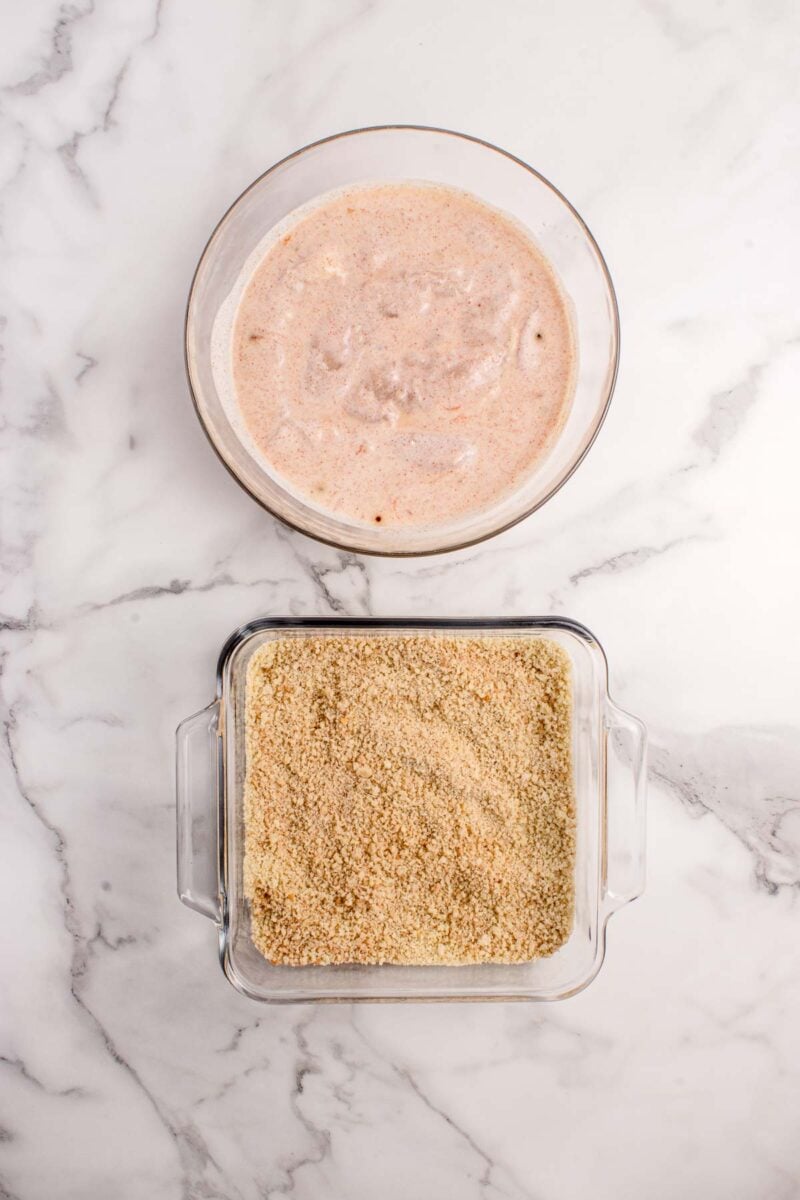
- In a shallow dish (like an 8×8" baking pan), combine Panko breadcrumbs, 2 tsp onion powder, 2 tsp garlic powder, 2 tsp smoked paprika, ½ tsp salt, and ½ tsp black pepper. Mix them all well to evenly distribute the seasonings.
Bread the Chicken
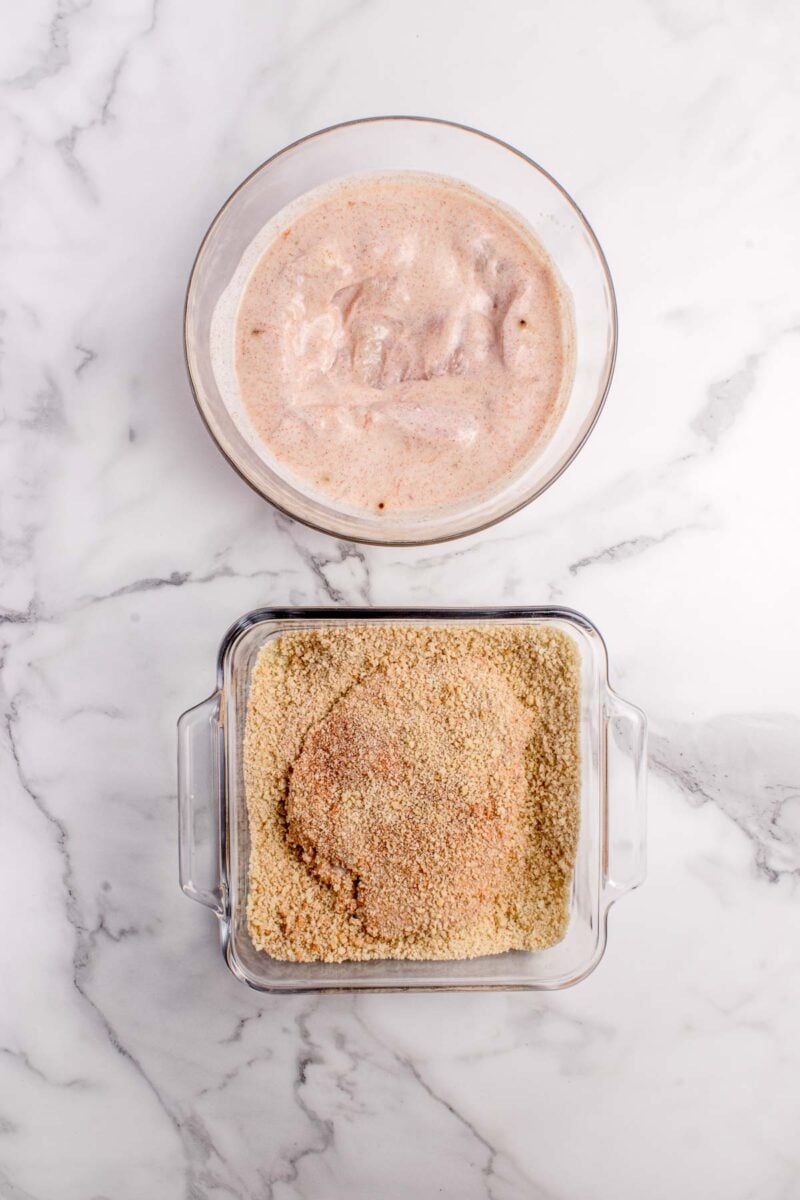
- Remove one chicken slice from the buttermilk, letting the excess drip off. Place it in the seasoned Panko and press the breadcrumbs gently onto all sides so the chicken is fully coated. Repeat with the remaining chicken slices.
- Tip: The breadcrumbs stick better if they are pressed. Let the breaded chicken rest on a wire rack or plate for 10 minutes while the oil heats; this helps the coating stick better.
Fry the Chicken
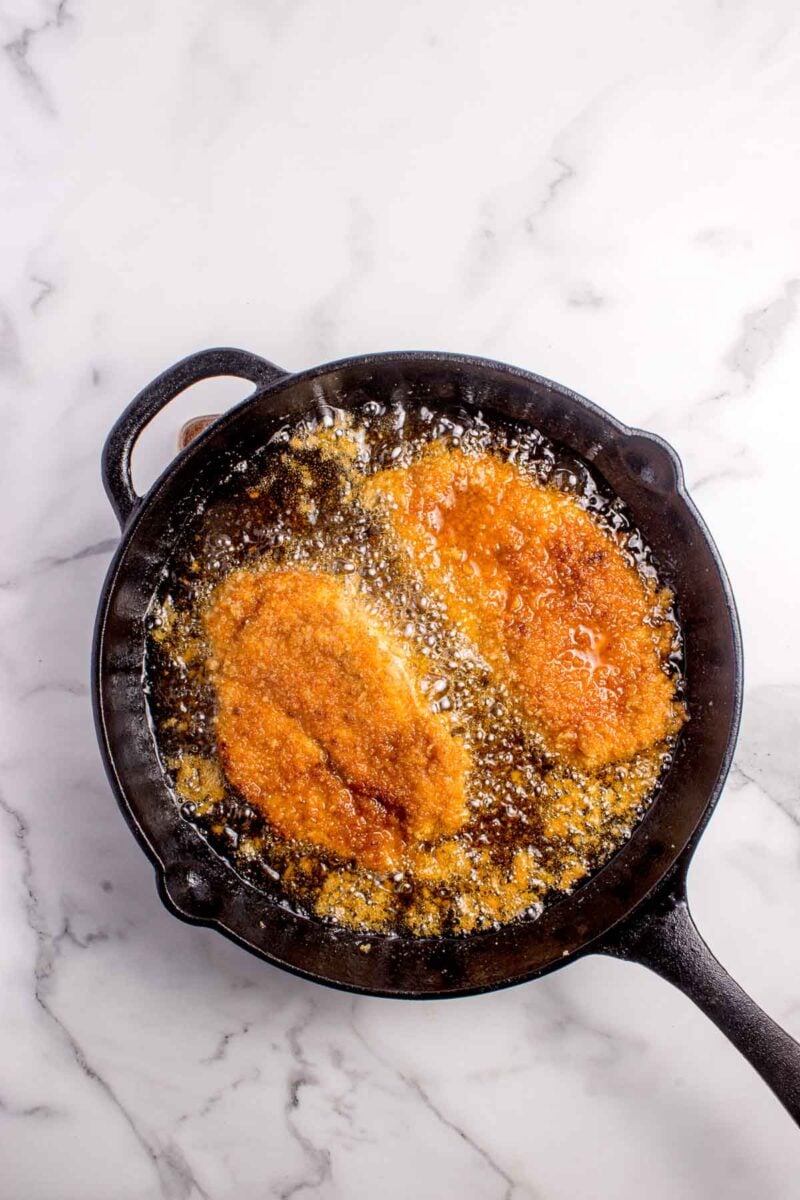
- Heat the oil in a skillet over medium heat. The oil is ready when a pinch of flour sizzles immediately upon contact. If you are using a thermometer, 350°F is recommended but I personally aim for 320°F because 350°F is too hot.
- Carefully add chicken slices to the hot oil. Fry them in batches. Cook each side for 5–6 minutes until they are golden brown and fully cooked (internal temperature: 165°F).
- Carefully lift the chicken out with tongs and set it on a wire rack placed over a plate lined with paper towels to catch any excess oil. Allow it to rest for 3–4 minutes before serving.
Serve
- Serve the chicken hot with your favorite sides. A fresh salad or roasted vegetables pairs perfectly.
Notes
- Slice evenly: Cut chicken into ½–¾ inch thick cutlets so they cook at the same rate and stay juicy.
- Pat dry first: Remove surface moisture before marinating to help the breading adhere.
- Let excess drip off: Don’t wipe off the buttermilk — just let the extra drip before coating.
- Press firmly: Press breadcrumbs onto both sides to build a stable crust.
- Rest before frying: Let breaded chicken sit 10 minutes before hitting the oil. This helps prevent coating loss.
- Oil temperature matters: Maintain 325–350°F. Too cool = greasy crust. Too hot = dark outside before reaching 165°F inside.
- Use about ½ inch of oil: Proper shallow frying ensures even browning without burning.
- Flip once: Let the first side fully set before turning to protect the crust.
- Cook to temperature: Chicken is done at 165°F internal in the thickest part.
- Drain on a rack: Avoid paper towels — steam softens the crust.
- Make ahead: Bread up to 4 hours in advance and refrigerate uncovered on a rack.
- Freezer-friendly: Freeze cooked cutlets flat, then transfer to a freezer bag for up to 2 months.
Nutrition
Bookmark this recipe now!
FAQs
Breading falls off when the chicken surface is too wet, the coating isn’t pressed firmly, the chicken isn’t rested before frying, or the oil temperature is too low. Maintaining 325–350°F oil and allowing a 10-minute rest before frying prevents most coating failures.
Fry breaded chicken for 5–6 minutes per side at 325–350°F. The internal temperature should reach 165°F and the crust should be deep golden brown.
Oil should stay between 325–350°F. Below that, the crust absorbs oil and becomes greasy. Above that, the exterior burns before the inside reaches 165°F.
Marinating in buttermilk is not required, but it improves tenderness and helps breadcrumbs adhere better. Even a 30-minute marinade makes a noticeable difference.
Yes. Milk mixed with a small amount of vinegar or lemon juice mimics buttermilk’s acidity and improves adhesion.
Quick Summary: How to Bread Chicken Correctly
Pat chicken dry, marinate in seasoned buttermilk, press firmly into spiced Panko, rest 10 minutes, then shallow fry at 325–350°F until golden and 165°F internally.