
Suya is what happens when a peanut-spiced crust meets screaming-hot fire and thin-sliced beef — and the result is one of the most addictive things you can pull off a grill. Nigeria’s most popular street food exists for a reason, and once you smell it cooking, you’ll understand why people follow that smoke.
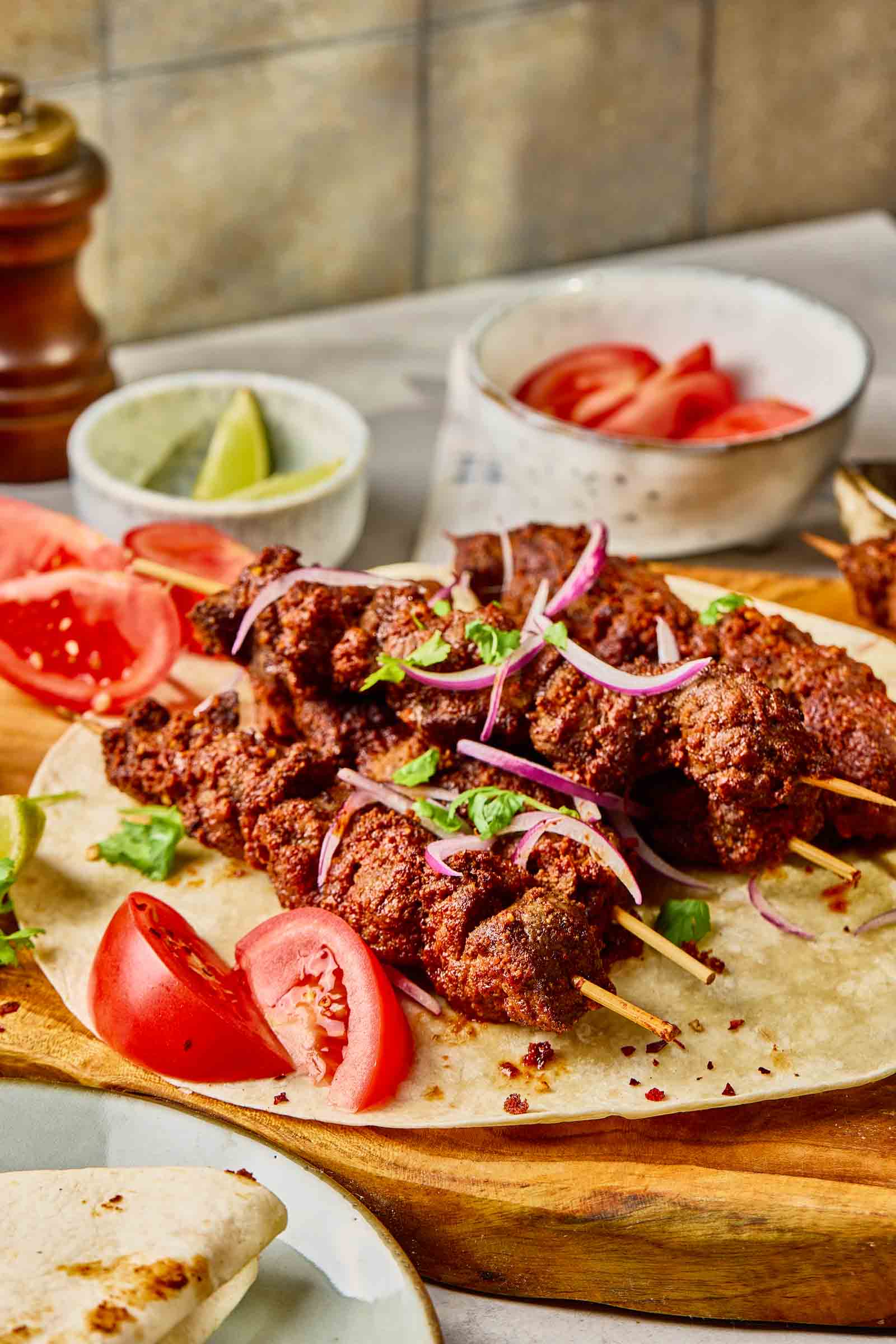
Suya originates from northern Nigeria, and the move that gets this version as close to street-corner suya as you can get at home is the double-coat method: Yaji goes on before the beef hits the grill for depth, and again the moment the skewers come off the heat, when the hot meat blooms the spices into an aromatic crust. That second coat is the whole point. Don’t skip it.
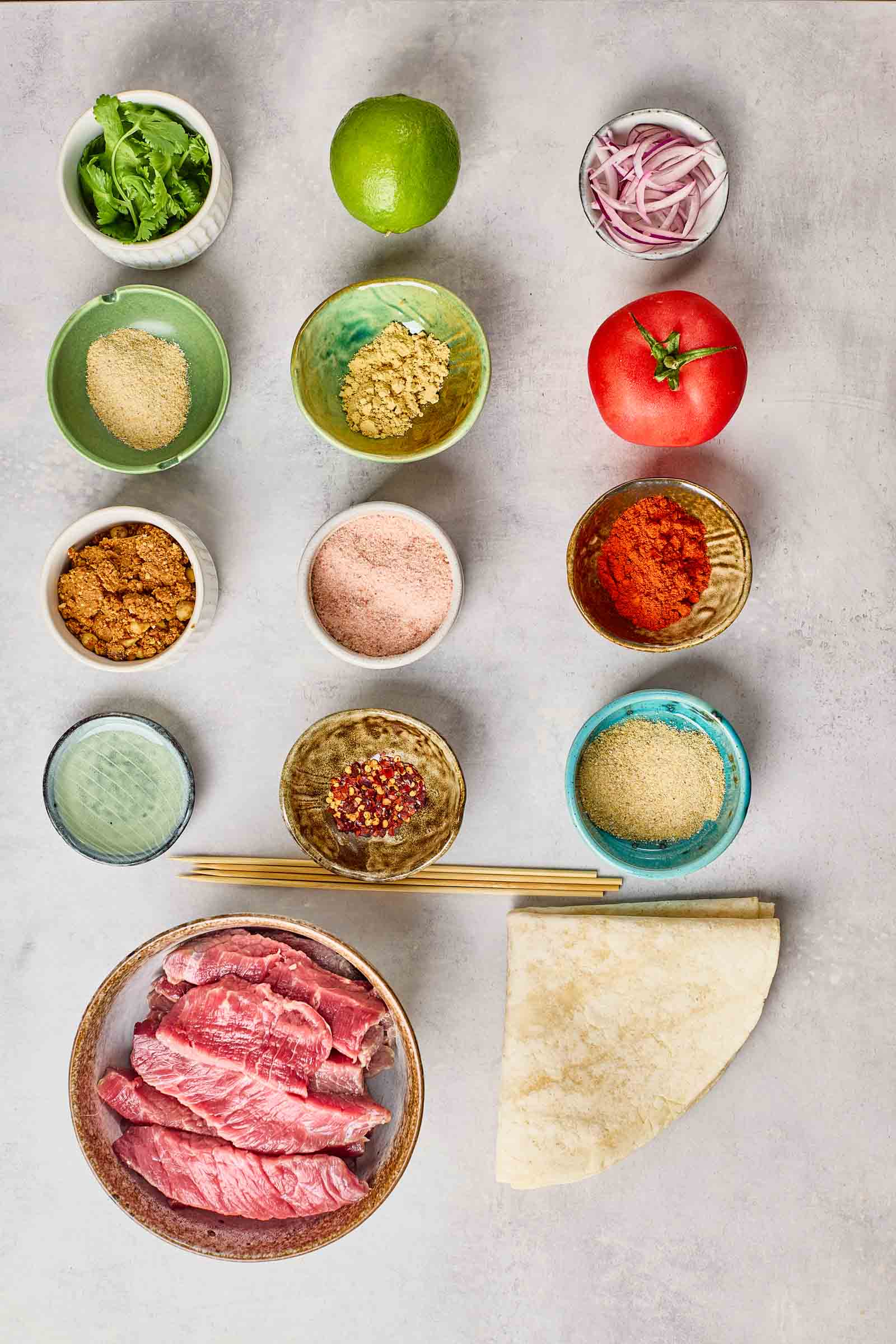
🔪 Ingredients for Suya
This recipe has two components: the Yaji spice mix blend and the beef.
For the Yaji (Suya Spice):
- Dry-roasted peanuts — the backbone of authentic Yaji. Buy them unsalted. You’ll grind them into a coarse dry powder — pulse carefully and stop before they turn to paste. The peanut base is what separates real Yaji from generic spice rubs.
- Smoked paprika — traditional Yaji uses ground dried red pepper (tatashe) for color and mild heat. Smoked paprika is the closest pantry substitute and adds a layer of char-forward flavor that works well on the grill.
- Cayenne pepper — this is where the heat lives. One tablespoon is a pull from the street vendor ratio, which runs hotter. If you want the full Lagos experience, push it.
- White pepper — for warming, earthy heat that’s different from cayenne’s sharp bite. It’s a traditional Yaji ingredient that most Western recipes don’t include. Don’t skip it.
- Ground cloves — just a quarter teaspoon, but it’s one of the spices that makes homemade Yaji taste like the real thing instead of a generic rub.
- Ground ginger, garlic powder, onion powder — the savory base. Use dried, not fresh — fresh ginger introduces moisture the rub doesn’t want.
- Chicken bouillon powder (Maggi or Knorr brand) — not optional. Bouillon is foundational to West African cooking and gives the Yaji its signature umami depth. Crush a cube if that’s what you have.
- Kosher salt
For the beef:
- Top sirloin — sliced against the grain into long, flat strips about ⅛ inch thick. Sirloin holds up at this thickness without drying out the way flank can. If you want bold, fatty flavor, skirt steak works well cut the same way. Ask your butcher to slice it if thin cuts aren’t in your wheelhouse — they won’t blink.
- Neutral oil — just enough to help the first coat of Yaji adhere before the marinade.
For serving:
- Red onion, shaved thin
- Roma tomatoes, sliced
- Lime wedges
- Warm flour tortillas (if you want to wrap and eat — not traditional, but it works)
- Fresh cilantro, optional
Equipment
- Spice grinder or food processor — for grinding the peanuts. Pulse, don’t run continuously, or you’ll end up with peanut butter.
- Flat metal skewers — preferred. They hold the thin strips flat for even char. If you’re using wooden skewers, soak them in water for at least 30 minutes.
- Gas or charcoal grill — high heat is non-negotiable. A cast iron grill pan with a broiler finish works indoors.
📝 How to Make Suya
- Grind the peanuts. Add the dry-roasted peanuts to a spice grinder or food processor and pulse in short 1-second bursts, 10 to 15 times. You’re looking for a coarse, dry powder that holds its shape when you pinch it. Stop the moment it starts clumping — that’s the edge of peanut butter and you don’t want to cross it.
- Make the Yaji. Combine the ground peanuts with the smoked paprika, cayenne, ground ginger, garlic powder, onion powder, white pepper, ground cloves, bouillon powder, and salt in a bowl. Mix until evenly combined. Taste a pinch — it should be nutty, hot, and savory with a faint floral heat from the cloves. This is your Yaji. Set aside about 3 tablespoons for the post-grill coat.
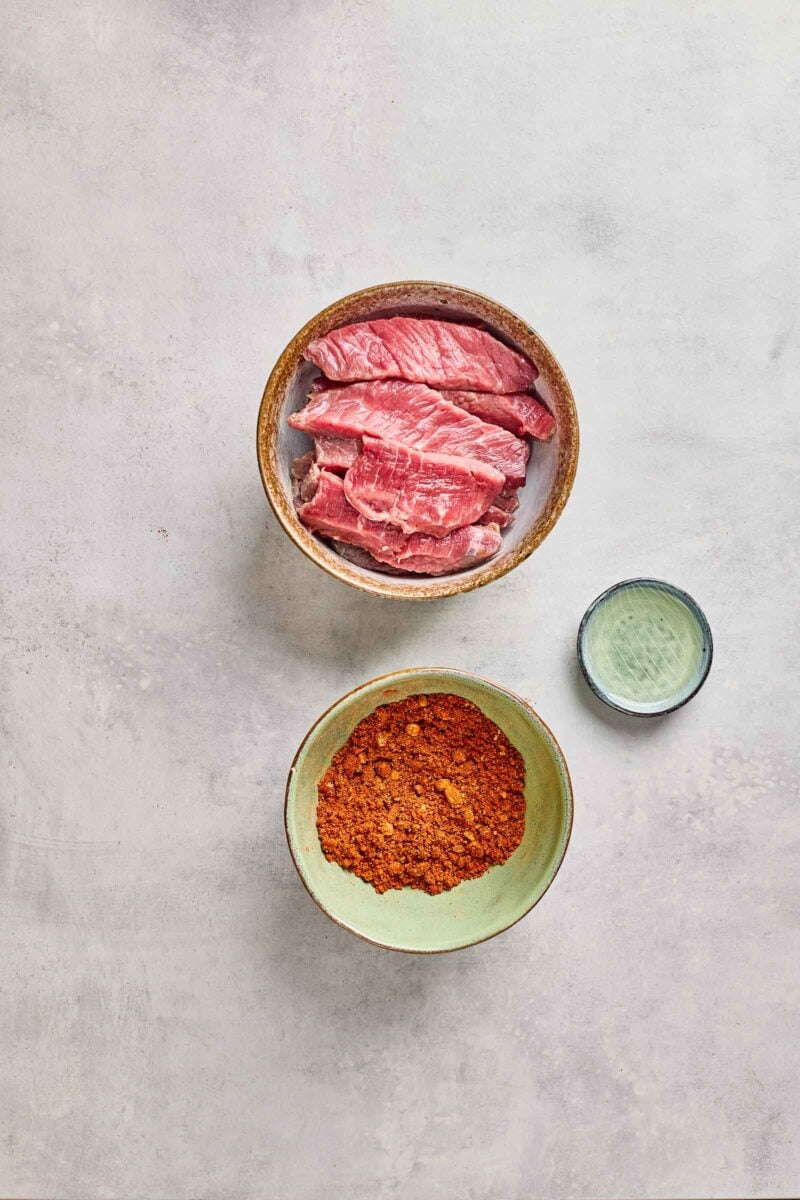
- Slice the beef. Cut the top sirloin against the grain into long, flat strips about ⅛ inch thick. Pat them dry with paper towels — dry meat means the rub sticks and the grill sears instead of steams.
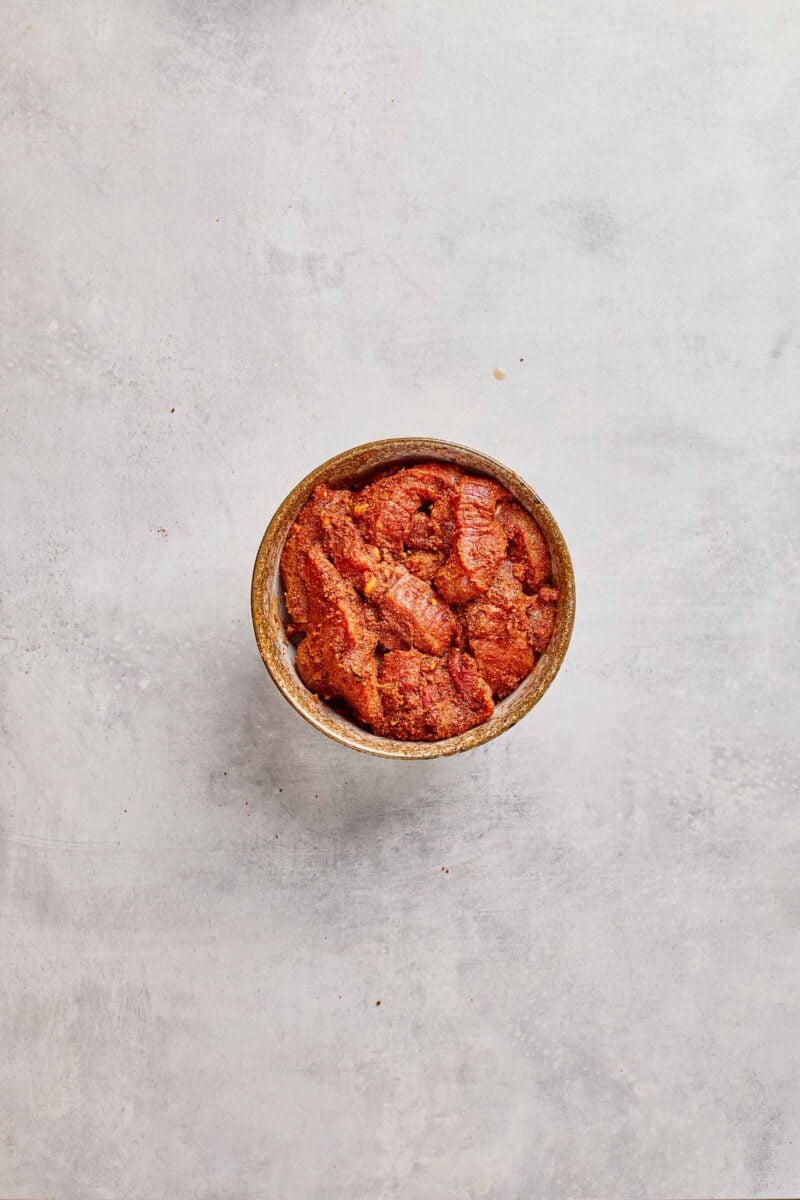
- Coat and marinate. Toss the beef strips with the neutral oil, then press them into the Yaji, coating every surface. Cover and refrigerate for at least 1 hour. Overnight is better — the spices drive deeper into the meat and the color intensifies.
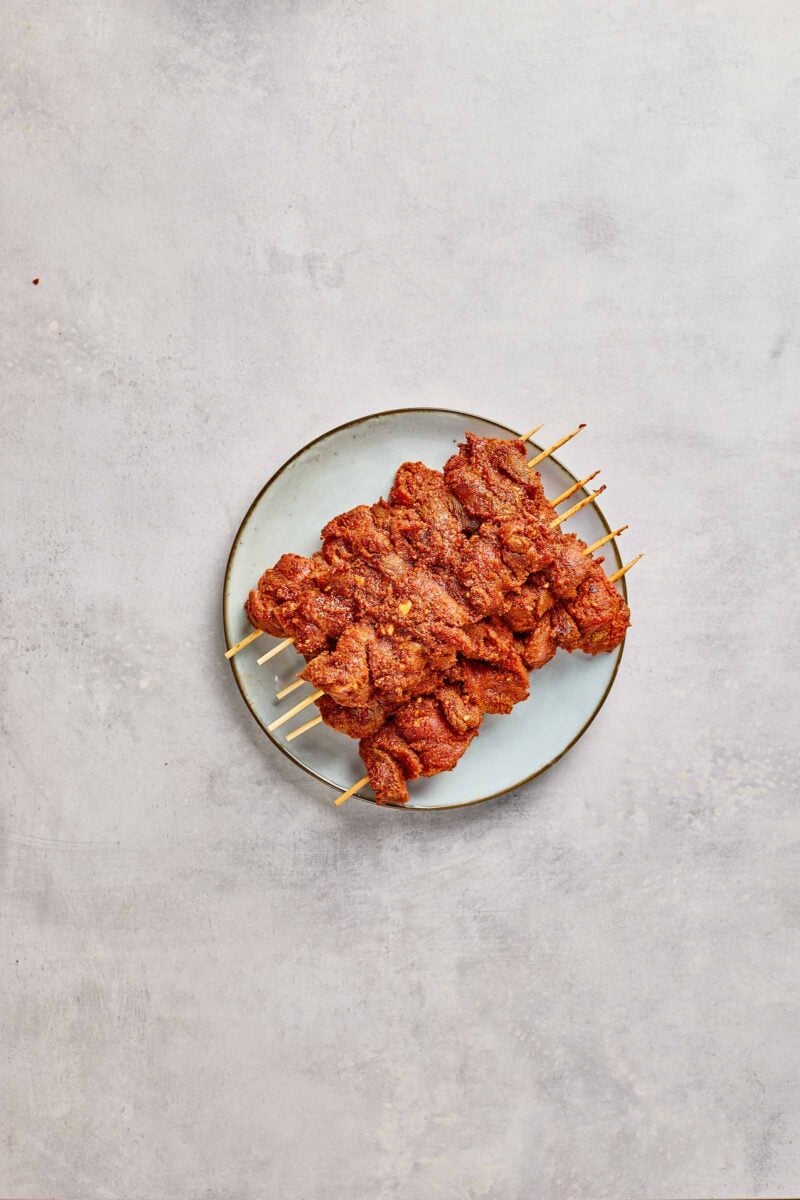
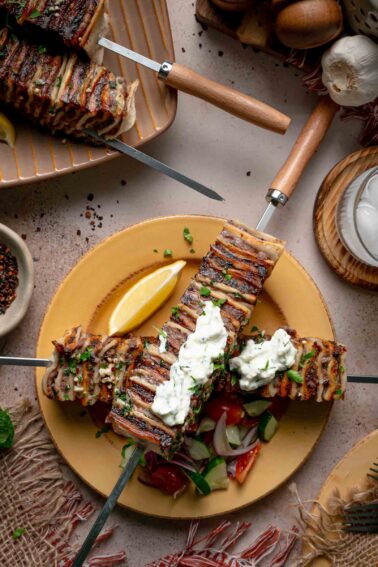
- Thread the skewers. Thread each strip lengthwise onto a flat metal skewer, keeping the meat as flat as possible. Flat strips char evenly — bunched meat steams in the middle.
- Grill on high heat. Preheat your grill to high (450°F to 500°F). Grill the skewers for 2 to 4 minutes per side, until the meat is deeply charred at the edges and cooked through. Thin strips move fast — watch them. You want char, not carbon.
- Hit them with the second coat. The moment the skewers come off the grill, while the meat is still hot, dust the reserved Yaji over the top. The residual heat blooms the spices and creates the aromatic crust that defines great suya. This step is not optional.
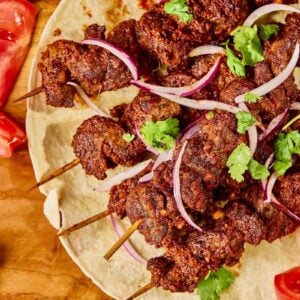
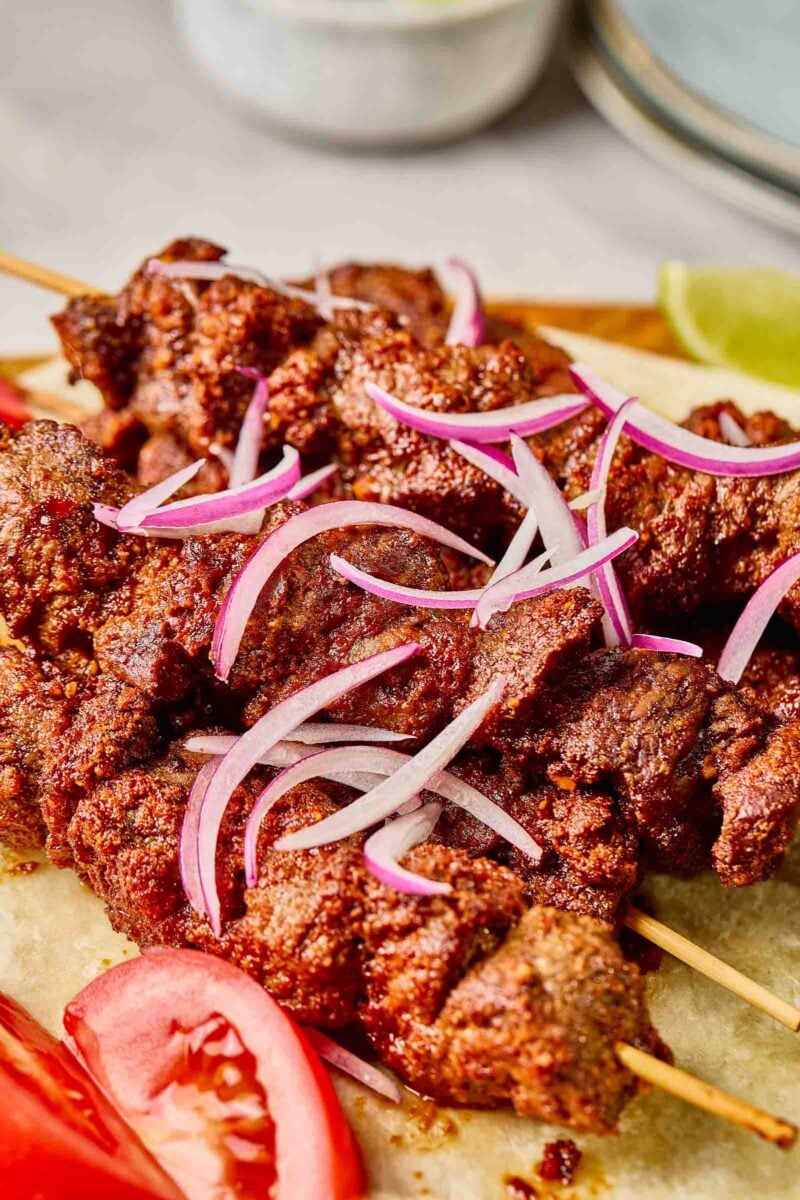
- Serve immediately. Traditionally, suya gets wrapped in newspaper with the raw onion and tomato tucked alongside — the cool crunch of the vegetables against the hot, spiced meat is part of the dish. A squeeze of lime, a warm tortilla if you want to wrap and eat, and you’re there.
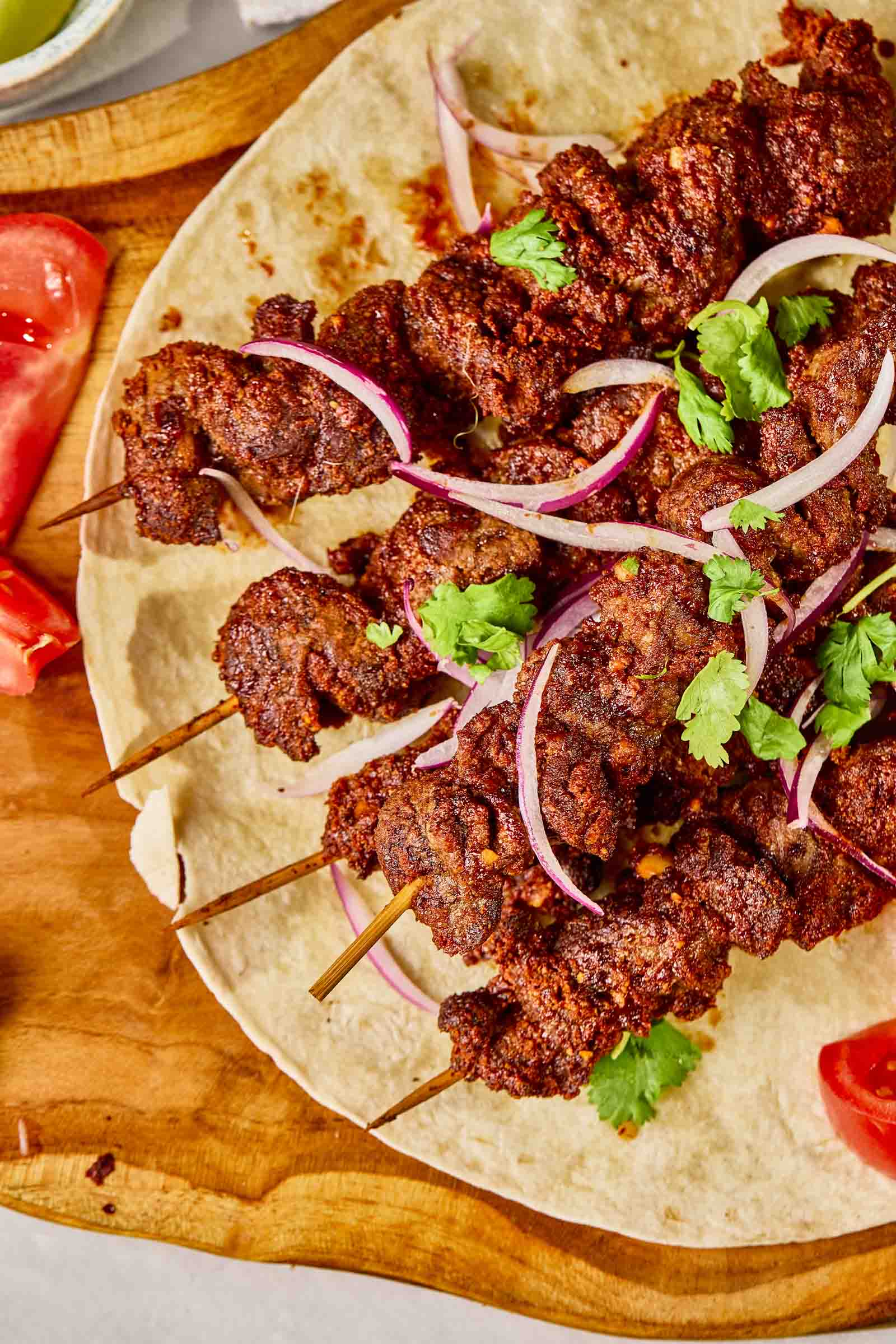
🔄 Substitutions
- Top sirloin for flank steak or skirt steak: Both work. Flank is leaner and slightly chewier at this thin slice; skirt has more fat and more flavor. Slice both against the grain. Cooking time stays the same.
- Top sirloin for chicken thighs: Slice boneless thighs thin and flat, same method. Add 1 to 2 minutes per side — chicken needs to hit 165°F internal. Thighs handle the heat better than breast.
- Peanuts for cashews: If you have a peanut allergy, cashews are the closest substitute. The flavor profile shifts — less earthy, slightly sweeter — but the rub still works. The result won’t be traditional Yaji, but it’s still very good.
- Chicken bouillon powder for beef bouillon: Works fine. The Maggi or Knorr brand is the call either way — the flavor is more concentrated than generic bouillon and it’s what Nigerian home cooks use.
- White pepper for black pepper: Less traditional and slightly more aggressive, but functional. Use about half as much — black pepper punches harder.
- Smoked paprika for sweet paprika plus a pinch of chipotle powder: If you want to stay closer to the tatashe base the original Yaji uses, swap to sweet paprika and add a small amount of chipotle for smokiness. The color will be brighter red.
💡 Meat Nerd Tips
- Partially freeze the beef for cleaner slices. Pop the sirloin in the freezer for 20 to 30 minutes before slicing. The firm texture makes it much easier to cut thin, even strips without tearing. This is the same trick used for flank steak pinwheels and any thin-cut technique.
- Don’t overgrind the peanuts. The line between coarse peanut powder and peanut butter is a few seconds in the grinder. Pulse in short bursts and check after every few — you want dry and crumbly, not wet and clumping. If it starts sticking to the sides, you’ve gone too far.
- Make extra Yaji and keep it. This spice blend stores in an airtight container in a cool, dry place for up to three months. It’s excellent on grilled lamb chops, chicken thighs, or dusted over roasted vegetables. The double-coat method works on any of them.
- High heat is the whole game. Suya is a fast, hot cook. If your grill isn’t screaming hot, the meat will cook before the exterior chars, and you’ll lose that crust. Preheat for at least 10 to 15 minutes on high before the skewers go on.
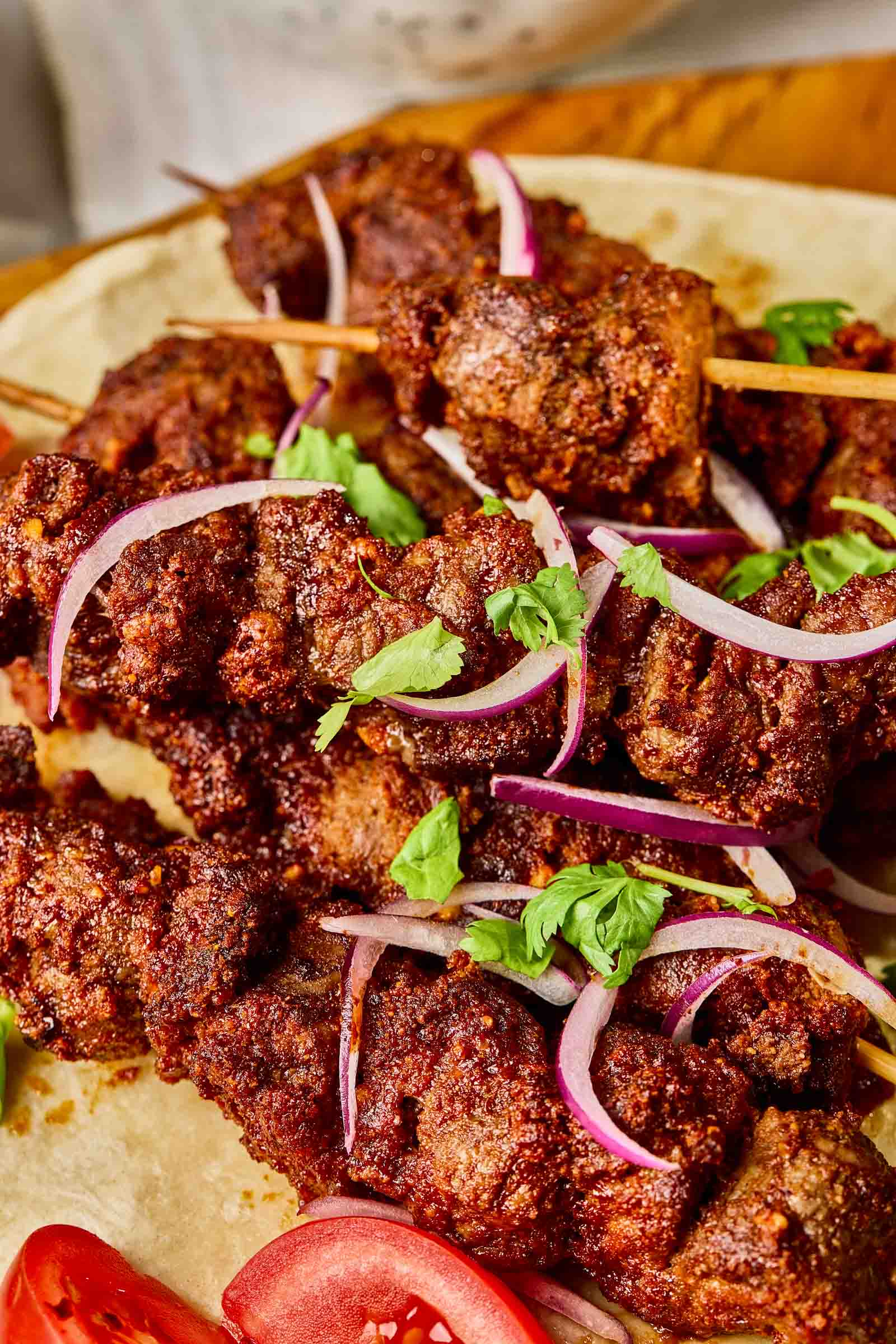
🍽️ What to Serve with Suya
- Shaved raw red onion and sliced Roma tomatoes — the traditional serve, and it’s not negotiable. The cool, sharp crunch of the vegetables against the hot, spiced beef is part of how suya works as a dish. Don’t dress them. Just slice and pile alongside.
- Warm flour tortillas — not traditional, but the wrap-and-eat format is a natural move if you want something more substantial. The thin strips of beef and the raw vegetables tuck in cleanly.
- Grilled lamb kofta — if you’re building a full spread of fire-grilled, spiced skewers, Grilled Lamb Kofta belongs on the same board. Different spice profile, same high-heat technique, same crowd energy.
- Grilled tandoori chicken — another spiced marinade, another hot grill. Grilled Tandoori Chicken Drumsticks round out a global grilling spread without any redundancy on flavors.
🥶 Leftovers and Storage
- Refrigerator: Store leftover suya in an airtight container for up to 3 days.
- Freezer: Freeze in a single layer on a sheet pan, then transfer to a freezer bag. Keeps up to 3 months. Thaw overnight in the fridge before reheating.
- Reheating: A hot cast iron skillet for 1 to 2 minutes per side is the best method — it brings back some of the char without drying the meat. If you have leftover Yaji, dust the meat again right out of the pan.
- Extra Yaji: Store the spice blend separately in an airtight jar at room temperature for up to 3 months.
Have you tried this recipe? Do us a favor and rate the recipe card with the ⭐ ⭐ ⭐ ⭐ ⭐ and drop a comment to help out the next reader.
Suya (West African Beef Skewers)
Recommended Equipment
- Spice grinder or food processor
- Gas or charcoal grill (or cast iron grill pan + broiler for indoors)
- Clean kitchen towel (for patting beef dry)
- Sheet pan + wire rack (for oven method)
Ingredients
For the Yaji (Suya Spice):
- ½ cup dry-roasted peanuts unsalted
- 2 tablespoons smoked paprika
- 1 tablespoon cayenne pepper
- 1 teaspoon ground ginger
- 1 teaspoon garlic powder
- 1 teaspoon onion powder
- ½ teaspoon white pepper
- ¼ teaspoon ground cloves
- 1 teaspoon chicken bouillon powder Maggi or Knorr brand
- ½ teaspoon kosher salt
For the Beef:
- 1½ lbs top sirloin sliced ⅛” thick against the grain
- 2 tablespoons neutral oil
For Serving:
- ½ red onion shaved thin
- 2 Roma tomatoes sliced
- Lime wedges
- Warm flour tortillas optional
- Fresh cilantro optional
Instructions
Grind the Peanuts
- Add the dry-roasted peanuts to a spice grinder or food processor and pulse in short 1-second bursts, 10 to 15 times. You’re looking for a coarse, dry powder that holds its shape when you pinch it. Stop the moment it starts clumping — that’s the edge of peanut butter and you don’t want to cross it.
Make the Yaji
- Combine the ground peanuts with the smoked paprika, cayenne, ground ginger, garlic powder, onion powder, white pepper, ground cloves, bouillon powder, and salt. Mix until evenly combined. Taste a pinch – it should be nutty, hot, and savory with a faint floral heat from the cloves. Set aside 3 tablespoons for the post-grill coat.

Slice the Beef
- Cut the top sirloin against the grain into long, flat strips about ⅛ inch thick. Pat dry with paper towels.
- Preheat grill to high (450°F to 500°F) and soak wooden skewers for at least 20 minutes before grilling.
Coat and Marinate
- Toss the beef strips with neutral oil, then press into the Yaji, coating every surface. Cover and refrigerate at least 1 hour. Overnight is better.
Thread the Skewers
- Thread each strip lengthwise onto a flat metal skewer.
Grill
- Grill skewers over direct heat, flipping as needed, for 2 to 4 minutes per side until deeply charred at the edges and cooked through.
Second Coat
- The moment the skewers come off the grill, dust the reserved Yaji over the hot meat. The residual heat blooms the spices into an aromatic crust. Do not skip this step.
Serve
- Serve immediately with shaved red onion, sliced tomato, and lime wedges. Wrap in newspaper for the street food experience, or scoop into a warm tortilla.
Notes
- Partial freeze trick: Freeze beef 20 to 30 minutes before slicing for cleaner, thinner cuts.
- Oil press is essential: Skipping it results in a greasy rub that slides rather than crusts.
- Extra Yaji stores in an airtight jar at room temperature for up to 3 months. Excellent on lamb chops and chicken thighs.
- Oven method: Broil at 425°F on a wire rack, 5 to 7 minutes per side. Apply second Yaji coat immediately out of the oven.
Save this Recipe
Nutrition
Bookmark this recipe now!
Quick Summary
This suya recipe builds a homemade Yaji spice blend from dry-roasted ground peanuts, then uses a double-coat grilling method — spice before and immediately after the grill — to create the peanut-crusted char that defines Nigerian street food. Use top sirloin sliced thin against the grain, thread flat on metal skewers, and cook fast over screaming-high heat. The second coat of Yaji off the grill is the step that makes it.
❓ FAQs
Any thin quick cooking cut is the best all-around choice for suya; it has enough marbling to stay juicy when sliced thin and cooked fast over high heat, without so much fat that the grill flares up and burns the spice rub. Flank steak and skirt steak both work well. Whatever cut you use, slice against the grain when cutting it for the skewers and aim for about ⅛ inch thickness.
Yaji (also called suya spice or suya pepper) is a peanut-based dry spice blend from northern Nigeria. The core ingredients are ground roasted peanuts, cayenne or dried chili, ground ginger, garlic powder, onion powder, and chicken bouillon powder. More complex versions add white pepper and ground cloves for depth. The peanuts are the base – they should make up roughly half the volume of the blend.
Yes. Preheat your oven to 425°F with the broiler on and place the skewers on a wire rack over a sheet pan. Broil for 5 to 7 minutes, flip, and broil another 4 to 5 minutes until charred at the edges and cooked through. The indoor result won’t have the open-flame smokiness of the grill, but the double-coat method still works – dust the second round of Yaji right out of the oven while the meat is hot.
Traditional street vendor suya is genuinely hot – the authentic Yaji ratio runs closer to 2 tablespoons of cayenne per batch. This recipe uses 1 tablespoon, which lands at a solid medium heat with a slow-building burn from the white pepper. If you want to dial it back further, reduce the cayenne to 2 teaspoons and add more smoked paprika to keep the color and depth. If you want the full street food experience, push the cayenne up.
The double-coat method means applying the Yaji spice blend twice; once before grilling as a marinade rub, and once immediately after the skewers come off the heat. The first coat builds flavor into the meat during the marination. The second coat hits the hot surface and blooms the aromatics into a fresh, fragrant crust. It’s the technique that separates great suya from good suya.










I made this. I used salted peanuts and the flavor was still delicious. I prepped all other ingredients as is. I put the meat on rounded skewers (didn’t have an issue) and placed on my smoker (medium high heat for a good char). Lip smacking good. Even my heat and seasoning sensitive PA Dutch wife loved this!
I will be using with chicken thighs and U-15 shrimp. 😋🤤
I am going to say, kudos to your wife!!!