Wondering whether pork shoulder and pork butt are the same thing, and which one you should be buying for pulled pork? We got you.
Pork butt is pork shoulder. It is the top half of it. The bottom half is the picnic, and that is the cut people are usually comparing when they ask this question. Most of the confusion comes from grocery labels that use “pork shoulder” for either piece.
Below you will find how the shoulder breaks down, how to spot each half in the meat case, and which one belongs in your smoker.
🐖 How the pork shoulder breaks down
The whole pork shoulder is the front primal of the hog. In the USDA’s Institutional Meat Purchase Specifications, the purchasing standard butchers and packers work from, it is Item 403. A whole shoulder keeps both the arm bone and the blade bone, and the skin stays on.
That whole shoulder is split with one straight cut just above the shoulder joint. The top becomes the butt (Item 406). The bottom becomes the picnic (Item 405). The two halves weigh about the same, but the butt carries far more fat.
You will rarely see a whole shoulder at the grocery store. You will see one half or the other, often labeled with the name of the whole thing.
🥩 Pork butt, the top of the shoulder
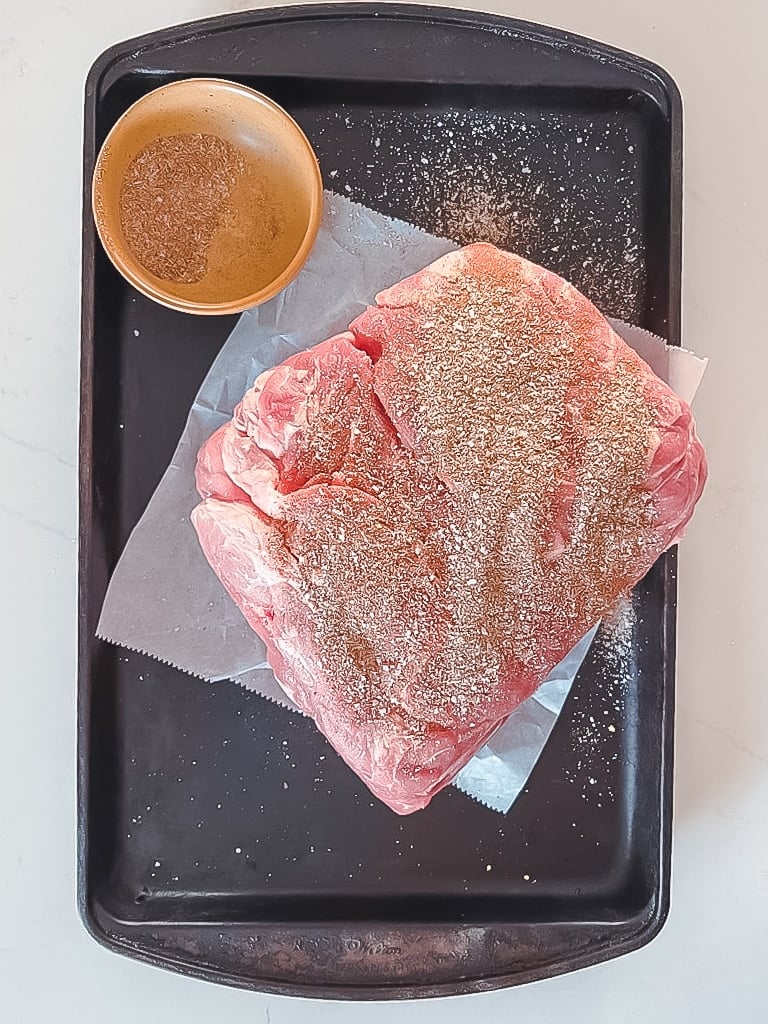
Pork butt, also sold as Boston butt, comes from the upper shoulder, up along the back behind the head. Bone-in, it carries the flat blade bone. Butchers take the skin off this cut, so what you buy is a thick, squarish block of meat with a fat cap on one side.
This is the fatty half. Carcass research published through the Pork Checkoff’s Pork Information Gateway puts the separable fat in an average butt at more than double what comes off the picnic. That fat runs through the meat in seams, which is why a butt stays juicy through a ten hour smoke and shreds into long, wet strands instead of dry threads.
As for the name, it has nothing to do with the back end of the pig. The explanation you will hear most often is that colonial New England butchers packed these shoulder cuts into barrels called butts for storage and shipping, and the Boston part stuck from there.
🍖 Picnic shoulder, the bottom of the shoulder
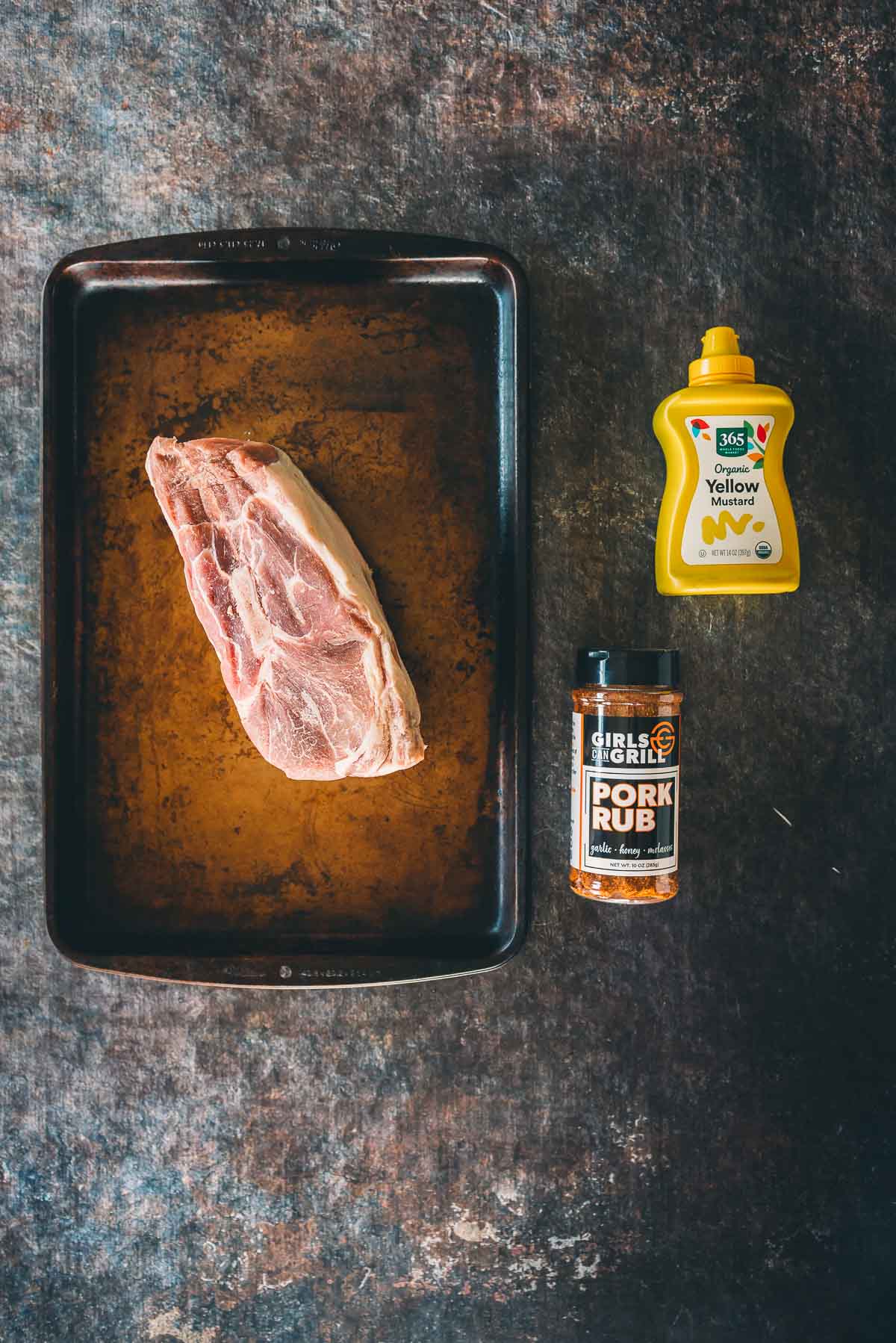
The picnic, also called picnic shoulder or arm roast, runs from the shoulder joint down toward the front leg. Bone-in, it holds the arm bone and the top of the shank. It is usually sold with the skin still on, and it tapers, so you get one thick end and one narrow end.
It is the leaner half, with more connective tissue and more small muscles running in different directions. Give it a long, slow cook and that collagen melts into the meat, which is why the picnic belongs in the smoker or the braising pot and never on a hot grill. It also tends to be the cheaper cut, and that skin is a bonus if you want crackling on a roast.
🏷️ How to tell them apart at the store
Ignore the big word on the label and read the small ones. “Boston butt,” “shoulder butt,” or “blade roast” means the top half. “Picnic,” “arm roast,” or “shoulder picnic” means the bottom half. A package that just says “pork shoulder roast” could be either one.
If the label is vague, check the meat itself:
- Skin on the outside points to a picnic. A butt is sold skinless.
- A round shank bone showing at the narrow end is a picnic. A flat blade bone on one face is a butt.
- A rectangular block with heavy marbling is a butt. A tapered, cone-shaped roast is a picnic.
Still not sure? Ask at the meat counter which half of the shoulder it came from. Anyone who breaks down pork will know in a second.
🔥 Which one to cook
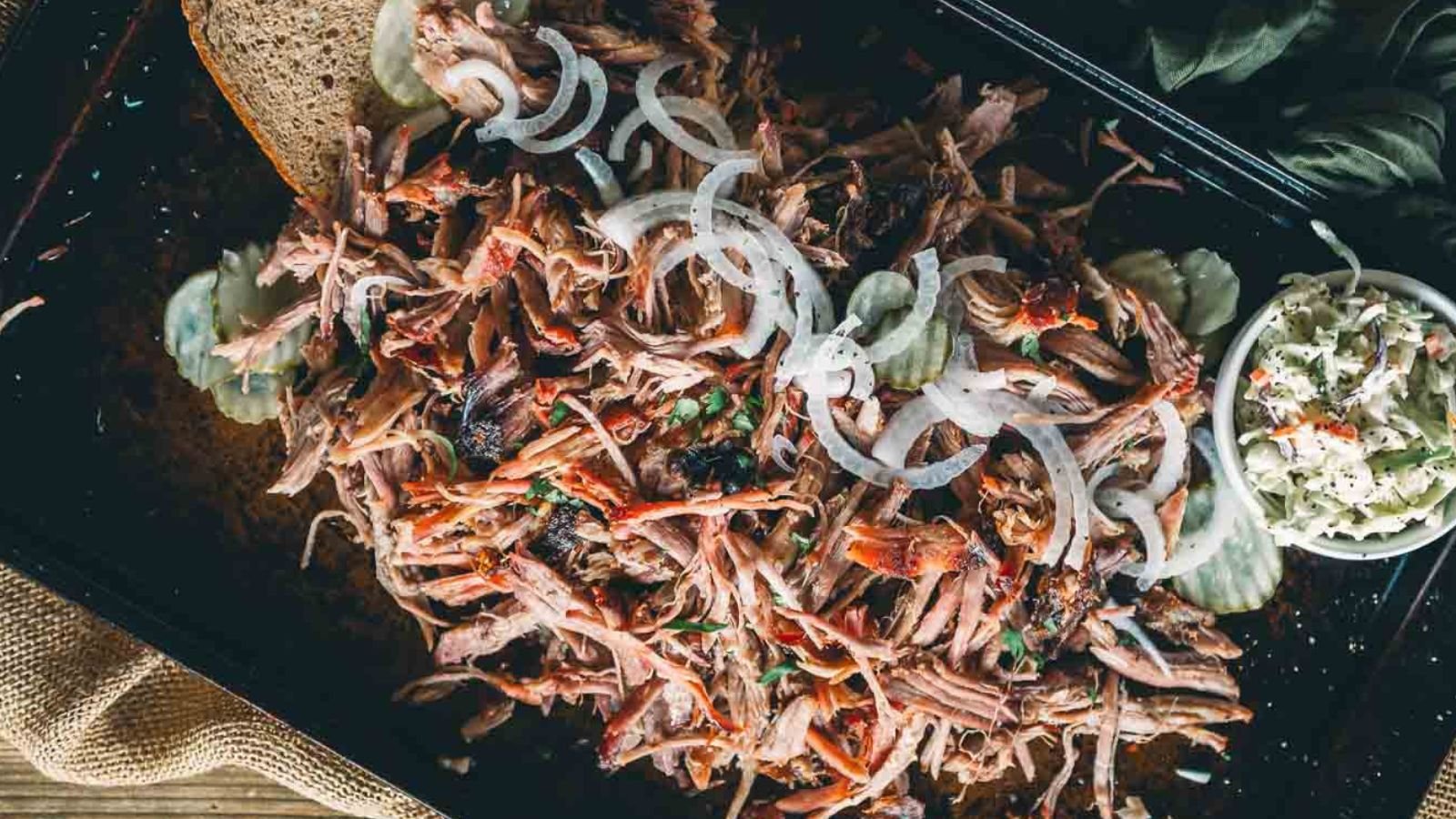
For pulled pork, buy the butt. It is the more forgiving cut, the fat keeps it moist over a long cook, and the square shape cooks evenly. It is our default for a smoked pork butt, for carnitas, and for anything headed through a grinder for sausage.
Buy the picnic when you want the skin, or when you are feeding a crowd on a budget. It makes excellent pulled pork too. It just takes a little more trimming at the end and gives you a slightly lower yield. Either half works in a long braise like Cuban mojo pork.
One thing both cuts share: safe and shreddable are two different temperatures. USDA’s safe minimum for fresh pork roasts is 145°F with a three minute rest, and at that point a shoulder cut will slice but will not pull. The collagen needs time well above that to break down, so for pulled pork plan on taking either cut to 195°F to 205°F. Check it in the thickest part with a Thermapen, away from the bone.
🥩 Meat Nerd Tips
- Go bone-in for the smoker. The blade bone in a butt slides out clean when the meat is done, which makes it a built-in doneness check.
- Score the picnic skin. Cut a crosshatch through the skin, not the meat, and it renders and crisps instead of turning leathery.
- Buy for yield. Pulled pork loses a lot of weight to rendered fat and moisture, and the picnic loses more to trimming. Buy more raw weight than you think you need.
- Trim the picnic after cooking. The seams of connective tissue are easier to pull out once they have softened than to cut out raw.
Quick Summary
Pork shoulder is the whole front primal. Pork butt, or Boston butt, is its fatty, skinless top half with the blade bone. The picnic is the leaner, skin-on bottom half with the arm bone. For pulled pork, buy the butt and cook it to 195°F to 205°F.
❓ FAQs
Yes. If a recipe calls for pork shoulder, a butt is almost always what the writer used, and a picnic works too. Keep the cooking method the same and expect a picnic to need a bit more trimming.
No. The loin runs along the back behind the shoulder and is lean and tender, built for roasting or chops cooked to 145°F. A butt needs hours of low heat to break down. Swapping one for the other will not work.
Bone-in for smoking and roasting, since it holds its shape and the bone tells you when it is done. Boneless is easier to cut into chunks for carnitas, stews, and grinding.
📚 Keep reading
- How to smoke a pork butt, the full low and slow method from rub to shred
- Smoked picnic shoulder, pulled pork from the bottom half of the shoulder
- Pork shoulder recipes, every GC recipe built on the shoulder
Hungry for more? Subscribe to our newsletter and become part of the world’s best meat community! From grilling tips to smoky secrets, we send you the best recipes, guides, and expert advice to master every cut.