Wondering why your pork chops keep coming out dry, chewy, and gray no matter what you do? We got you.
It almost always comes down to four things: the temperature you pulled it at, the chop you bought, whether it saw any salt before the pan, and how the heat matched the thickness. Fix those and dry pork chops stop being a weeknight tax you pay.
🌡️ You cooked it past 145°F
This is the big one. USDA sets the safe internal temperature for whole cuts of pork, chops included, at 145°F followed by a three minute rest. Every degree past that squeezes more moisture out of a lean muscle, and a chop that sits on the heat for two extra minutes can blow right past 160°F.
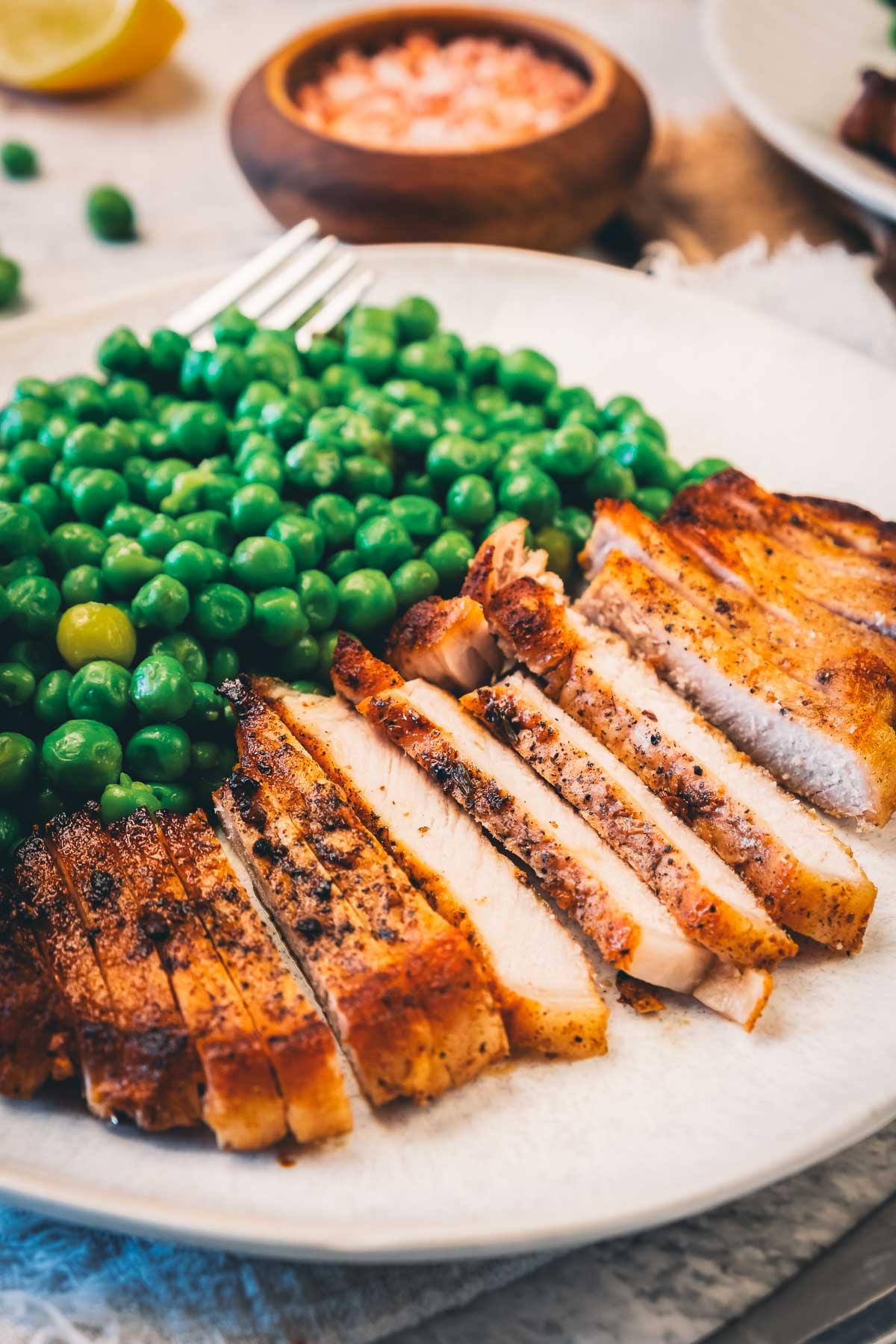
Guessing by time or by poking it does not work here. A Thermapen in the thickest part, away from the bone, tells you in two seconds. Pull the chop when it reads 145°F, rest it three minutes, and let carryover nudge it a few degrees higher on the board. Our meat temperature guide has the numbers for every other protein in your rotation.
🥩 The chop was too lean or too thin
Modern pork is lean. When USDA’s nutrient lab re-analyzed fresh pork cuts in 2006, eight of the nine cuts tested came back leaner than the 1991 figures. Less fat means less cushion when you overshoot.
Boneless loin chops are the leanest and the least forgiving. Rib chops carry a little more fat and the bone slows the cooking next to it. Blade or shoulder chops have the most fat and connective tissue, which makes them the hardest to dry out and the best pick if you are nervous.
Thickness matters as much as the cut. A half inch chop goes from raw to overcooked in the time it takes to get a crust on it. Buy chops one to one and a half inches thick and you get a window to work with.
🧂 It never met any salt
Salt is the cheapest insurance you can buy for a pork chop. Given time, it works its way into the meat and loosens some of the muscle proteins so they hold onto more water through the cook. The chop seasons all the way through instead of just on the surface.
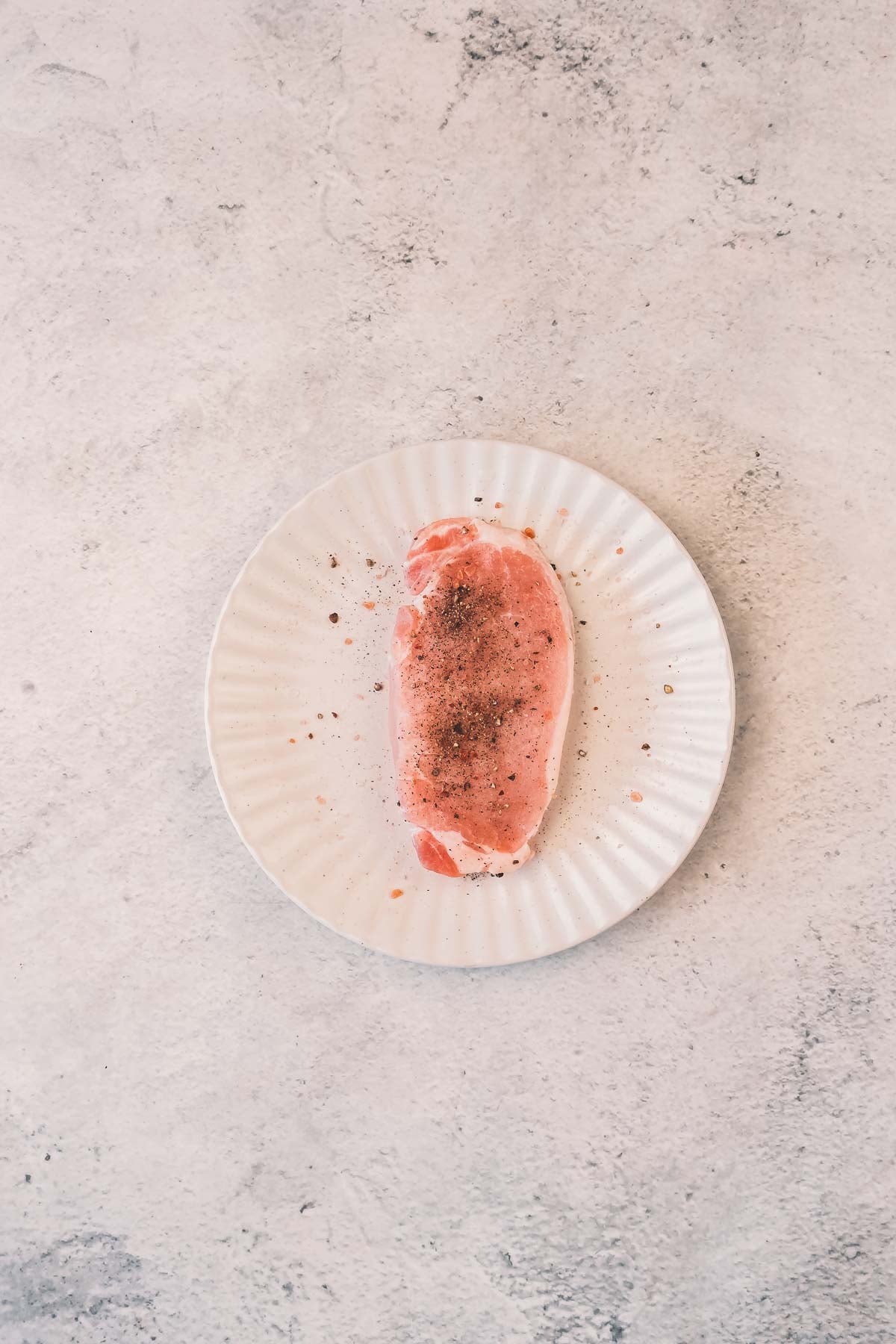
Dry brining is the low effort version. Salt the chops with kosher salt and park them uncovered on a rack in the fridge for at least an hour, overnight if you can plan that far ahead. It is the same dry brine method we use on steak, and it does the same job on pork.
Marinades are great for flavor, and our pork chop marinade earns its spot. Just know a marinade mostly works on the outside of the chop. The salt in it is what helps the inside, and a long soak in something very acidic can turn the surface mealy.
🔥 The heat did not match the thickness
Low and slow is not the fix for chops, and blasting them start to finish is not either. Match the heat to the cut.
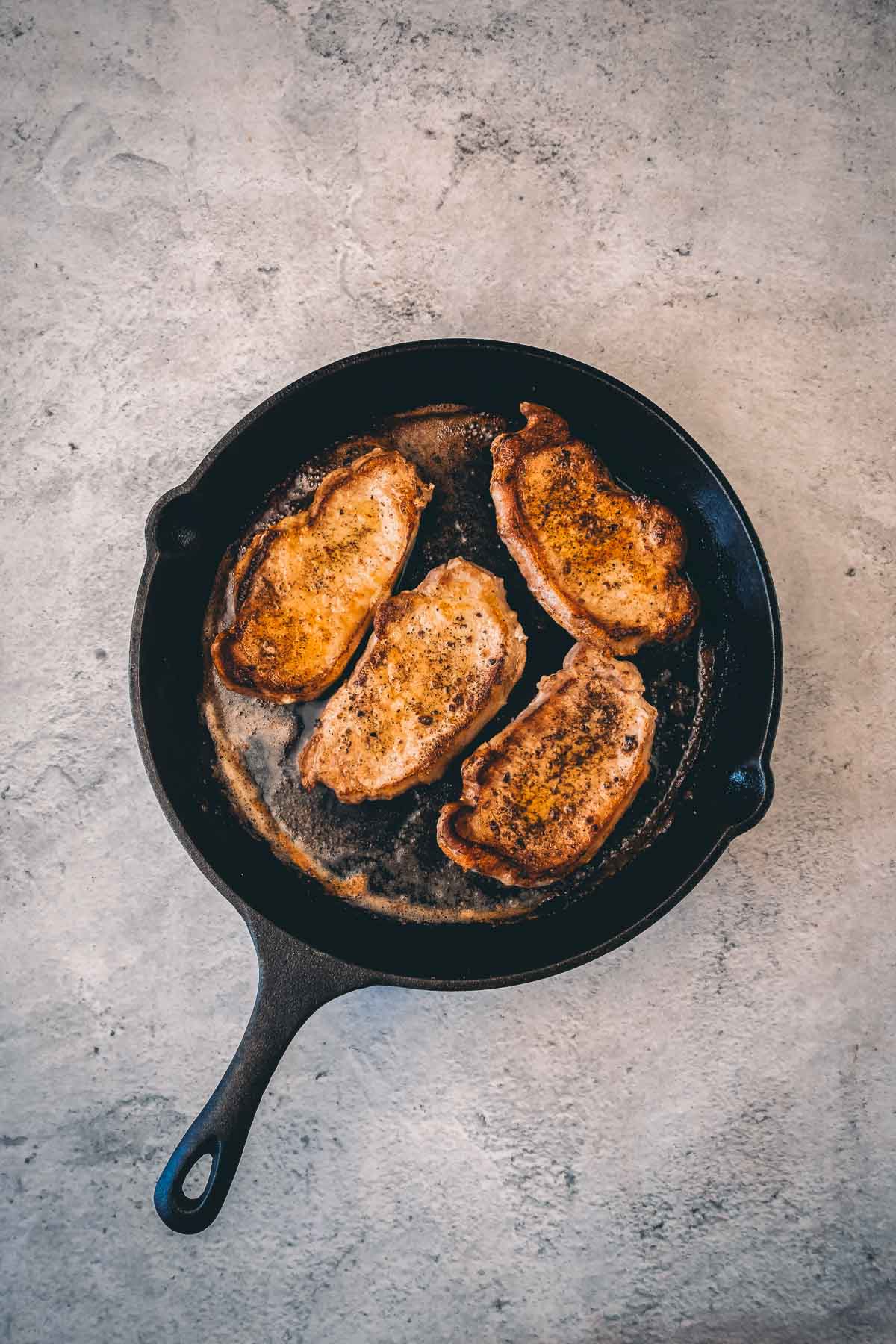
Chops around an inch thick want a hot pan or a hot grill, a hard sear on both sides, and a thermometer check early and often. Double cut chops, an inch and a half and up, do better with a reverse sear: start them in a low oven or on the cool side of the grill until they are in the low 130s, then finish over high heat for the crust. The inside cooks evenly and you are not chasing a burnt outside to get the center done.
📜 Why so many recipes still say 160°F
If your family recipe card says to cook pork to 160°F, it was right when it was written. That was USDA’s number for pork for years. In May 2011 the agency lowered it to 145°F with a three minute rest for whole cuts, and added the same rest to beef, veal, and lamb.
The change only applies to whole cuts. Ground pork still needs to hit 160°F, so sausage patties and meatballs stay on the old number. Plenty of cookbooks and old blog posts never got the update, which is a big reason a whole generation learned to cook chops until they were dry.
✅ How to cook a juicy pork chop
- Buy bone-in chops at least an inch thick. Rib or blade chops give you the most margin.
- Salt them with kosher salt at least an hour ahead and leave them uncovered in the fridge.
- Pat them dry right before cooking so the surface browns instead of steams.
- Sear hot for chops around an inch thick. Reverse sear anything thicker.
- Start checking the temperature early. Pull at 145°F in the thickest part.
- Rest three minutes, then slice and eat while it is hot.
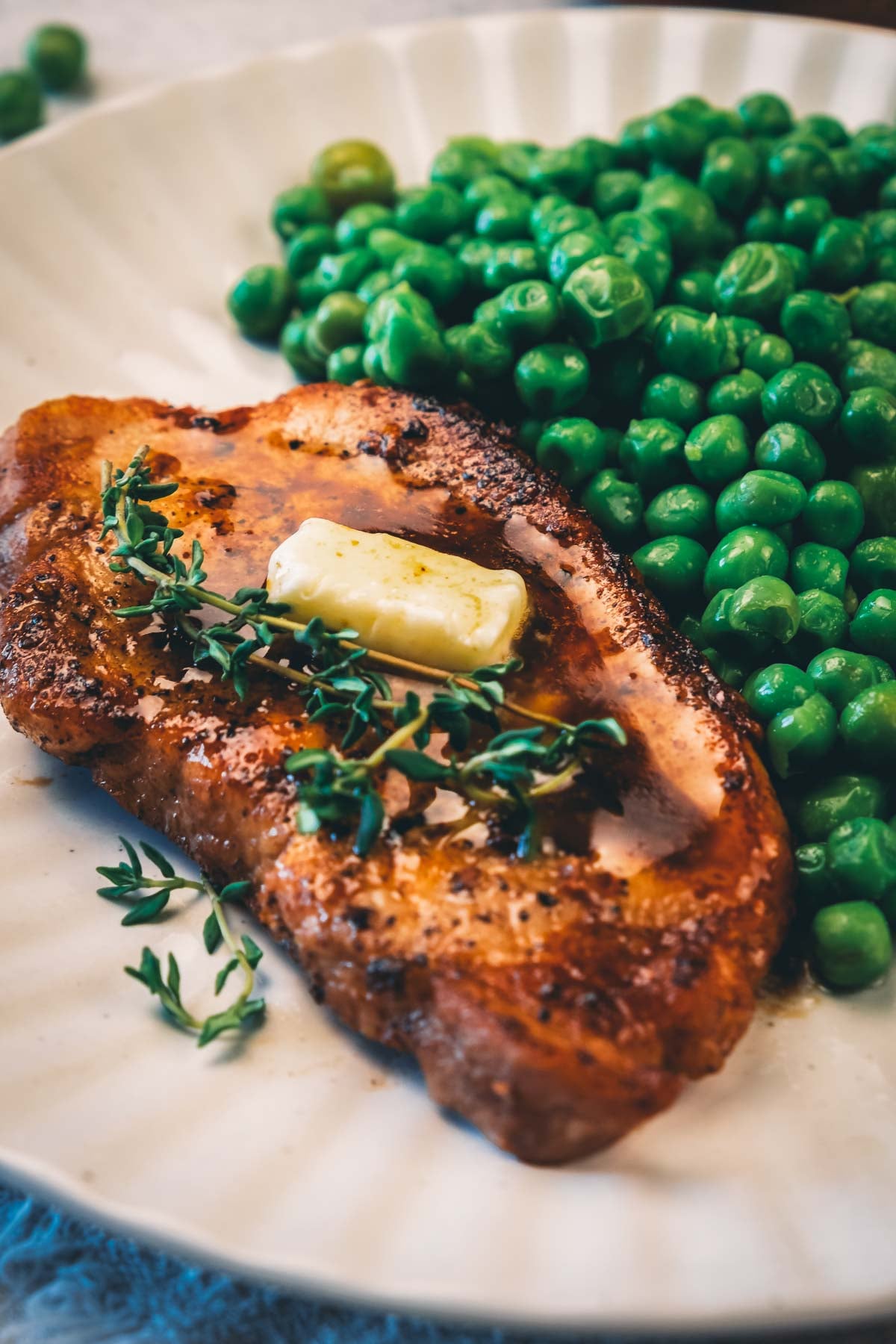
Want the full method on a specific setup? Our double cut cast iron pork chops walk through the thick chop in a skillet start to finish.
🥩 Meat Nerd Tips
- Probe from the side. Slide the thermometer in horizontally through the edge of the chop so the tip sits dead center, not touching bone.
- Shoulder chops play by different rules. All that connective tissue softens if you take blade chops a little past 145°F, so they stay juicy where a loin chop would go dry.
- Score the fat cap. A few shallow cuts through the fat on the edge keep the chop from curling in the pan and give you more crust.
- Sauce does not rescue a dry chop. A pan sauce adds flavor, but it cannot put water back into overcooked meat. Get the temperature right first.
Quick Summary
Dry pork chops come from overshooting 145°F, buying chops that are too lean or too thin, skipping salt, and using the wrong heat for the thickness. Buy thick, bone-in chops, dry brine them, sear or reverse sear to match the cut, pull at 145°F and rest three minutes.
❓ FAQs
Yes, as long as it reached 145°F in the thickest part and rested for three minutes. A blush of pink at that temperature is normal, so trust the thermometer reading over the color.
Bone-in chops are more forgiving. The bone slows the cooking around it and the cuts that come bone-in, like rib and blade chops, usually carry more fat than a boneless loin chop.
You cannot make it juicy again, but you can make it good. Slice it thin against the grain and toss it in a warm sauce, or chop it for fried rice, tacos, or a sandwich where the other ingredients carry the moisture.
Ground pork still needs to reach 160°F. The 145°F guideline only covers whole cuts like chops, roasts, and tenderloin.
📚 Keep reading
- How to sear meat, the crust technique behind every good chop
- Grilled pork chops, the same rules over live fire
- Pork loin recipes, every chop, roast and tenderloin on GC
Hungry for more? Subscribe to our newsletter and become part of the world’s best meat community! From grilling tips to smoky secrets, we send you the best recipes, guides, and expert advice to master every cut.