Everyone drools over lobster mac and cheese at restaurants, but almost nobody makes it at home — which is wild when you realize it’s just mac and cheese with some boujie lobster thrown in.
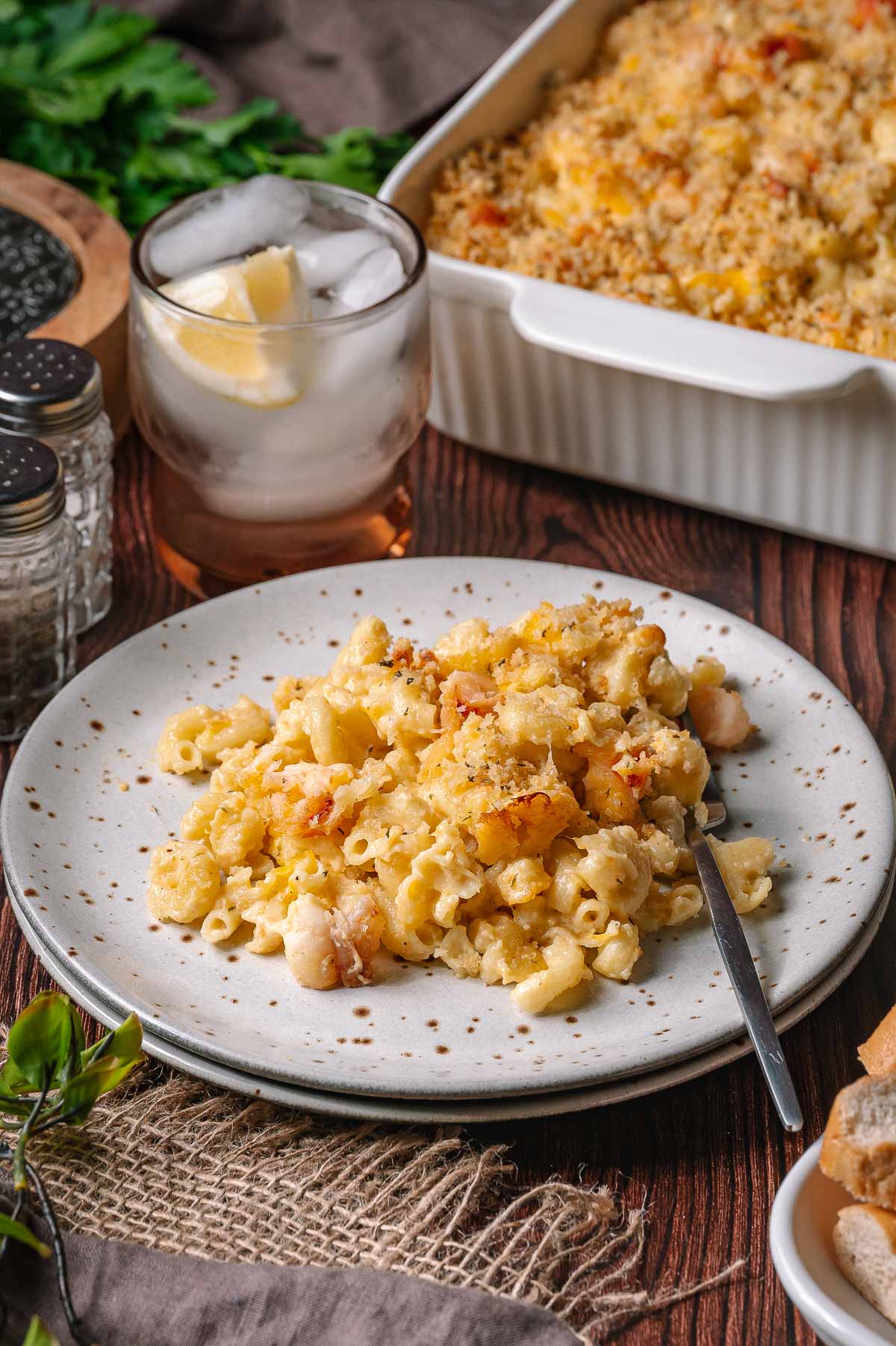
The hesitation makes sense. Lobster is expensive, cheese sauce can turn greasy or grainy fast, and most recipes act like none of that matters. You want that rich, restaurant-level payoff at home — not a pan of broken cheese and rubbery seafood that costs way too much to mess up.
This recipe is built to remove that risk. The cheesy mix has a job, the seasoning actually complements the lobster, and the lobster is layered into the pasta instead of dumped on top, so every bite delivers. If you’re cooking lobster at home for the first time, it helps to understand the different cuts and textures before you start — especially claw vs. tail meat. The steps are simple, the timing is forgiving, and the result is exactly what you’re hoping for when you decide to splurge.
We’ve cooked enough lobster and broken enough cheese sauces over the years to know exactly where things go wrong — and how to keep this one creamy, balanced, and worth every bite.
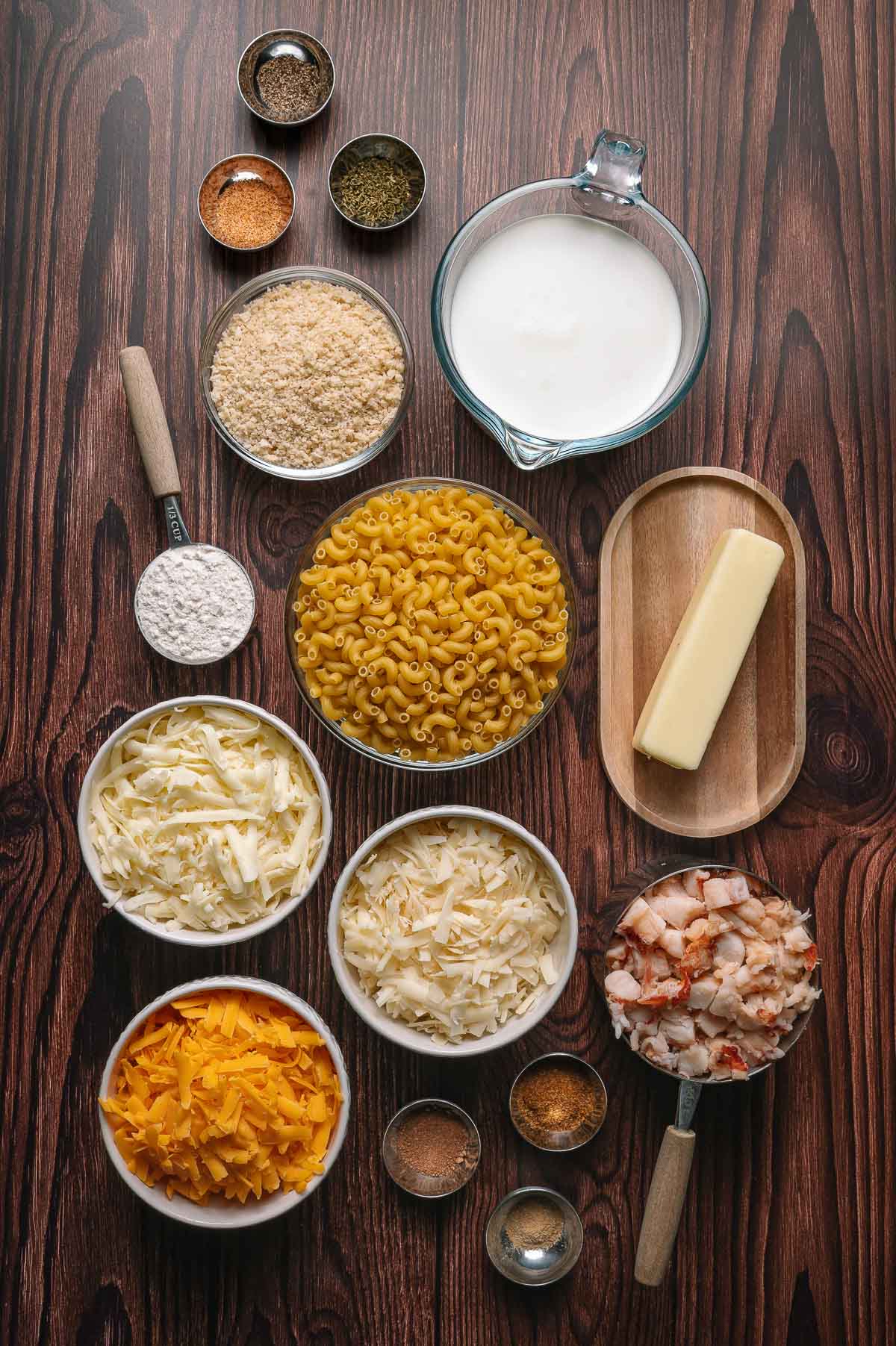
🔪 Ingredients for Lobster Mac and Cheese
Pasta & Sauce Base
- Short pasta with ridges – Elbows, cavatappi, shells, or small rigatoni all work; ridges help the sauce cling.
- Salted butter – Builds flavor in the roux from the start.
- All-purpose flour – Thickens the sauce without heaviness when cooked properly.
- Half and half – Rich but still pourable; warm it first to prevent lumps.
- Mustard powder – Adds depth without making the sauce taste like mustard.
- Old Bay seasoning – Brings classic seafood warmth.
- Creole seasoning – Adds savory backbone; adjust based on salt level.
- Ground nutmeg – Just enough to round out the cheese.
- Black pepper – Cuts the richness.
Cheese Blend
- Sharp cheddar – Primary flavor; use extra-sharp for more bite.
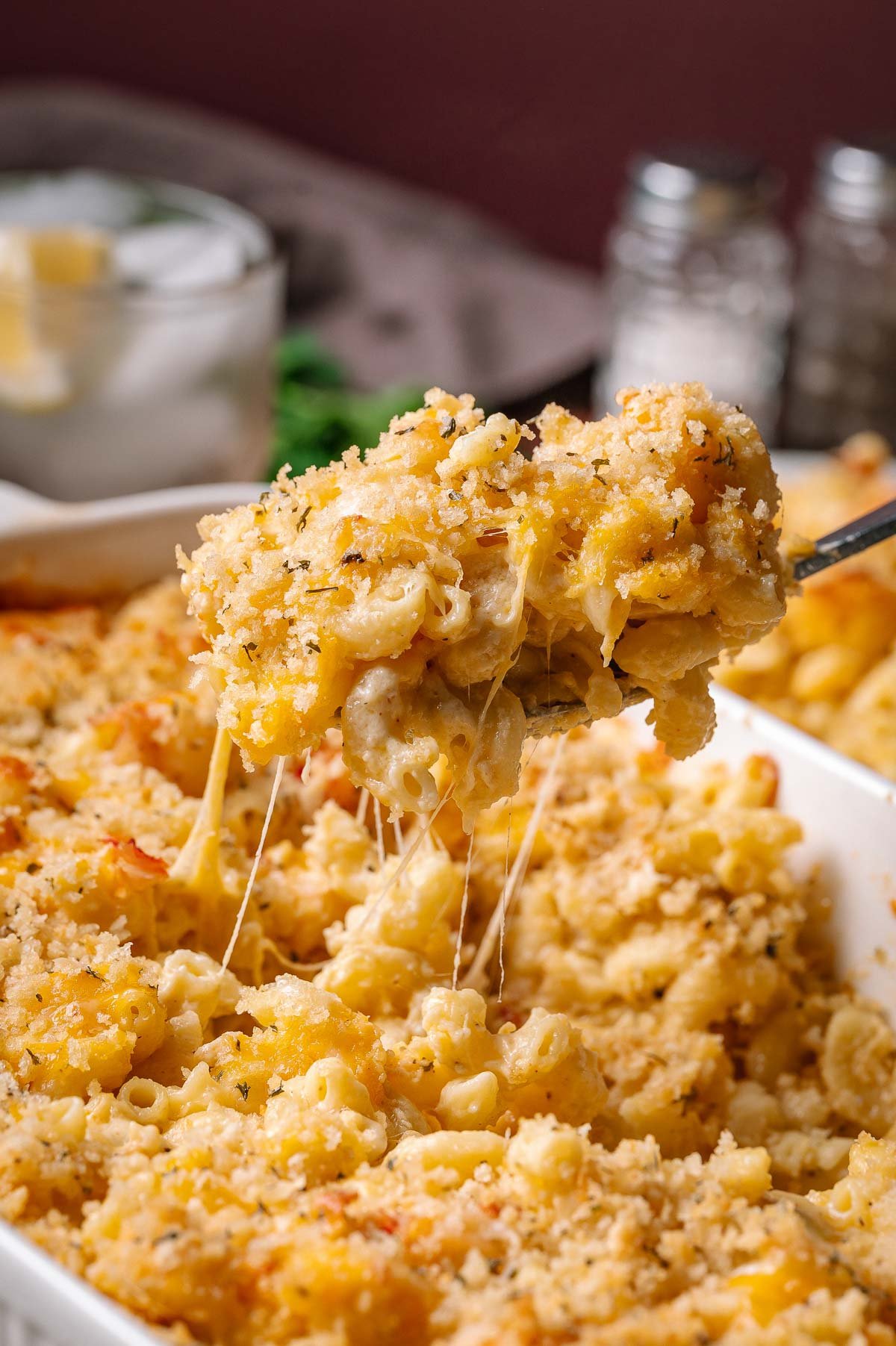
- Monterey Jack – Keeps the sauce creamy and stretchy.
- Gruyere – Adds nutty depth and helps the sauce stay silky.
Swiss or fontina work if needed.
Seafood
- Cooked lobster meat – Claw and knuckle meat stay the most tender; cut into bite-sized pieces.
Shrimp or crab can replace part or all of the lobster.
Topping
- Panko breadcrumbs – Light crunch without weighing down the dish.
- Melted butter – Ensures even browning.
- Dried parsley (optional) – Purely visual, skip if you want.
📝 How to Make Lobster Mac and Cheese (Step-by-Step)
- Cook pasta until just shy of al dente and set aside.
- Build a butter–flour roux until smooth and lightly cooked.
- Slowly whisk in warm half and half until thick enough to coat a spoon.
- Season the sauce and remove from the heat.
- Stir in two-thirds of the cheese until melted and smooth.
- Fold in pasta, loosening with hot water if needed.
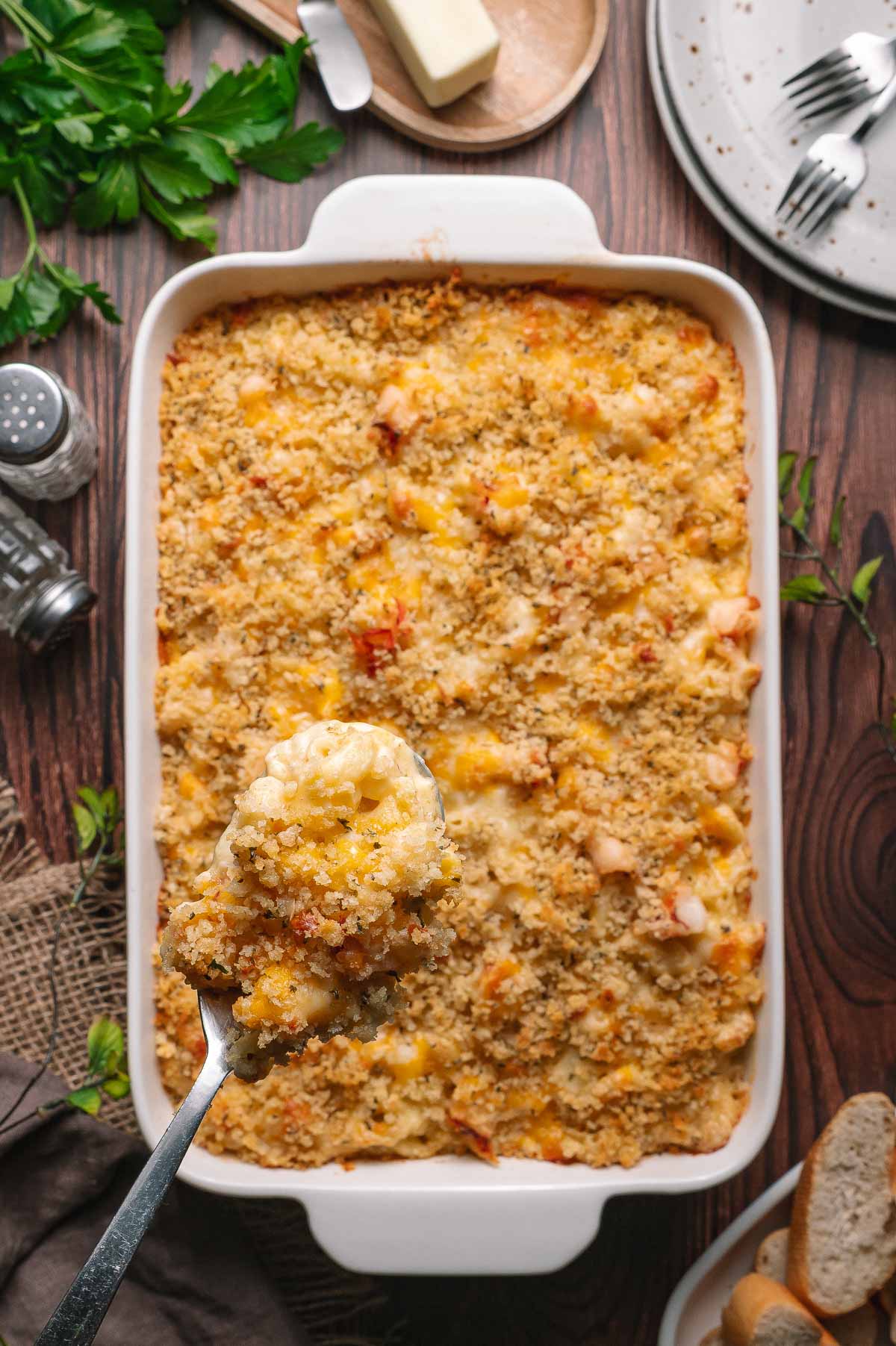
- Layer pasta, lobster, and reserved cheese.
- Finish with buttered panko.
- Bake until bubbling and deeply golden.
- Rest before serving so the sauce settles.
🔄 Substitutions & Variations
- Pasta: Use any ridged, short-cut pasta that traps sauce.
- Cheese swaps:
- Cheddar → mild, medium, or extra-sharp based on preference
- Monterey Jack → mozzarella or provolone
- Gruyere → Swiss or fontina
- Seafood swaps: Shrimp or crab work well for part or all of the lobster.
- Lighter version: Use part half-and-half and part milk, but expect a looser sauce.
💡 Meat Nerd Tips
- Cook pasta just under al dente. It finishes cooking in the sauce and oven.
- Warm the half and half first. Cold dairy causes lumps.
- Add cheese off heat. Boiling after the cheese is added results in a grainy sauce.
- Shred cheese from blocks. Pre-shredded cheese contains starches that affect the melt.
- If the sauce is too thick: loosen with warm half and half, milk, or hot water — slowly.
- If the topping browns too fast: tent loosely with foil.
- Use claw and knuckle lobster meat when possible. They stay tender longer than tail meat.
- Chill freshly cooked lobster before adding. Warm lobster breaks apart in the sauce.
- Rest before serving. Ten minutes allows the sauce to thicken and keeps the plate from flooding.
🍽️ How to Serve Lobster Mac and Cheese
- As a main dish: Serve generous portions with a crisp green salad dressed in lemon vinaigrette to cut the richness.
- As a side: Pair with grilled steak, roast chicken, or seared scallops for a surf-and-turf spread that actually makes sense.
- For holidays or dinner parties: Spoon into individual ramekins for cleaner portions and better topping coverage.
🧊 Storage & Make-Ahead Tip
- For make-ahead: assemble without the topping, refrigerate for up to 24 hours, then add the topping and bake.
- Refrigerate leftovers up to 3 days.
- Reheat in a saucepan over low heat, covered, with a splash of half-and-half.
Have you tried this recipe? Do us a favor and rate the recipe card with the ⭐ ⭐ ⭐ ⭐ ⭐ and drop a comment to help out the next reader.
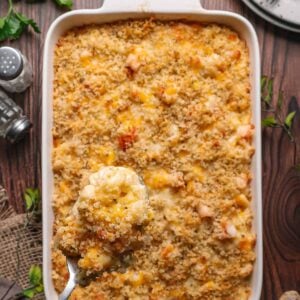
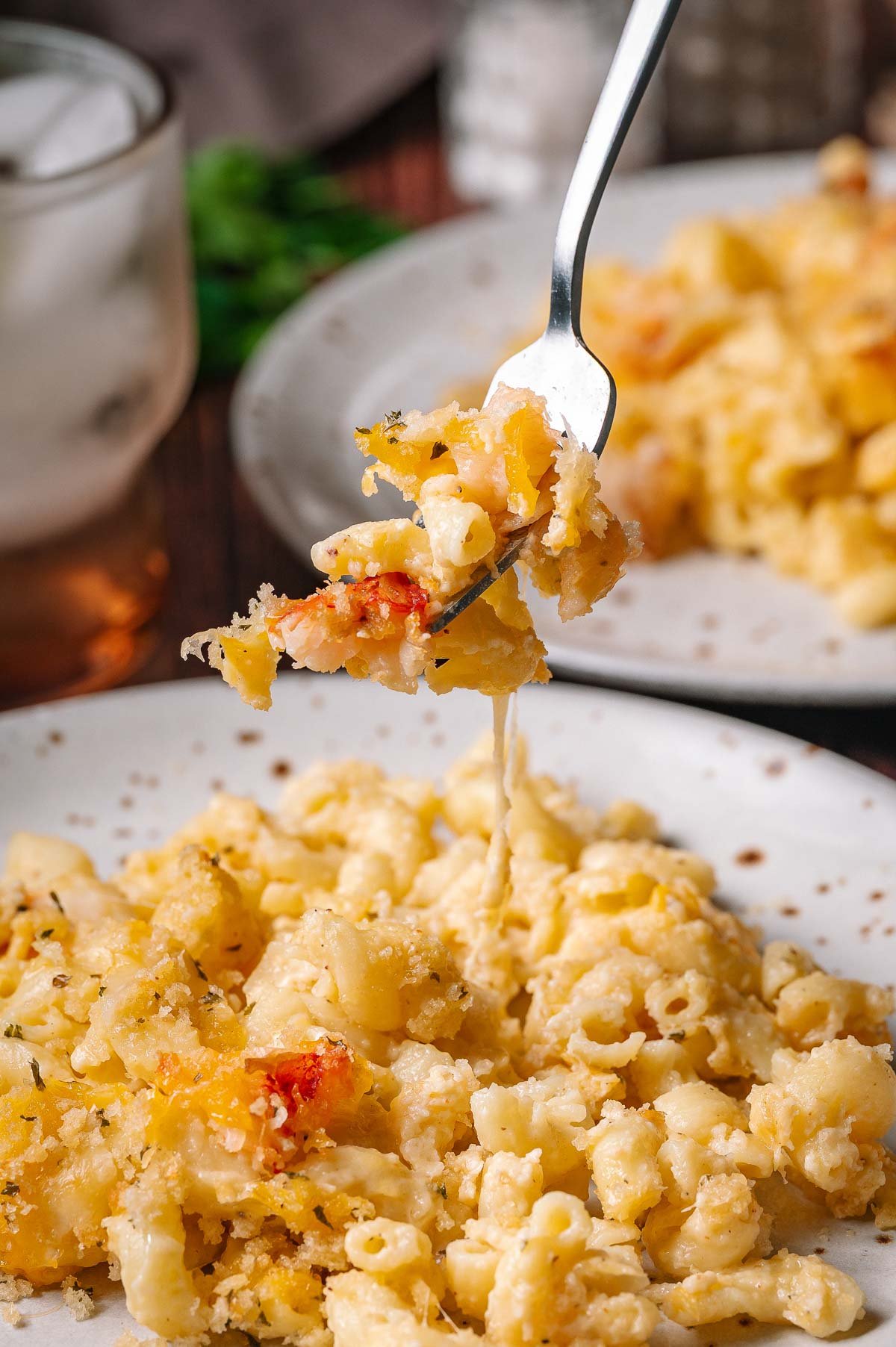
This lobster mac and cheese is rich, creamy, and made to show off the lobster instead of burying it. A smooth three-cheese sauce, pasta that still has structure, and a crisp baked topping make this a recipe that feels special without being fussy. If you’re going to splurge on lobster, this is the mac and cheese you want to make to justify it.
Lobster Mac and Cheese Recipe
Recommended Equipment
- Large pot
- Whisk
- 9×13-inch baking dish
- Cheese grater
- Mixing Bowls
- Measuring cups
- Measuring spoons
- Rubber spatula or wooden spoon
- Microplane
- Ramekins
Ingredients
For the mac and cheese sauce
- 1 pound elbow macaroni or cavatappi pasta
- 6 tablespoons salted butter
- ⅓ cup all purpose flour
- 3½ cups half and half
- 1 teaspoon mustard powder
- 1 teaspoon Old Bay seasoning
- 1 teaspoon Creole seasoning
- ¼ teaspoon ground nutmeg
- ½ teaspoon black pepper
- 8 ounces sharp cheddar cheese shredded
- 8 ounces Monterey Jack cheese shredded
- 8 ounces Gruyere shredded
- 2 cups cooked lobster meat chopped into bite size pieces
For the topping
- ¾ cup panko breadcrumbs
- 2 tablespoons salted butter melted
- 1 teaspoon dried parsley optional
Instructions
Preheat the oven
- Preheat the oven to 375°F.
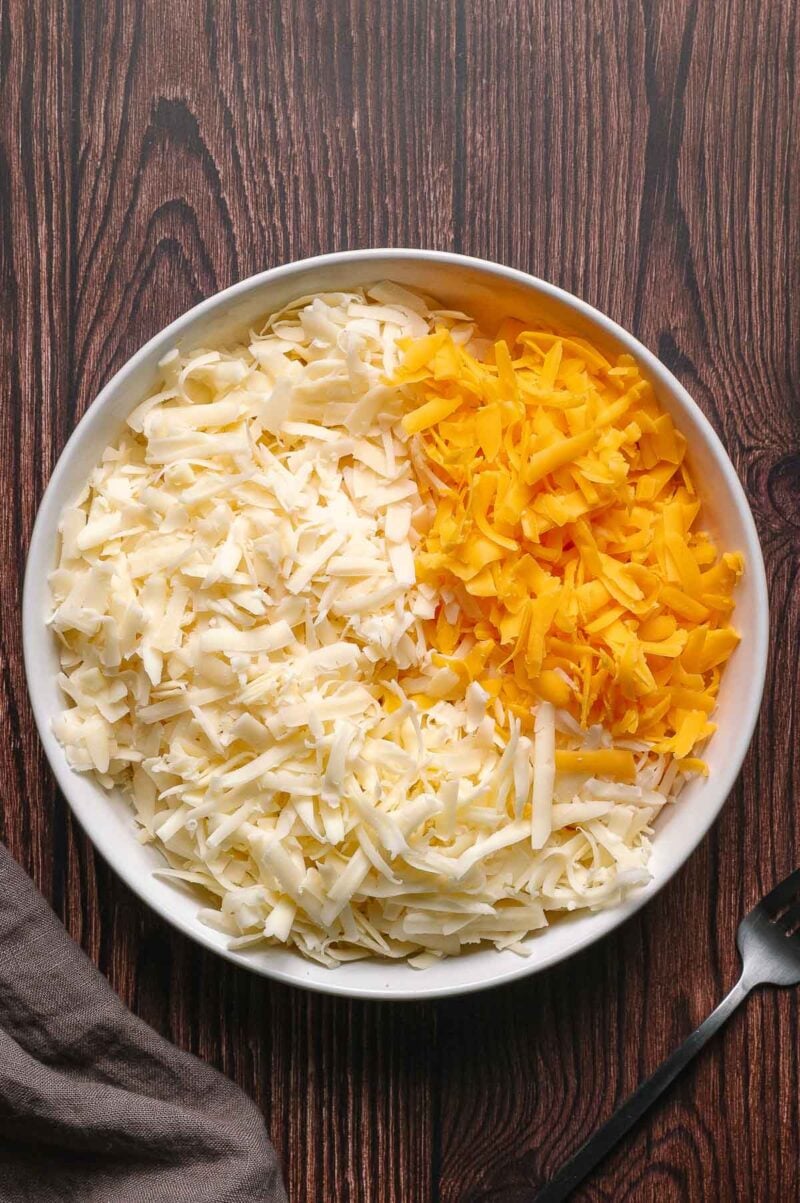
- Combine the cheddar, Monterey Jack, and Gruyere in a mixing bowl. Toss the cheeses together and set the bowl aside.

Boil the pasta
- Bring a large pot of well salted water to a boil and cook the pasta until right before it’s al dente, following the package time as a guide. Drain the pasta and set it aside.
Make the roux
- Melt the butter in the same pot over medium heat. Sprinkle in the flour and whisk until the mixture looks smooth. Cook while whisking for 1 to 2 minutes.
- Pour in the half and half in a slow stream while whisking. Keep whisking until the sauce looks smooth with no lumps. Cook for 4 to 6 minutes, stirring often, until the sauce gently bubbles and thickens enough to coat the back of a spoon.
Make the cheese sauce
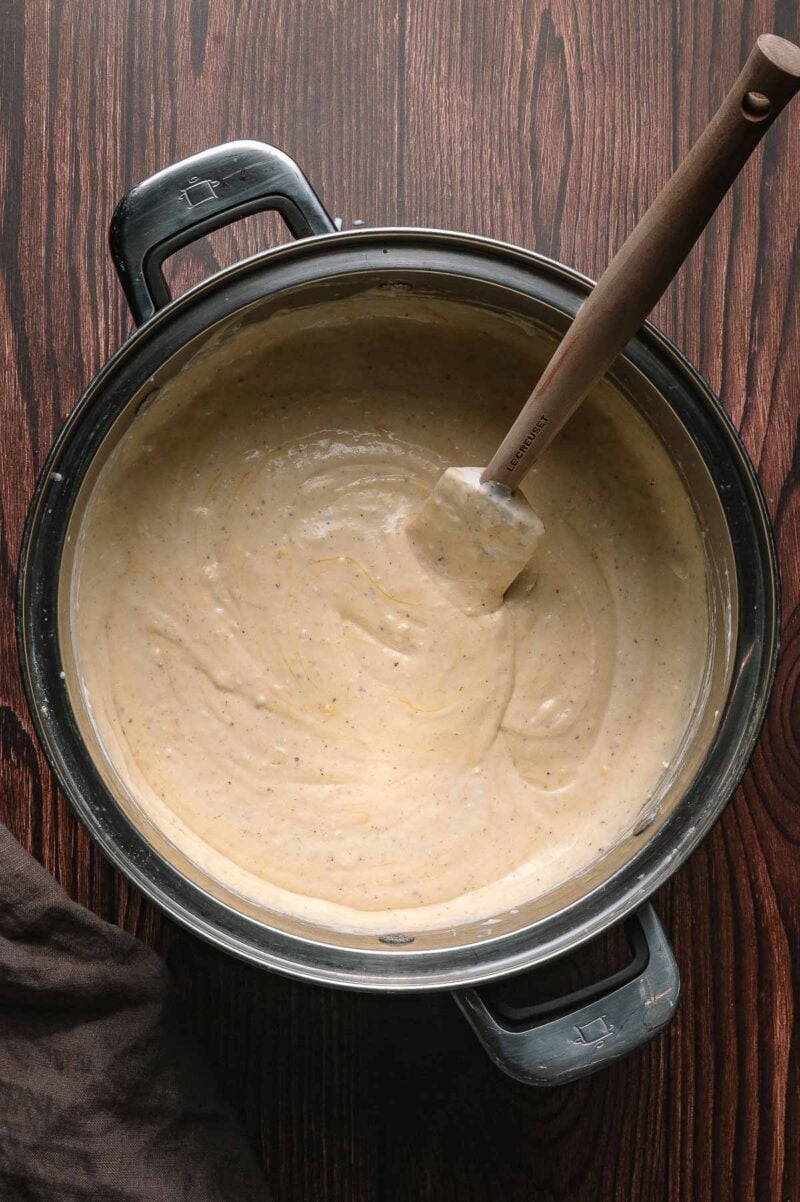
- Stir in the mustard powder, Old Bay, Creole seasoning, nutmeg, and black pepper. Taste the sauce and adjust the seasoning if needed.
- Remove the pot from the heat and stir about two thirds of the mixed cheeses into the hot sauce until the cheese melts. Reserve the remaining cheese mixture for layering.

Combine and assemble the lobster mac and cheese
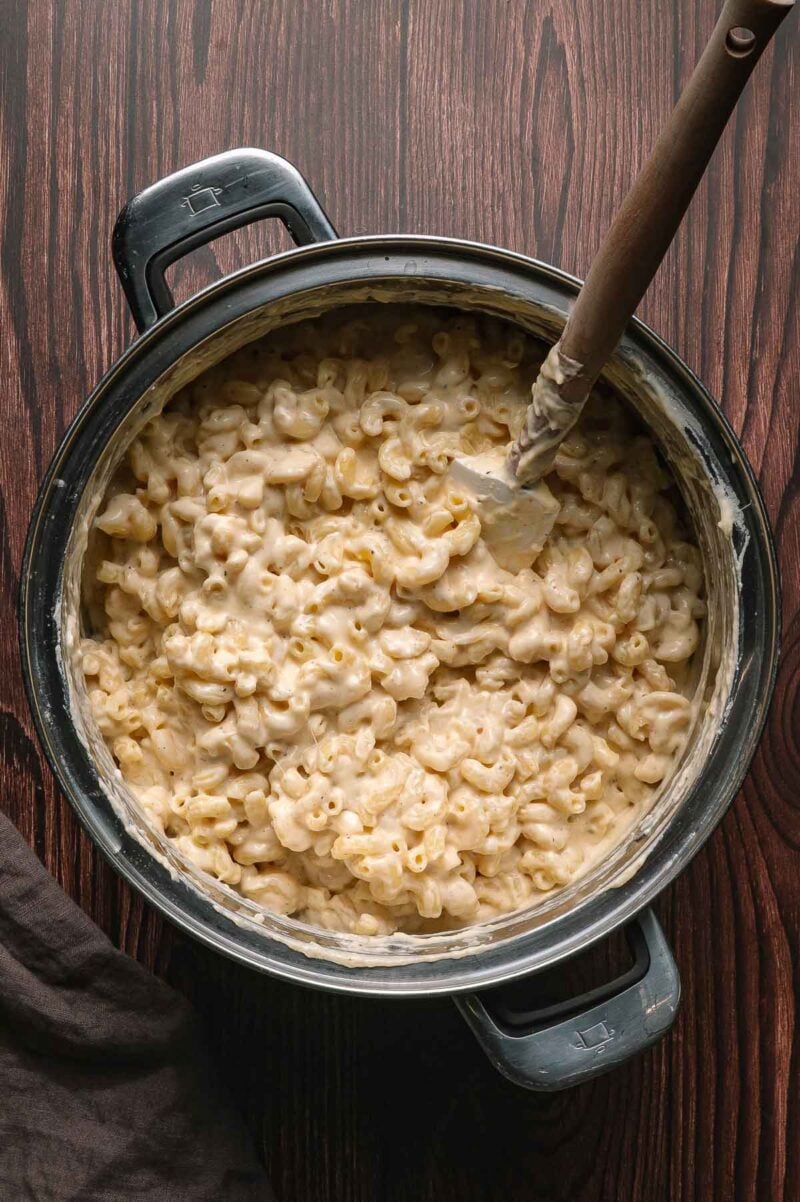
- Fold the pasta into the cheese sauce until coated. If the sauce feels too thick, stir in a small splash of hot tap water or reserved pasta water until it loosens slightly.
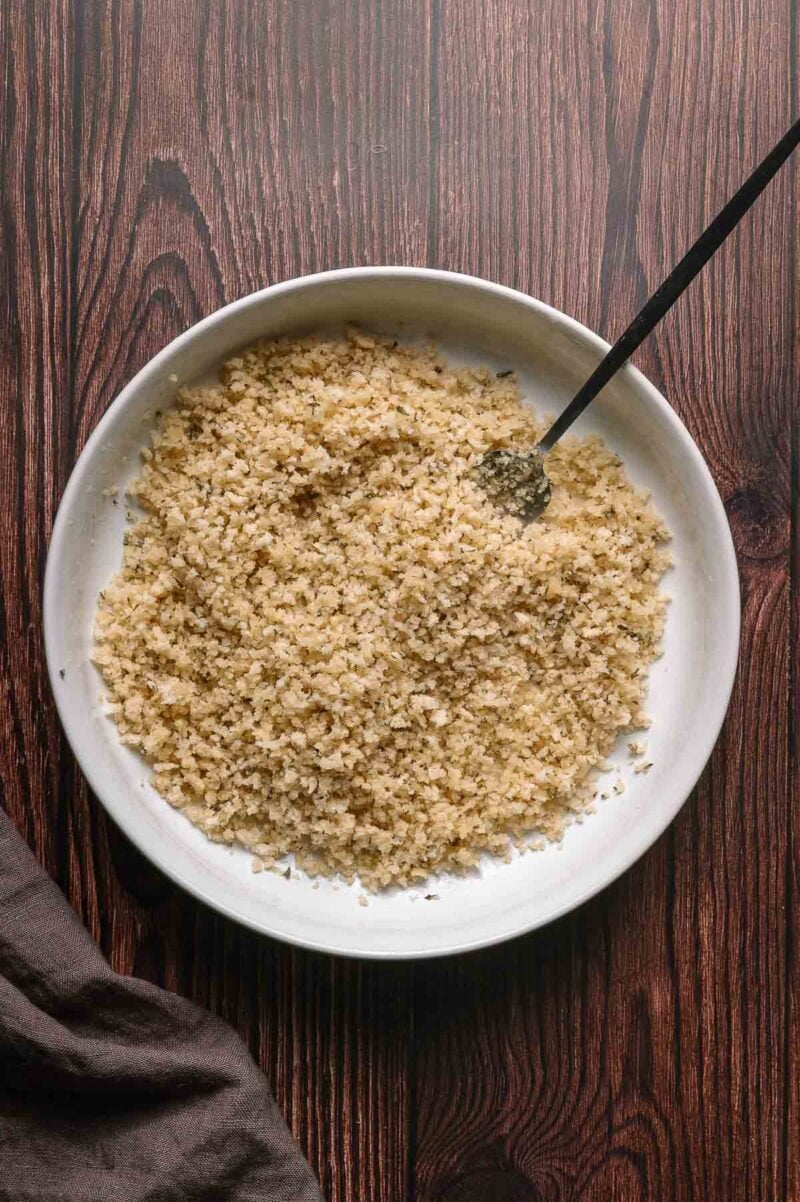
- Stir together the panko, melted butter, and dried parsley in a clean mixing bowl until the crumbs look evenly moistened.
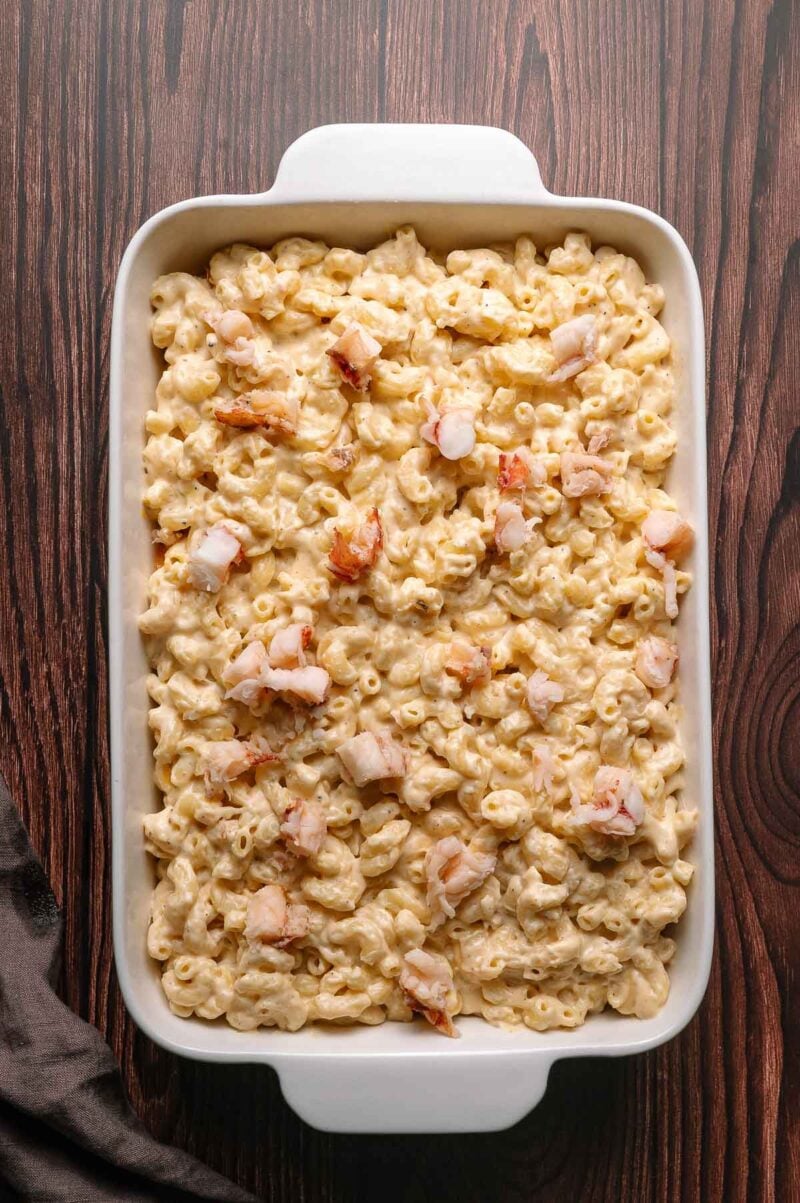
- Spread half of the pasta and cheese sauce mixture in an even layer in the baking dish. Scatter half of the lobster over this layer, then sprinkle half of the reserved shredded cheese mixture on top.
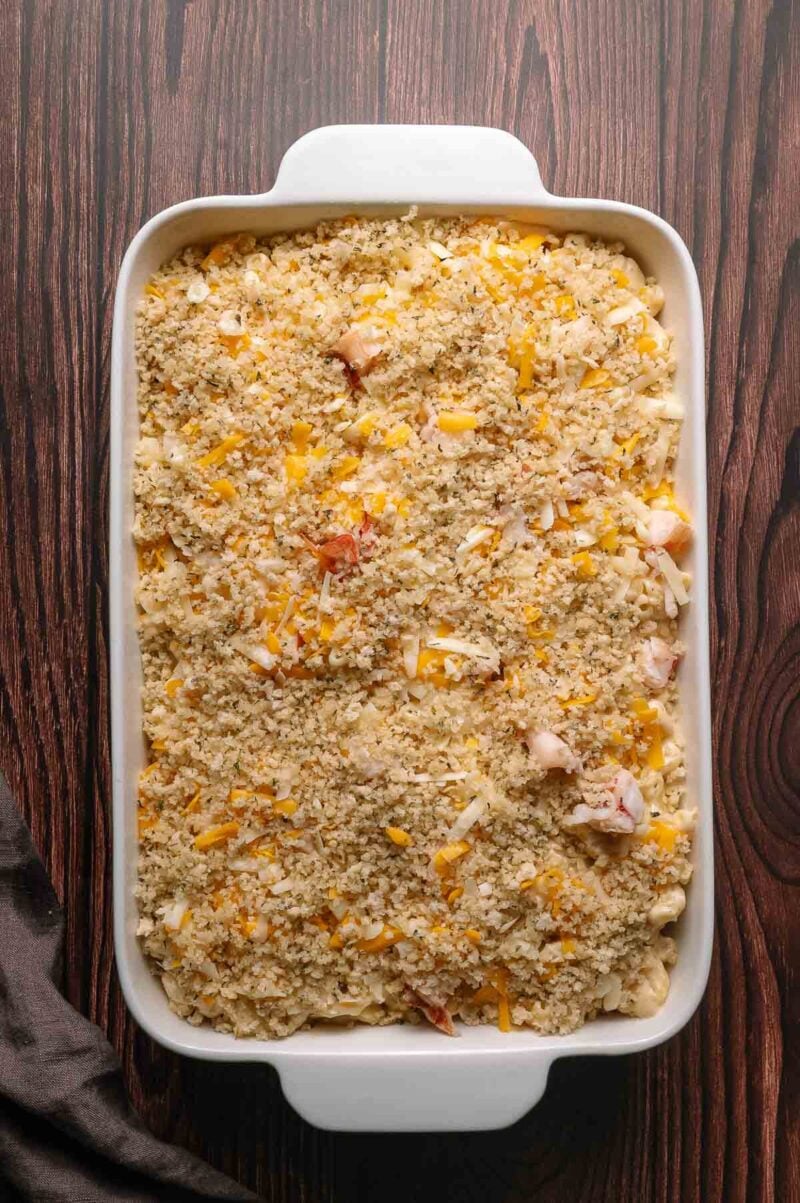
- Add the remaining pasta and sauce on top. Scatter the rest of the lobster and remaining reserved shredded cheese. Cover the surface with the panko mixture.
Bake the lobster mac and cheese
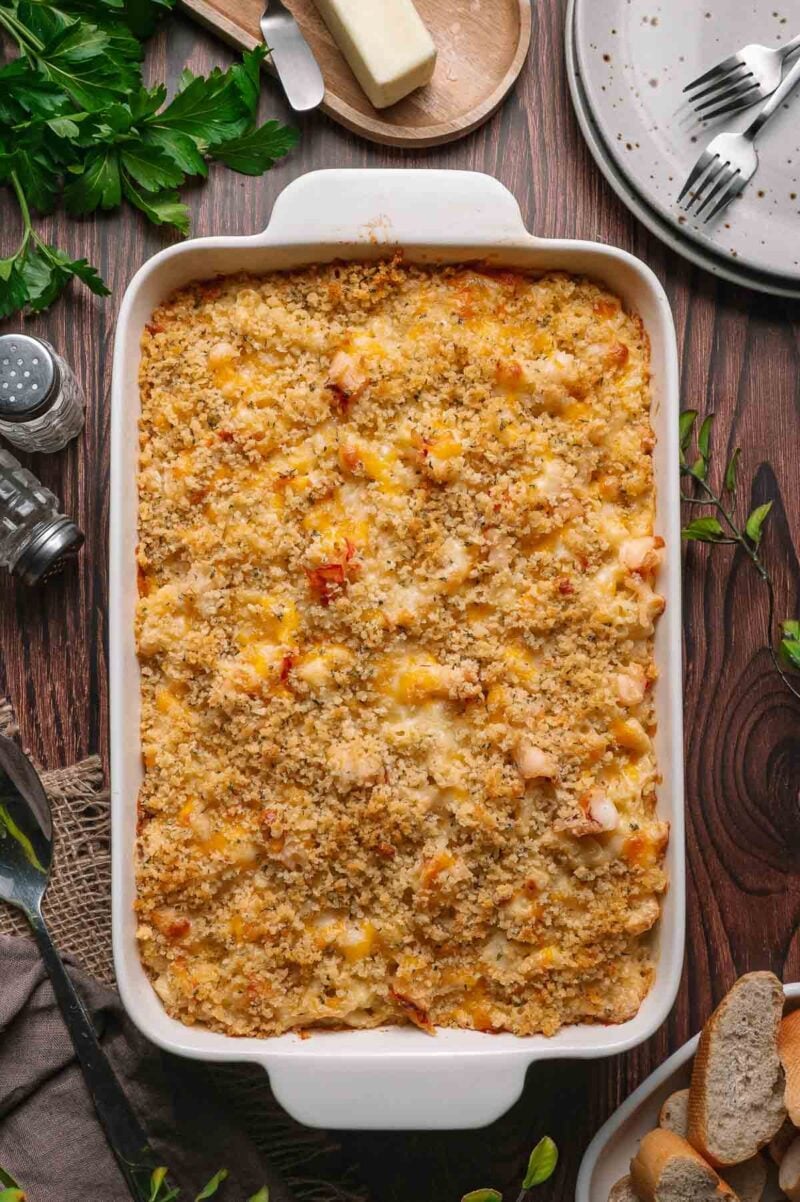
- Bake at 375°F for 20 to 25 minutes, or until the sauce bubbles at the edges and the topping looks crisp and deep golden.
- Let rest for at least 10 minutes before serving.
Notes
- Use different pasta shapes like cavatappi, shells, or small rigatoni if you do not have elbows. Choose shapes with ridges so the sauce and cheese cling well between layers.
- Adjust the cheese mix to your personal taste, while keeping the role of each cheese in mind.
- Sharp cheddar gives the sauce its main tangy flavor. For a milder flavor, you can use mild or medium cheddar. For a stronger bite, you can use extra-sharp cheddar or increase the cheddar and reduce the other cheeses.
- Monterey Jack melts very smoothly, softening the sharp cheddar flavor. It adds stretch and a creamy pull to the sauce and the layers. You can replace Monterey Jack, mozzarella, or provolone with whatever you have.
- Gruyere brings some nutty flavor and keeps the sauce silky. It supports the melt and adds a rich background note in both the sauce and the layered cheese. You can use Swiss cheese or fontina if you prefer.
- Swap the lobster for other seafood, such as cooked shrimp or crab or do a medley of all three.
- Prevent grainy sauce by keeping the heat at low or totally off when you add the cheese. Stir until the cheese melts and do not boil the sauce after the cheese goes in.
- Avoid gluey or mushy pasta by cooking it only until just shy of al dente. Remember that it will keep cooking in the hot sauce and again in the oven.
- Fix a sauce that feels too thick by stirring in a bit of warm half-and-half, milk, or hot water. Add the liquid slowly and stop when the sauce looks pourable but still rich enough to cling to the pasta.
- Watch the topping during baking. If the crumbs brown too quickly while the center is still pale and not bubbly at the edges, cover the dish loosely with foil for the remaining time.
- Shred your own cheese from blocks instead of using pre-shredded cheese. Packaged shreds often contain starches that can make the sauce less smooth and the layers less melty.
- Let the half-and-half lose its chill before you start the sauce. Warm dairy blends into the roux more easily and helps prevent lumps.
Nutrition
Bookmark this recipe now!
❓ FAQs: Lobster Mac and Cheese
Add cooked lobster during layering, not directly into the hot sauce. This keeps it tender and prevents overcooking.
The sauce was too hot when the cheese was added. Always remove the pot from the heat before stirring in cheese, and never boil after.
Yes. Thaw fully and pat dry to remove excess moisture so the sauce stays thick.
Yes. Assemble up to 24 hours in advance without the breadcrumb topping. Add the topping right before baking.
Stir in warm half and half, milk, or hot water a little at a time until the sauce loosens but still coats the pasta.
Short pasta with ridges like cavatappi, shells, or elbows holds sauce best and keeps the dish balanced.